
Cami Koons

Posts 5 Comments 0

Which bills survived or died in Iowa legislature's first "funnel" of 2026

Robin Opsahl, Brooklyn Draisey, and Cami Koons collaborated on this article, which was first published by Iowa Capital Dispatch. Clark Kauffman and Kathie Obradovich also contributed to this story

Iowa lawmakers took on hundreds of bills in the first six weeks of the 2026 legislative session, though several measures named as top priorities heading into the year, like eminent domain and property taxes, have yet to find consensus.

February 19 was the last day lawmakers met to consider legislation before the first “funnel” deadline of the year. While there are many exceptions, most bills that don’t involve spending, taxes or government oversight must pass through a committee in either the House or Senate in order to stay eligible for consideration.

Continue Reading...
Iowa House advances bill making it harder to list impaired waters

Cami Koons covers agriculture and the environment for Iowa Capital Dispatch, where this article first appeared.

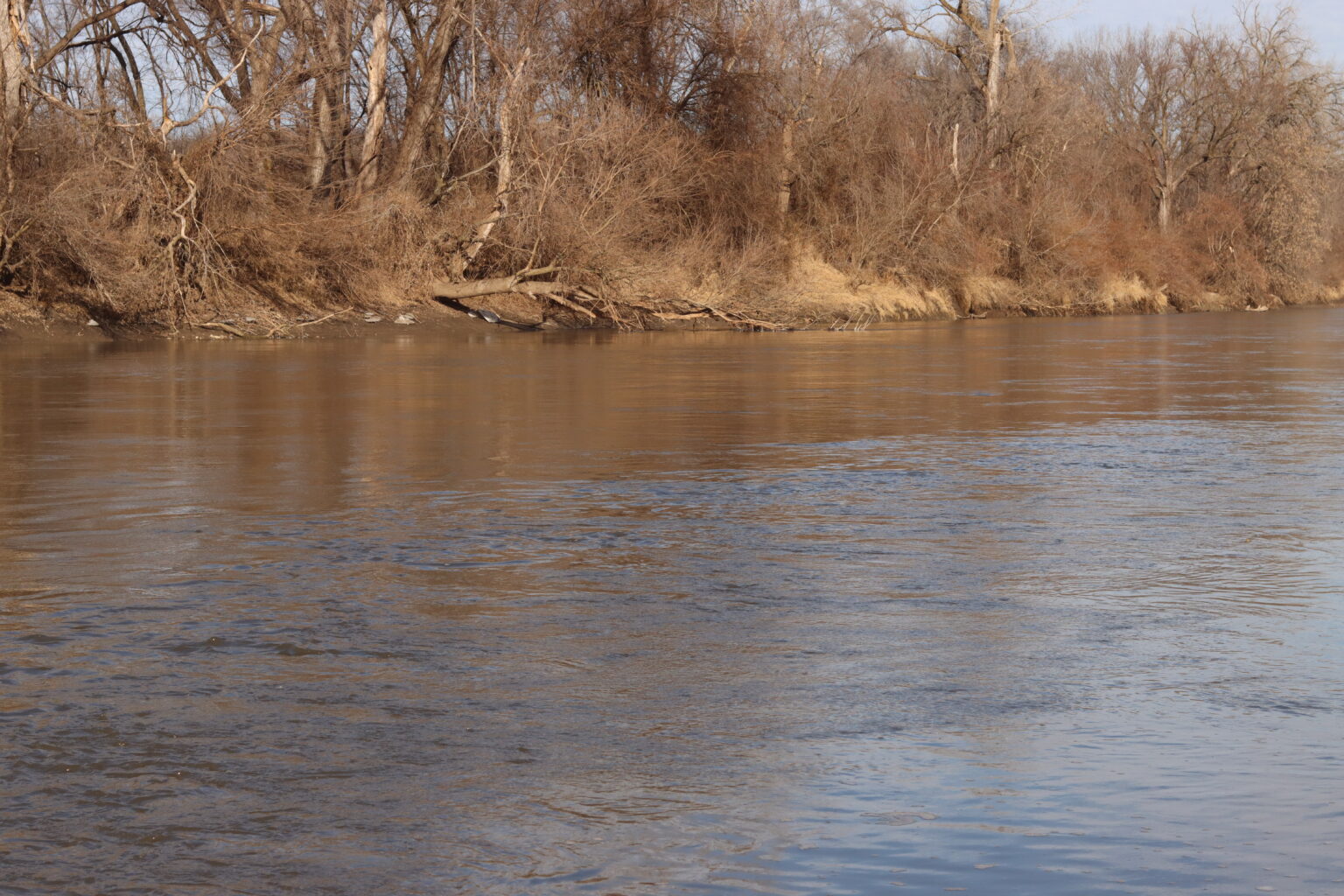
A bill that advanced in an Iowa House subcommittee and committee on February 10 would prohibit a water segment from being designated as impaired unless the Iowa Department of Natural Resources identified the percentage of fecal bacteria coming from each animal species that contributed to its impairment.

Every two years, the DNR must submit a list to the U.S. Environmental Protection Agency of water segments in the state that are “impaired” or don’t meet water quality standards. 

Once listed, DNR and the EPA work to develop an improvement plan that puts limitations on the amount of pollutants that identified polluters can discharge into the surface water segments. 

Continue Reading...

Hundreds gather for presentation on Polk County water quality report

Cami Koons covers agriculture and the environment for Iowa Capital Dispatch, where this article first appeared.

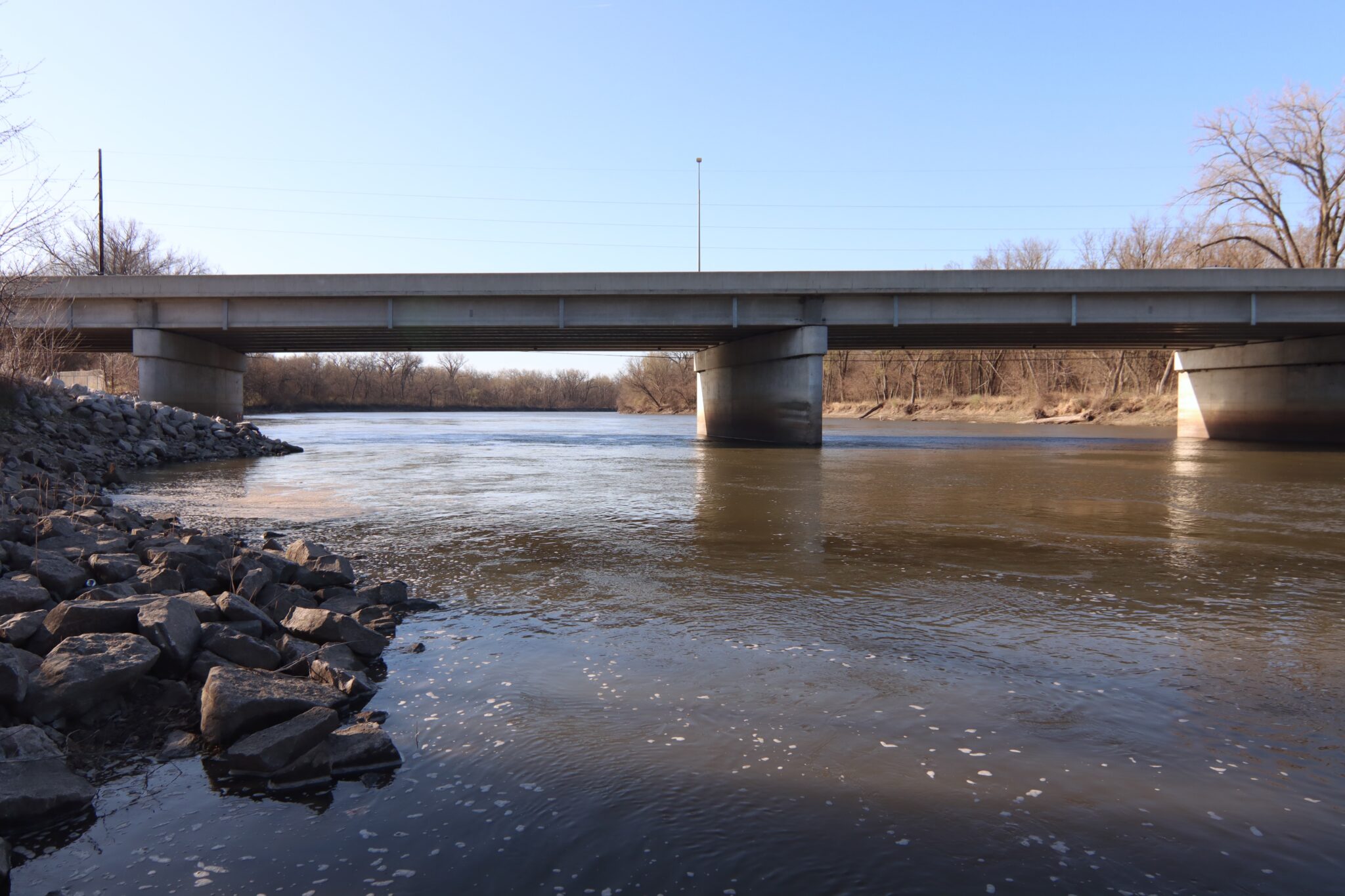
More than 500 individuals gathered in Des Moines on August 4 to hear what comes next following the release of an in-depth water quality report commissioned by Polk County. 

Another 500 watched online, to hear years worth of research on water pollutants and key steps forward at the individual, watershed and state levels. 

One speaker said it was the first step in an effort to keep the report from just “sitting on a shelf.”

“They spent over 4,000 hours on research and compiling data,” former Polk County administrator John Norris said. “Their work now empowers us as citizens and voters to demand action be taken to make our waters safe.” 

Continue Reading...

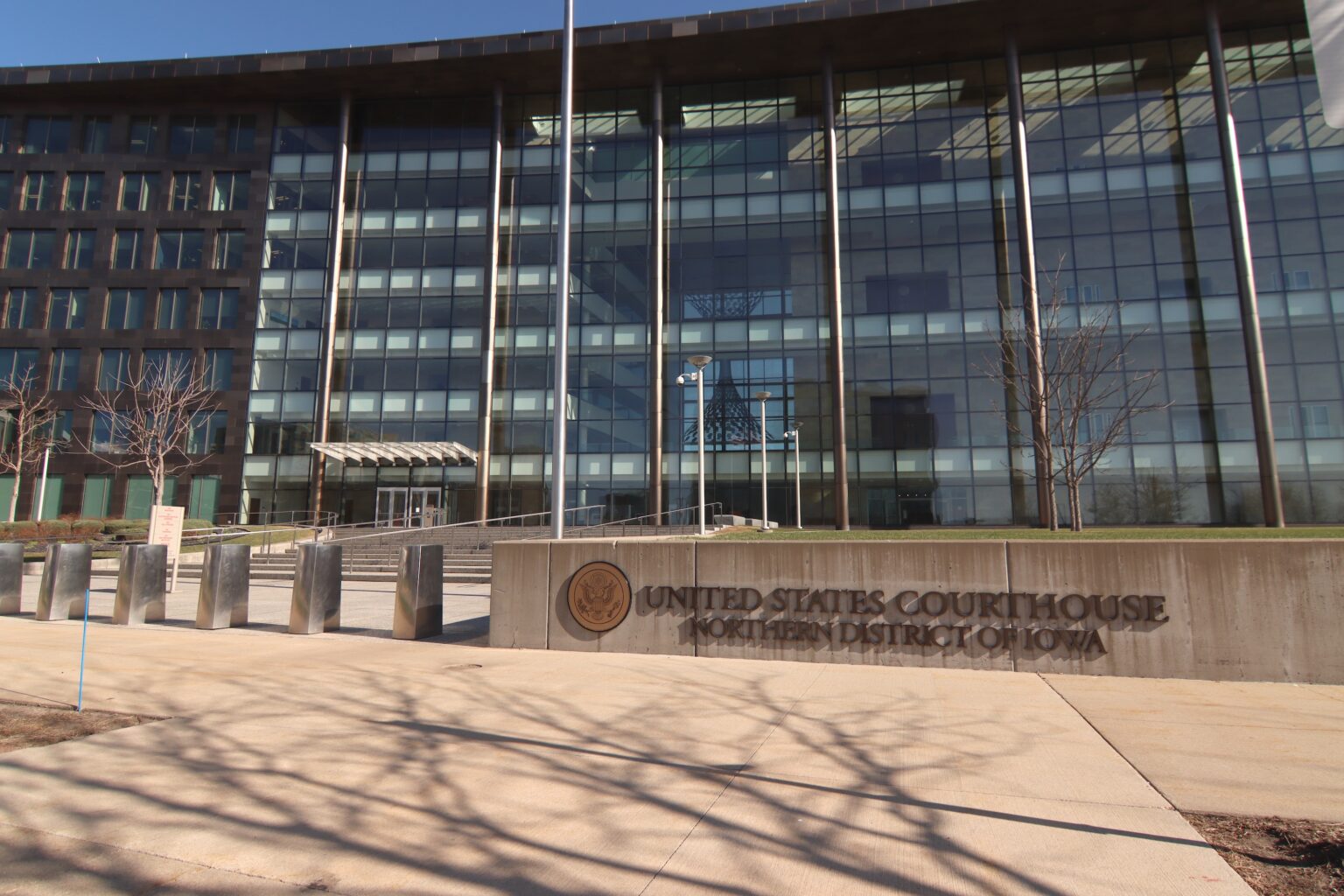
Federal court hears "Swampbuster" case over wetland conservation rules

Cami Koons covers agriculture and the environment for Iowa Capital Dispatch, where this article first appeared.

A federal judge heard oral arguments on March 31 in a case that could overturn a decades-old statute tying wetland conservation to federal farm benefit eligibility. 

The plaintiff CTM Holdings, which owns and rents land to Iowa farmers, sued over the U.S. Department of Agriculture’s “swampbuster” law, alleging its implementation is unconstitutional, and that it takes land without any compensation to landowners.

The government defendants and intervening environmental groups argued against CTM and alleged the company had no standing as it had not suffered any injury from the statute.

Chief Judge C.J. Williams, for the U.S. District Court for the Northern District of Iowa, questioned whether the whole issue was a “failure to communicate” between the landowner and Natural Resources Conservation Service (NRCS), which carries out the swampbuster rule. 

Continue Reading...

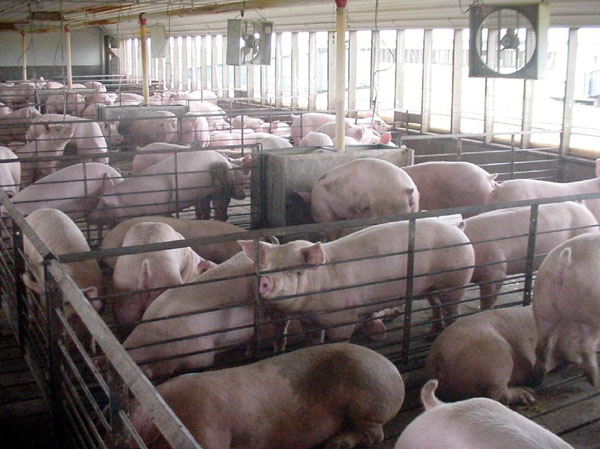
Some Iowa counties don't weigh in on livestock facility construction

Cami Koons covers agriculture and the environment for Iowa Capital Dispatch, where this article first appeared.

Iowa counties can have their own review on proposed animal feeding operation permits if they adopt a construction evaluation resolution and submit it to the Iowa Department of Natural Resources by the end of January each year. 

But not all counties are taking this step, giving up the ability to have a say in the permitting process.

The resolutions allow counties to submit formal recommendations to DNR, send county officials to the DNR inspections of a site, appeal a DNR decision on a construction permit, and implement more stringent construction requirements through the state master matrix.

Continue Reading...