
Keith Schneider

Posts 2 Comments 0

A Corn Belt surprise: Water pollution and cancer are on the ballot

Keith Schneider, a former New York Times national correspondent, is senior editor for Circle of Blue, where this column was first published. He has reported on the contest for energy, food, and water in the era of climate change from six continents. 

Expect the unexpected.

That’s the only certainty of planting season across the Corn Belt. Heat. Frost. Insects. Too much rain, or none at all. Now add the distress the Trump administration has cursed farmers with: Broken markets. Tariffs. Rising fuel costs.

Never, though, has the unexpected included this spring’s surprise: serious consideration of the harm from industrial crop and animal production. Farming’s mammoth water pollution and its consequences for public health are on the ballot in Iowa, where the primary election occurs today.

Candidates of both parties for governor and secretary of agriculture have included among their campaign priorities Iowa’s rising cancer incidence and the nitrate water contamination that may well be responsible. For the first time, the health and environmental damage from farming has moved from the margins to the center of political priorities in Iowa, an agriculture colossus that is the nation’s largest grain and pork producer.

Continue Reading...
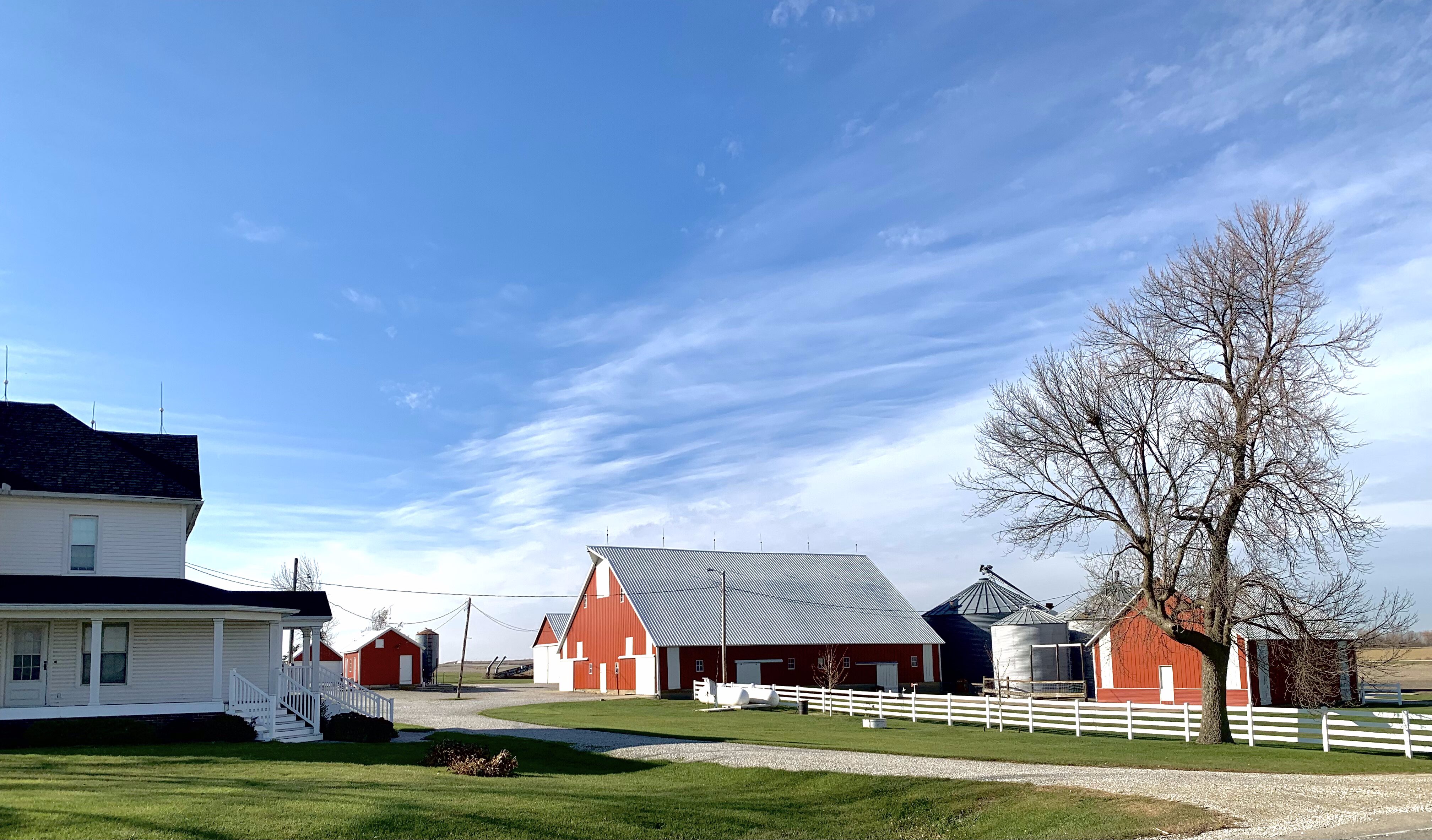
Palo Alto County seeks answers on cancer rate 50% above national average

Keith Schneider, a former New York Times national correspondent, is senior editor for Circle of Blue. He has reported on the contest for energy, food, and water in the era of climate change from six continents. This report was first published by The New Lede and is part of an ongoing collaborative project between The New Lede and Circle of Blue that looks carefully at how agricultural policies are affecting human and environmental health.) 

EMMETSBURG, IOWA –Raised in rural Iowa, 71-year-old Maureen Reeves Horsley once considered her tiny hometown in the northwest part of the state to be a blessed space. She recalls a time when the streams here ran clean and the lake water was clear.

The family farm where Horsley grew up was one of more than 1,200 farms in Palo Alto County in 1970. In her memory, the county’s 13,000 residents enjoyed a thriving agricultural-based economy and close-knit neighbors. Cows grazed in verdant pastures. And seemingly endless acres of corn marched to the horizon.

“We had good crops, corn and soybeans,” Horsley said of her family’s farm along the West Fork of the Des Moines River. “You could make it on a small amount of farmland. You felt safe. It was a good life.”

Two generations later, Emmetsburg and Palo Alto County have been radically transformed into a place where many residents worry that the farms that have sustained their livelihoods are also the source of the health problems that have plagued so many families.

Continue Reading...