
Nick Covington is an Iowa parent who taught high school social studies for ten years.
From the Shriners’ Iowa Corn Song to Grant Wood’s American Gothic, Iowa has long been characterized (and caricatured) to the world by our greatest domestic output—and I’m not talking about corn, soybeans, or eggs. I’m talking monoculture.
It’s rare to find the cultivation or domination of a single species, a monoculture, in natural ecosystems. Visit any of Iowa’s state parks and you’ll find their beauty is in direct proportion to their biodiversity, monoculture’s opposite. Biodiversity tends toward balance, resilience, and sustainability as interdependent species of flora and fauna protect each other from diseases, pests, and overcompetition. It’s a messy and imperfect process that often requires a human touch, but when a lack of biodiversity undermines mutual resilience, the ensuing ecological collapse can lead to devastating consequences.
Triggered by blight which rotted a monocultural food source, for example, thousands of Irish families fled the Potato Famine and settled across Iowa and the Midwest. Decades later their descendants watched dark clouds of topsoil blow away during the Dust Bowl, caused in part by overfarming wheat, a monoculture that replaced what were once thousands of miles of hardy Great Plains.
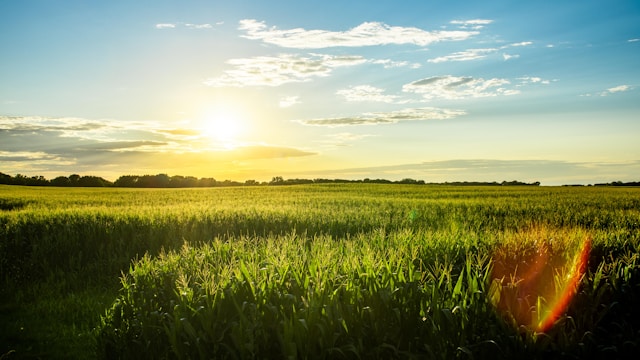
Today, from waving rows of golden corn tassels to the golden dome of the statehouse, Iowa’s political monoculture threatens the ecological, economic, and social diversity of our state, undermining our interdependence and resilience. And it’s killing us.
Continue Reading...