Dan Piller was a business reporter for more than four decades, working for the Des Moines Register and the Fort Worth Star-Telegram. He covered the oil and gas industry while in Texas and was the Register’s agriculture reporter before his retirement in 2013. He lives in Ankeny.
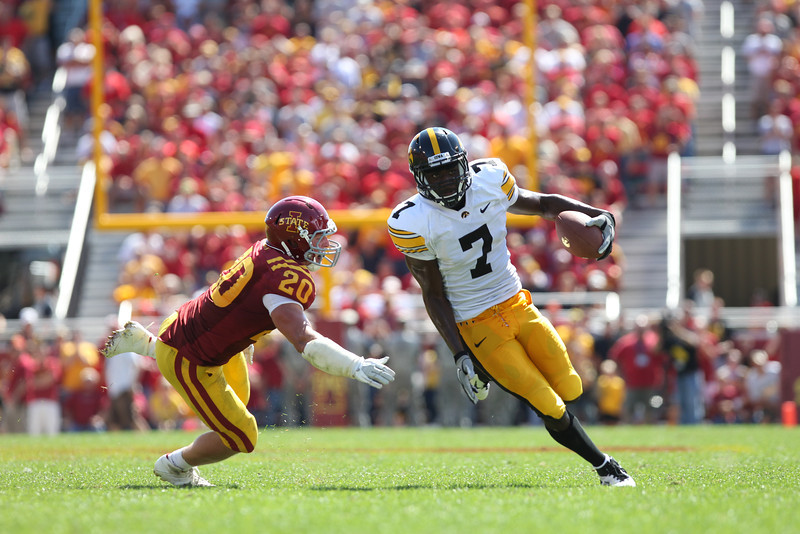
A visitor to Iowa’s two largest university campuses might see the expanded football stadiums complete with private luxury suites whose games attract billion-dollar television contracts, gleaming indoor practice facilities and athlete residences, dining halls and training centers that would rival a fine resort. And they might well wonder why anyone would think Congress needs to pass a “Protect College Sports Act.”
It turns out that college sports needs to be saved from itself. The culprit is that old bogey; money.
Why some want Congress involved with college sports
The 69 universities in the so-called “power conferences” that call themselves “big time” apparently don’t have a clue about how to govern themselves, despite their location on campuses that hold what are supposedly our best minds. Where private, for profit professional sports have endured their various crises with strongmen commissioners, college sports long has long been run by parochial, oligarchical interests that have resisted central control.
Continue Reading...