# Crime


Impact before implementation: What Iowa's habitual offender debate revealed

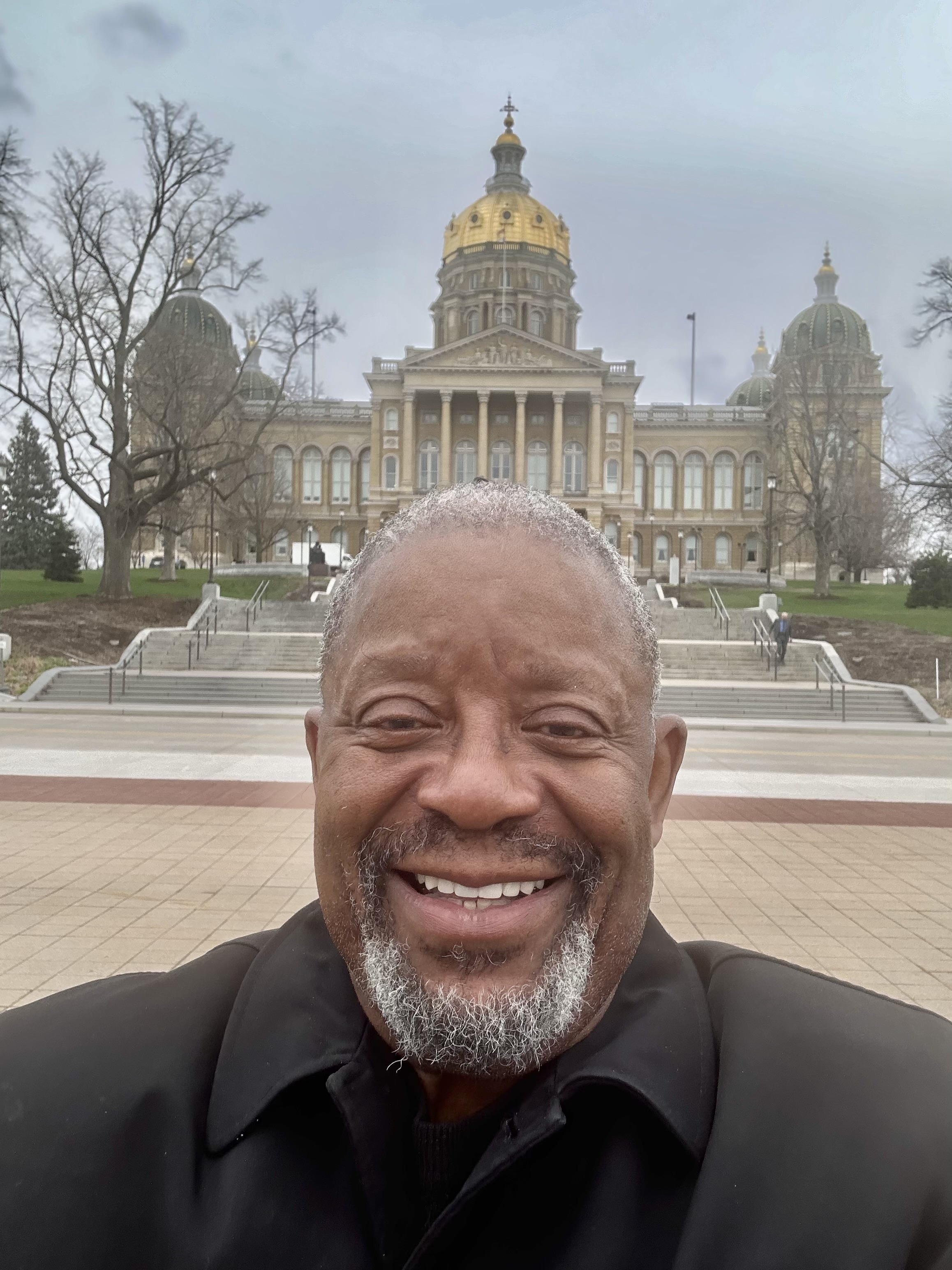
Wayne Ford is the executive director of Wayne Ford Equity Impact Institute and co-Director of the Brown and Black Forums of America. He is a former member of the Iowa legislature (1997 through 2010) and the founder and former executive director of Urban Dreams.

More than a debate about one bill

Something important happened as Iowa lawmakers considered House File 2542, habitual offender legislation commonly referred to as a “three strikes” proposal.

Early versions of the legislation would have required 20-year sentences for a large number of repeat offenders. The final framework approved in the closing days of the session was significantly scaled back; legal analysts and attorneys noted that it would apply to fewer non-violent offenders and would preserve prosecutorial discretion.

That change did not happen in a vacuum.

During the legislative process, lawmakers publicly raised concerns regarding prison capacity, long-term correctional costs, racial disparities, and broader system impact. Requests were made for minority impact analysis, while fiscal and correctional projections became part of the public discussion. Whether individuals supported or opposed the legislation, the debate itself reflected something larger: policymakers were being asked to evaluate impact before implementation.

Continue Reading...

On legislating after more than 36 hours awake

Wayne Ford is the executive director of Wayne Ford Equity Impact Institute and co-Director of the Brown and Black Forums of America. He is a former member of the Iowa legislature (1997 through 2010) and the founder and former executive director of Urban Dreams.

A marathon session—and a moment to reflect

The Iowa legislature’s 2026 session concluded on May 3 after more than 36 hours of debate, negotiation, and decision-making in its final stretch. Lawmakers pushed through a marathon finish before adjourning for the year.

It is a familiar scene in legislatures across America: long nights, complex bills, and final votes made under pressure.

Many legislators acknowledged they were exhausted. Journalists noted some sleeping in the chamber or other signs of fatigue.

And yet, within those final hours, lawmakers were making some of their most important decisions of the year, affecting property rights, taxes, and community stability.

This is not a criticism of the individuals involved. It is a reflection on the system itself.

Because when we step back and look at it plainly, a simple question emerges: Would we accept this in any other field?

A question of standards

Would you allow a surgeon to operate on you after being awake for more than 36 hours?

Would you trust a pilot to make life-and-death decisions under those same conditions?

In most professions, the answer is clear. We would not accept it. The stakes are too high.

Yet in public policy making, we do.

At the very moment when decisions become most critical—when bills must be finalized, compromises reached, and votes taken—the process often demands that lawmakers operate under extreme fatigue.

Research on sleep deprivation has shown that extended wakefulness reduces attention, slows reaction time, and impairs judgment. After roughly 24 hours without sleep, cognitive performance can resemble impairment levels associated with alcohol intoxication.

Again, my point is not to criticize legislators. It is to recognize that the system places them in conditions where decision-making becomes more difficult.

The real issue: not effort, but impact

The end of the latest legislative session in Iowa also revealed something else. Even with all that effort and time, some issues remained unresolved, like restrictions on eminent domain for pipelines.

At the same time, property tax reform generated was debated in both chambers, with lawmakers grappling with long-term consequences for cities, counties, and taxpayers.

These are not simple issues. They involve complex trade-offs:

  • Financial sustainability
  • Property rights
  • Economic development
  • Community impact

When those decisions are made under fatigue, with large amounts of information but limited clarity, the challenge becomes even greater.

The problem is not a lack of effort or a lack of information.

The problem is a lack of clear, structured impact.

Iowa’s lesson: When impact is visible, decisions improve

Iowa took a step in 2008 that would later prove to be nationally significant. By requiring a racial impact analysis for certain criminal justice legislation, the state ensured that lawmakers had a clearer understanding of who would be affected before making decisions.

This was not about politics. It was about clarity.

We saw a real-time example this past weekend. House Republicans’ bill on enhanced criminal sentencing, which became House File 2542, initially called for significantly longer mandatory minimums, and included a wide range of offenses in the formula. structures. As lawmakers examined the potential fiscal impact—costs to the prison system, population effects, and long-term consequences—the conversation evolved. Senate and House Republicans negotiated over changes.

What began as a proposal with sentences approaching twenty years shifted toward a framework closer to seven years, with acknowledgment that alternatives could also be considered.
That shift happened because people had more information—clearer information about impact.

Organizations such as the Pew Charitable Trusts and the Urban Institute have documented similar outcomes nationwide when legislators considered impact statements.

Property taxes: Decisions that shape communities

The debate over property taxes illustrates the broader challenge. The issue is often framed simply—whether taxes should go up or down. But the real question is more complex.

What happens to cities and counties if revenue is reduced?
 How are essential services maintained?
 What happens to infrastructure, public safety, and long-term stability?

These are impact questions.

The Congressional Budget Office provides fiscal analysis to help answer such questions about pending federal legislation. But cost alone does not capture the full picture.

Still searching for clarity on eminent domain

Iowa lawmakers adjourned without any Senate floor vote on eminent domain during the 2026 session. That is telling.

Without clear impact analysis, these debates can become difficult to resolve. Positions harden. Perspectives differ. And decisions become harder to reach.

But with clearer understanding—who is affected, what the alternatives are, and what the long-term consequences will be—the path forward becomes more visible.

Impact does not eliminate disagreement. It improves the quality of the discussion.

A lesson from TIF: When policy evolves without impact review

We have seen similar challenges in economic development through the use of Tax Increment Financing (TIF). Originally designed to support disadvantaged communities (often called “slum and blighted areas,” TIF has expanded in Iowa, to be used for greenfield development in areas with stronger and growing tax bases.

In lower-income communities, the challenge often remains that the tax base is not sufficient to fully leverage the tool. In higher-growth areas, that same tool can generate significant resources.

The issue is not whether TIF is right or wrong.

The issue is whether we fully understood how its use would evolve over time. (Editor’s note from Laura Belin: The last-minute property tax agreement included some new limits on TIF, and local policy makers are currently evaluating the consequences.)

From confusion to clarity

Too often, public policy debates resemble the classic “Who’s on First?” routine by Abbott and Costello—everyone is talking, but confusion reigns.

Impact analysis provides a way forward. It helps answer the fundamental questions: who is affected, what it will cost, and what will happen next.

Across the country, there is growing recognition that policy making must move beyond information to impact. The National Conference of State Legislatures has documented increased use of tools designed to help lawmakers understand policy consequences before implementation.

But these efforts remain uneven.

Better conditions lead to better decisions

The lesson from the Iowa legislature’s 2026 session is clear. When impact is not fully understood, decisions become more difficult.

When impact is visible, decisions improve.

Even after long hours—more than 36 hours without a break—the quality of decisions can improve if the quality of information improves.

Because this is not about how long we stay awake.

It is about how well we understand the impact of the decisions we make.

And that is the lesson for the next 250 years of American lawmaking.

Continue Reading...

Where bills on property tax, pipelines and more stand after second funnel

Robin Opsahl, Brooklyn Draisey, and Cami Koons collaborated on this article, which was first published by Iowa Capital Dispatch.

Following the second “funnel” deadline of the Iowa legislative session, lawmakers often aim to shift their focus from policy to budgeting. But as lawmakers hit week 10 of the 2026 session, it appears agreements have not been reached on some of the top priorities laid out by Republicans at the beginning of session — primarily, eminent domain and property taxes.

Friday marked the second major deadline of the session, when most bills must be passed by one chamber and approved by a committee in the other chamber to stay eligible for consideration. There are many caveats to this rule — legislation involving spending, taxes or government oversight are not subject to the funnel.

Chamber leadership can also designate bills that have not made it through the committee process required as “unfinished business,” saving the measure from the funnel cutoff – and can also bring back “dead” legislation as leadership-sponsored legislation. Some “dead” bills may be added as amendments to surviving bills in future debate.

Continue Reading...

Which bills survived or died in Iowa legislature's first "funnel" of 2026

Robin Opsahl, Brooklyn Draisey, and Cami Koons collaborated on this article, which was first published by Iowa Capital Dispatch. Clark Kauffman and Kathie Obradovich also contributed to this story

Iowa lawmakers took on hundreds of bills in the first six weeks of the 2026 legislative session, though several measures named as top priorities heading into the year, like eminent domain and property taxes, have yet to find consensus.

February 19 was the last day lawmakers met to consider legislation before the first “funnel” deadline of the year. While there are many exceptions, most bills that don’t involve spending, taxes or government oversight must pass through a committee in either the House or Senate in order to stay eligible for consideration.

Continue Reading...

On immigration and the excesses of ICE

Rodney Drenkow is an attorney, a local business owner, and a former member of the Waverly City Council. This column first appeared in the Waverly Democrat.

This is the most difficult piece that I have ever written. Emotions are inflamed. Positions have been set in concrete. There does not seem to be room for any middle ground. The last thing that I want to do is add to the chaos. But I am also very concerned.

It seems that we have fallen far from what makes America great. There are many, many examples: from treating our allies with disdain, the insane way that trade partnerships for our corn and soybeans that have been built up over decades are so cavalierly discarded, the use of federal agencies as vehicles to control, intimidate, and exact retribution against American citizens, the disturbing treatment of those who exercise their Constitutional right to protest. 

Being a bully does not make us respected. Think Biff Tannen in the “Back to the Future” movies. Rather than “Make America Great Again” we are witnessing the tearing down of the very things that make us great. 

I truthfully don’t understand why some people are so afraid of immigrants. Immigrants are, by and large, hard working people, doing the jobs that Americans often don’t want. 

Continue Reading...
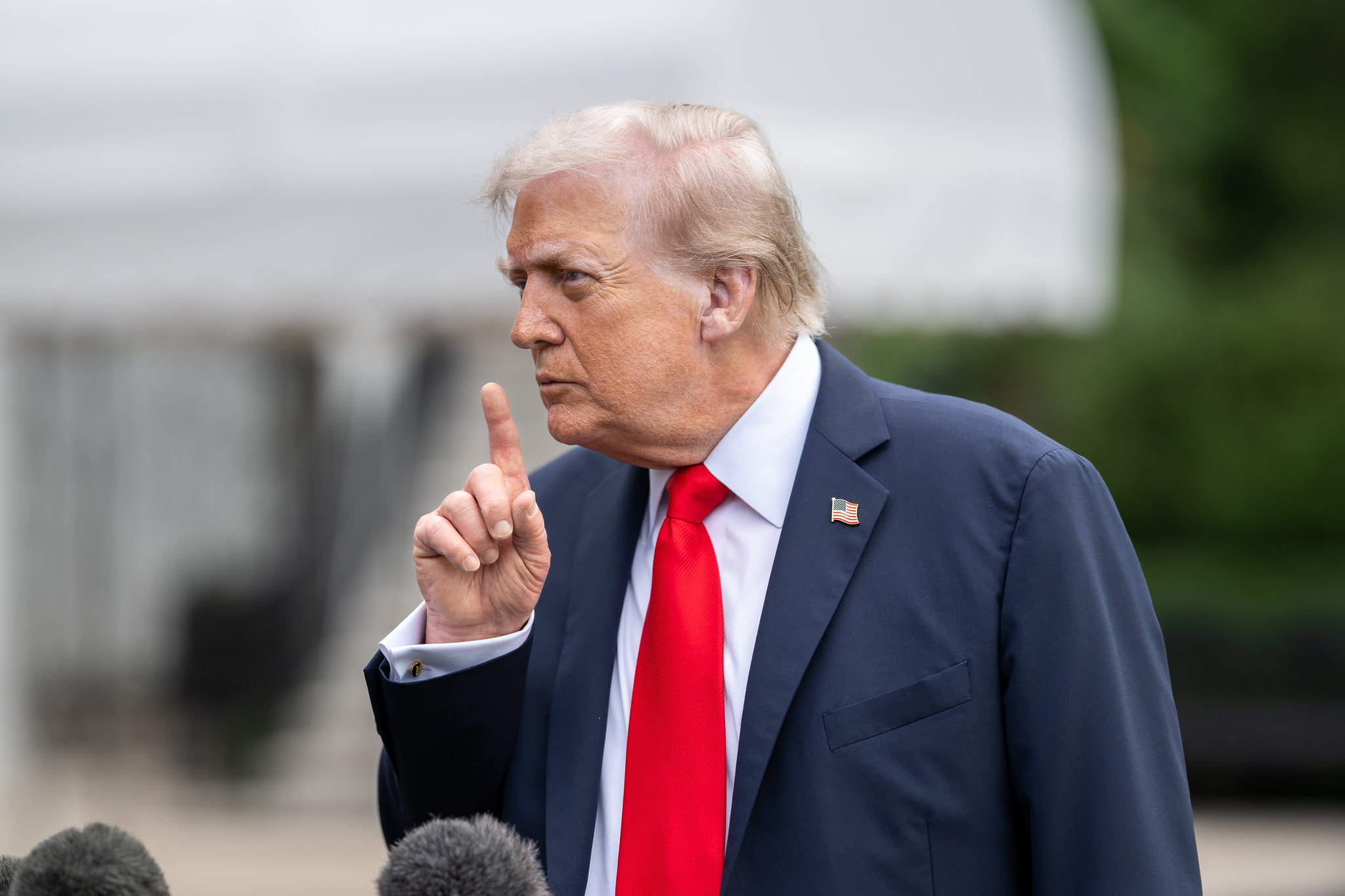
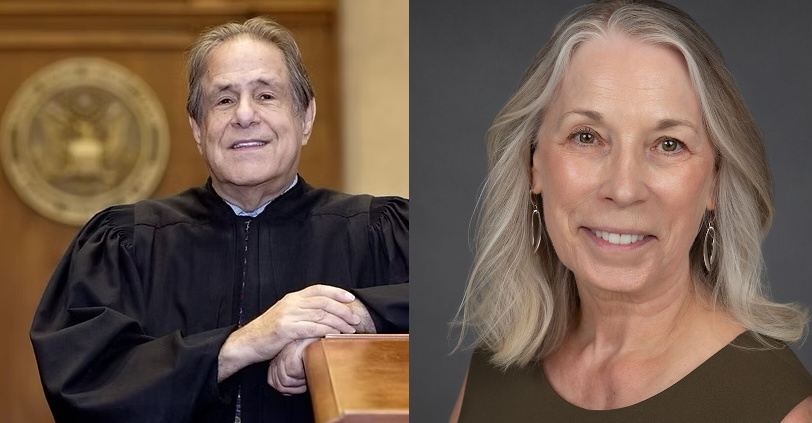
Good judges hear the voices of America

Randy Evans is executive director of the Iowa Freedom of Information Council, a nonpartisan, nonprofit organization that promotes openness and transparency in Iowa’s state and local governments. He can be reached at DMRevans2810@gmail.com. This essay first appeared on his Substack newsletter, Stray Thoughts

January ended with a notable week for federal courts because of the voices of its judges.

Judges in Minnesota and Texas spoke with clarity in these troubled times. In between them, a longtime Iowa federal judge’s voice fell silent after a quarter century of delivering justice, along with lessons in compassion, fairness and our shared history.

Robert W. Pratt was 78 when he died. The Emmetsburg native was a U.S. district judge in the Southern District of Iowa from 1997 to 2023.

Pratt began his legal career working for Iowa Legal Aid, a nonprofit law firm that champions society’s underdogs and gives a voice to those who rarely are heard in our society.

Continue Reading...
NYT report: Chuck Grassley helped end FBI careers

Coordination between Grassley and the F.B.I.’s office of congressional affairs was unusually close throughout the year,” Emily Bazelon and Rachel Poser reported for the New York Times Magazine on January 22.

U.S. Senator Chuck Grassley was not the main focus of “A Year Inside Kash Patel’s F.B.I.,” a must-read investigation of changes that are “undermining the agency and making America less safe,” according to knowledgeable insiders. But as Bazelon and Poser interviewed dozens of current and former FBI employees, Iowa’s senior senator came up repeatedly.

Grassley’s oversight work as chair of the Senate Judiciary Committee led to career agents or supervisors being forced out, in some cases with no investigation supporting their alleged wrongdoing.

The New York Times Magazine article has so far received little attention from the Iowa media. Local journalists with access to Grassley’s weekly conference calls and recorded interviews with hand-picked reporters should ask the senator about some of the troubling details Bazelon and Poser uncovered. (His staff rarely reply to my emails and do not allow me to participate in any of his media availabilities.)

Continue Reading...

Another worrisome power shift from county attorneys to Iowa's AG

Rick Morain is the former publisher and owner of the Jefferson Herald, for which he writes a regular column. This essay first appeared on Substack.

A recent email from the Iowa Attorney General’s (AG’s) office to Greene County Assistant Attorney Laura Snider is of great concern to Greene County Attorney Thomas Laehn. That’s because it displays a quandary created by the state’s 2023 government reorganization act.

Much of Snider’s work in the county attorney’s office deals with Child in Need of Assistance (CINA) cases. Iowa law puts county attorneys in charge of such cases, particularly when it comes to deciding whether to recommend that a court remove a child from a parent’s custody.

The Iowa Department of Health and Human Services also plays a role in those decisions. The email from the attorney general’s office included a proposed agreement for Snider to sign, which would establish new procedures for how a CINA case would be handled if the Greene County attorney’s office and HHS disagree in a particular case.

Continue Reading...
IA-03 poll tests messages against Sarah Trone Garriott, for Zach Nunn

A poll in the field this week previews attack lines Republicans may use against State Senator Sarah Trone Garriott, if she becomes the Democratic nominee in Iowa’s third Congressional district. The same poll tests positive messages about the incumbent, U.S. Representative Zach Nunn.

It’s not clear who commissioned the survey, but the question wording points to either Nunn’s campaign or some GOP-aligned group that plans to support Nunn’s re-election through independent expenditures.

The questions enclosed below are taken verbatim from a text version of the poll. I don’t know whether some voters in the third district are being surveyed by phone; some political polls are conducted entirely by text, while others use multiple methods to reach respondents. UPDATE: A source confirms there is a telephone version of this poll.

I fact-checked the claims about each candidate. According to the respondent who provided copies of the questions to me, this poll did not test any messages about two other Democrats seeking the nomination in IA-03: State Representative Jennifer Konfrst and Xavier Carrigan. That suggests whoever commissioned the poll expects Trone Garriott, who has led the Democratic field in fundraising, to win the June primary. UPDATE: Konfrst ended her campaign and endorsed Trone Garriott on January 26.

A quick reminder: although you may feel angry when you see or hear inaccurate or biased claims about Democratic candidates, it’s better not to click away or hang up. Take screenshots or detailed notes, or record the phone call, and share the questionnaire with me. (I won’t publish your name.)

Continue Reading...
Fort Dodge police video case wrapped in important legal principles

Randy Evans is executive director of the Iowa Freedom of Information Council, a nonpartisan, nonprofit organization that promotes openness and transparency in Iowa’s state and local governments. He can be reached at DMRevans2810@gmail.com. This essay first appeared on his Substack newsletter, Stray Thoughts

It was Christmas Eve. The gifts were laid beneath the Christmas tree at the home of Merlin and Nelda Powers in Urbandale.

But the family’s holiday celebration ended abruptly that day in 1968 when the Powers’ 10-year-old daughter Pamela disappeared from the YMCA in downtown Des Moines while the family attended her brother’s wrestling meet.

Two days passed before the family received the horrible answer to their “where is Pamela” question. Police located the girl’s body in a roadside ditch just off Interstate Highway 80 near Mitchellville.

Continue Reading...

The gang that needs to be disbanded is ICE

Jason Benell lives in Des Moines with his wife and two children. He is a combat veteran, former city council candidate, and president of Iowa Atheists and Freethinkers. This essay first appeared on his Substack newsletter, The Odd Man Out.

ICE is a domestic terror organization.

Conservatives have been fear mongering about immigrants, gangs, and shadowy organizations that are supposedly trying to destroy the American populace. They have claimed criminal gangs from other countries have taken over apartment complexes in Colorado, run drugs in motorboats from the coast of Venezuela up to the U.S., and accused immigrants of voting illegally in multiple elections. 

None of those claims were backed by evidence or consistency. But one thing we know for sure is that these supposed criminal gangs aren’t doing to U.S. citizens what our own federal government is doing.

Murdering them in broad daylight in cold blood.

Continue Reading...

Time to investigate decades of FBI, DOJ inaction on Jeffrey Epstein

Steve Corbin is emeritus professor of marketing at the University of Northern Iowa and a contributing columnist to 246 newspapers and 48 social media platforms in 45 states, who receives no remuneration, funding, or endorsement from any for-profit business, nonprofit organization, political action committee, or political party. 

Maria Farmer reported her sexual assault by Jeffrey Epstein and Ghislaine Maxwell to the New York Police Department and the FBI on August 29, 1996. Ms. Farmer contacted the FBI as advised by the police. On September 3, 1996, the FBI identified the case as “child pornography,” since naked or semi-naked hard copy pictures existed.

Files including Farmer’s 1996 complaint were not required to be made public until late 2025. President Donald Trump signed the Epstein Files Transparency Act into law on November 19. The law required that all files be released by December 19. But under the leadership of U.S. Attorney General Pam Bondi, the Department of Justice (DOJ) failed to release 100 percent of the files.

Continue Reading...

Liberty for one drug lord, death sentences for others

Randy Evans is executive director of the Iowa Freedom of Information Council, a nonpartisan, nonprofit organization that promotes openness and transparency in Iowa’s state and local governments. He can be reached at DMRevans2810@gmail.com. This essay first appeared on his Substack newsletter, Stray Thoughts

There seems to be a lack of consistency—if not outright contradictions—in President Donald Trump’s approach to drug trafficking into the United States.

Recent news headlines bear out the disconnect between what the president says and what he does.

One thing is certain: Donald Trump’s mixed messaging illustrates our nation’s lack of a coherent federal strategy for dealing with the scourge of illicit drugs.

See what you think about these questions of death and liberty.

Continue Reading...

ICE robbed more from our community than a public servant

Jason Benell lives in Des Moines with his wife and two children. He is a combat veteran, former city council candidate, and president of Iowa Atheists and Freethinkers. This essay first appeared on his Substack newsletter, The Odd Man Out.

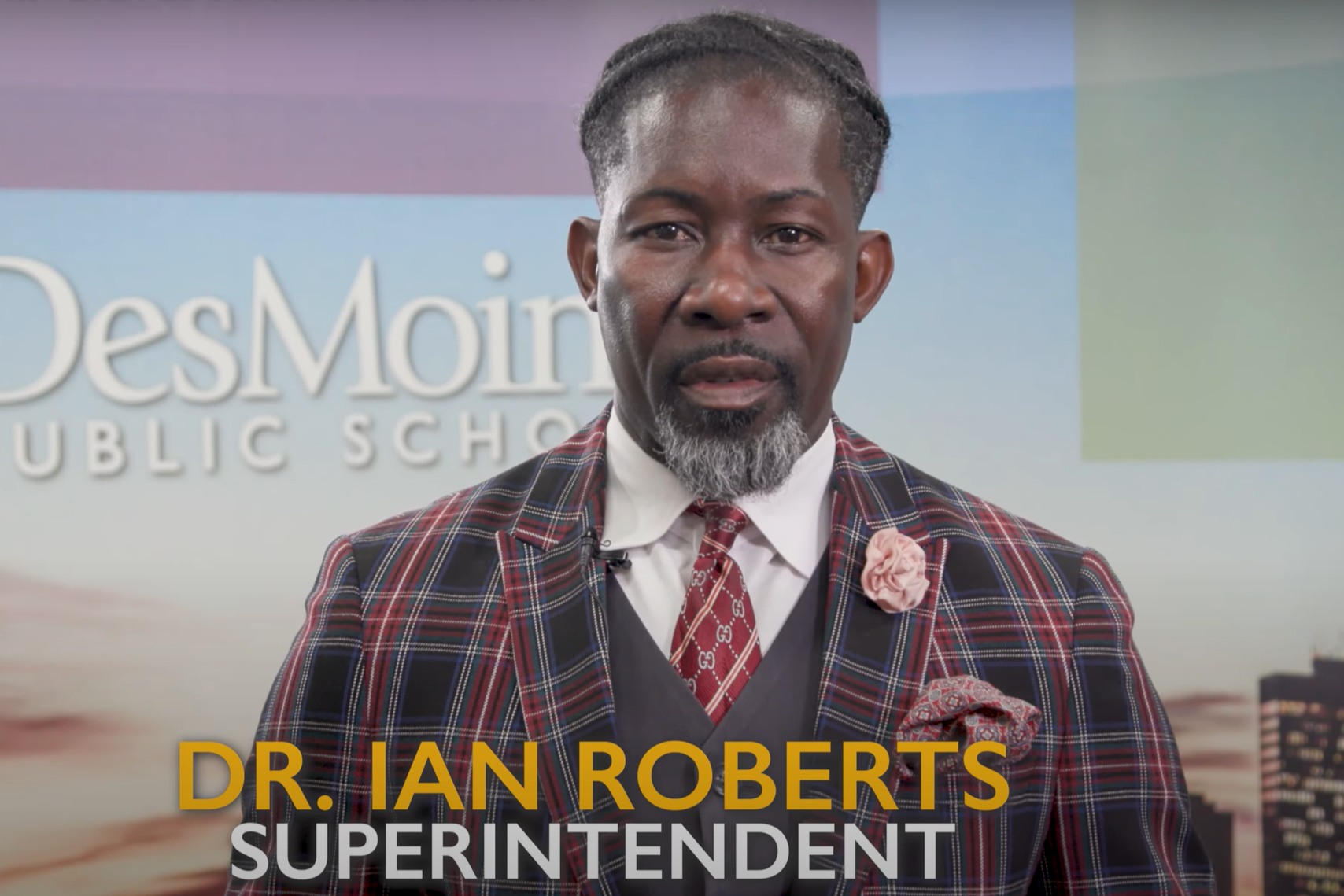
If you care about due process, and if you care about the rule of law, and if you care about justice, then everything surrounding the arrest of Dr. Ian Roberts, former superintendent of Des Moines Public Schools (DMPS), should infuriate you.

This whole event has been awful for everyone involved, from students who looked up to him, parents who trusted him, and administrators who appointed him. But something is being missed in this discussion: the presence of U.S. Immigration and Customs Enforcement (ICE). The agency should be abolished—but if it’s going to be around, it absolutely shouldn’t ever operate this way. Its actions make us less safe, not safer.

Instead of only focusing on Roberts’ purported misdeeds, we should be asking the larger question about what is being taken from our communities. Guess what? It’s more than a trusted school administrator.

Continue Reading...

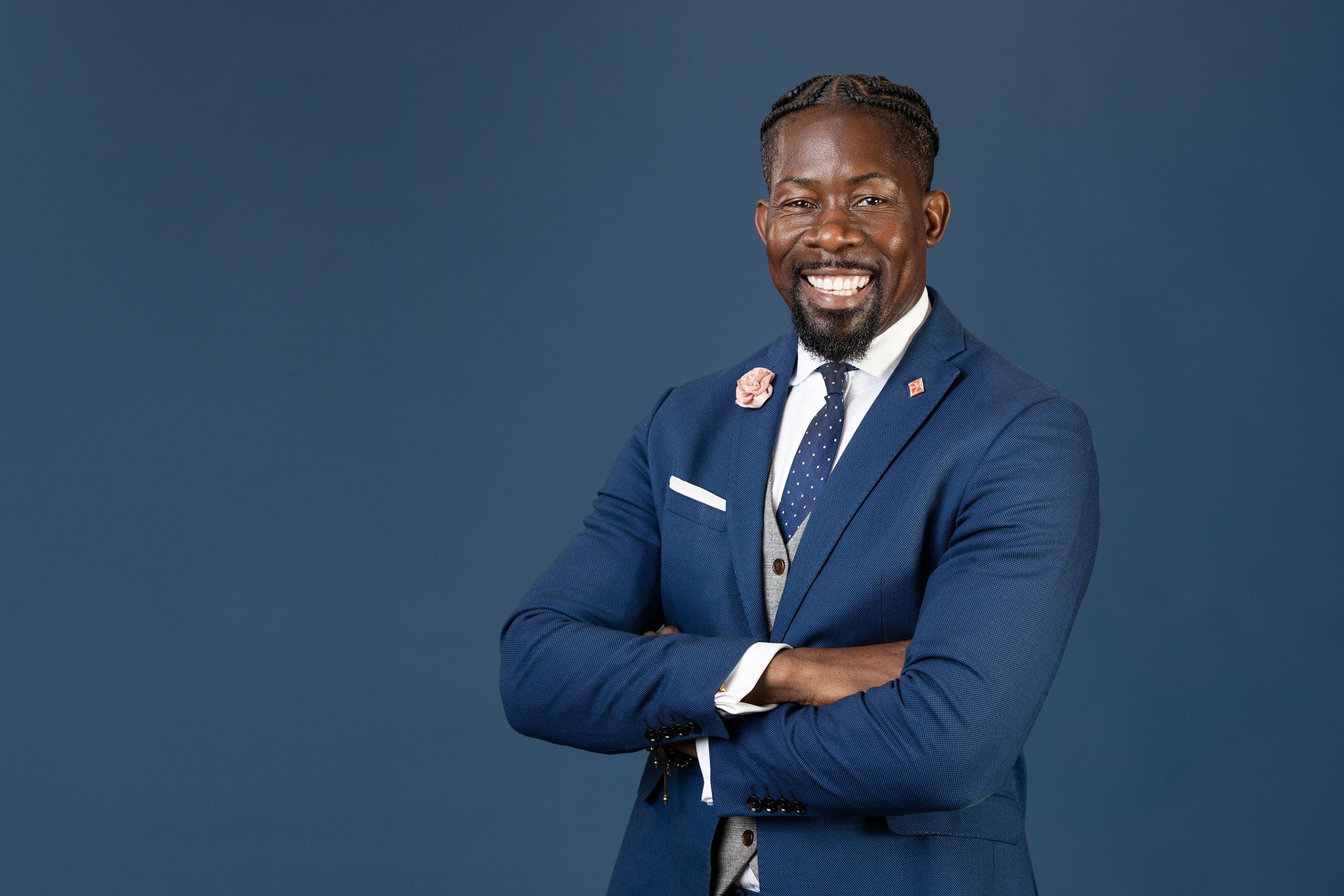
Ian Roberts resigns as Des Moines superintendent, lawyer says

Robin Opsahl covers the state legislature and politics for Iowa Capital Dispatch, where this article first appeared.

Des Moines Public Schools superintendent Ian Roberts has resigned from his position effective immediately, lawyers representing him said on September 30.

Continue Reading...
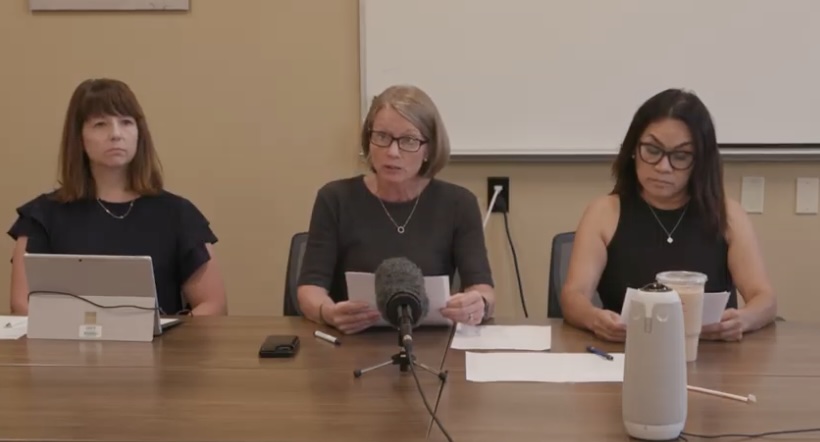
Board puts DSM superintendent on leave, decries "misinformation"

UPDATE: On September 29, the Des Moines School Board learned that the Iowa Board of Education Examiners had revoked Roberts’ administrator license, and received from federal authorities a copy of the final order of removal and other documentation indicating that Roberts was not authorized to work in the U.S. The board held another special meeting at which members voted to put Roberts on unpaid leave. They also gave his attorney until noon on September 30 to provide documents supporting his claim to citizenship. Otherwise the school district will start the process of terminating his contract. Original post follows.

Members of the Des Moines School Board voted unanimously on September 27 to place Superintendent Dr. Ian Roberts on paid administrative leave, one day after U.S. Immigration and Customs Enforcement (ICE) detained him. ICE has said Roberts is unlawfully present in the U.S. and lacks work authorization.

In support of the motion she offered at the special meeting, school board member Kim Martorano said, “While there is still much that we don’t know, what we do know is that Dr. Roberts is currently unavailable to perform his duties as superintendent.” She said Iowa Code Chapter 279 and “standard district practice” called for putting Roberts on paid administrative leave “pending further information. The board may revisit this at any time that we have obtained additional concrete information relevant to Dr. Roberts’ status.”

Continue Reading...
ICE detains Des Moines Superintendent Dr. Ian Roberts

UPDATE: On September 27, the Des Moines School Board put the superintendent on administrative leave and released more details on the hiring and vetting process. Original post follows.

U.S. Immigration and Customs Enforcement (ICE) on September 26 detained Dr. Ian Roberts, the superintendent of Iowa’s largest public school district. The Des Moines Public Schools confirmed Roberts’ detention, saying in a statement from school board President Jackie Norris, “We have no confirmed information as to why Dr. Roberts is being detained or the next potential steps.”

Roberts has served as superintendent of Iowa’s largest school district (with more than 30,000 students) since July 2023. He has presided over efforts to improve student performance and attendance, reduce out-of-school suspensions that can lead to higher drop-out rates, and address food insecurity.

Roberts’ official bio states that he “was born to immigrant parents from Guyana, and spent most of his formative years in Brooklyn” (New York City). As a middle distance runner specializing in the 800 meters, he won several titles at the collegiate level in the U.S. and competed in the 2000 Olympic Games in Sydney, representing Guyana.

Associate Superintendent Matt Smith has stepped in as interim superintendent, according to a statement from the Des Moines Public Schools (enclosed in full below). I will update this post as more details become available.

Continue Reading...
The "mindless menace of violence"

Bill Bumgarner is a retired former health care executive from northwest Iowa who worked
in hospital management for 41 years, mostly in the state of Iowa.

Gun violence made headlines again on September 10.

As I write this, two children lay wounded following a school shooting in Colorado. Political commentator Charlie Kirk is dead, the victim of a single shot from a sniper while holding an event at a university in Utah.

Of course, the political class is offering thoughts and prayers. But there will be no meaningful action. Again. We already know that.

Yet, with every act of gun violence, I think back to a speech by Robert F. Kennedy, the former attorney general, U.S. senator and presidential candidate. He delivered these remarks at the Cleveland City Club, in Cleveland, Ohio, on April 5, 1968, the day following the assassination of Dr. Martin Luther King, Jr.

Continue Reading...

Guard deployment raises old question: Who really governs Washington?

Wayne Ford is the executive director of Wayne Ford Equity Impact Institute and co-Director of the Brown and Black Forums of America. He is a former member of the Iowa legislature and the founder and former executive director of Urban Dreams.

Washington, D.C. has always been more than just another city. It is the nation’s capital, a symbol of democracy, and a unique jurisdiction caught between local self-governance and federal control. Today, it has also become the latest flashpoint in America’s ongoing debate about crime, politics, and presidential power.

Mayor Muriel Bowser recently acknowledged that the federal surge of law enforcement—including the deployment of the National Guard ordered by President Donald Trump—has coincided with a sharp drop in crime. Carjackings fell by 87 percent. Overall violent crime was cut nearly in half. And, in a milestone for the city, Washington went twelve consecutive days without a single homicide.

The numbers are dramatic. Headlines on cable news have trumpeted them as proof that federal power works. Bowser herself admitted that the crackdown “brought results,” even though she expressed concerns about the heavy presence of federal officers in local neighborhoods.

But here is the crucial point: these statistics represent only a few weeks of data. They are not proof of a long-term trend. Just as crime patterns fluctuate with seasons, neighborhoods, and economic cycles, a short-term dip can reflect immediate deterrence without changing the deeper conditions that drive violence. That distinction matters if we are to think seriously about Washington, D.C. and its future.

Continue Reading...
Scouts' Dishonor: An American institution battles sexual abuse

Kurt Meyer writes a weekly column for the Nora Springs – Rockford Register and the Substack newsletter Showing Up, where this essay first appeared in several installments. He served as chair of the executive committee (the equivalent of board chair) of Americans for Democratic Action, America’s most experienced liberal organization.

Ninety years ago, in a message to the Boys Scouts of America, President Franklin Roosevelt, honorary president of the Scouts, noted,

The year 1935 marks the 25th birthday celebration of the Boy Scouts of America. During these years the value of our organization in building character and in training for citizenship has made itself a vital factor in the life of America. … There are in each community so many well-organized and efficiently administered agencies… which strengthen the best objectives of the home, the church, and the school.

Several months later, a far less glowing message came from a relative of FDR, Colonel Theodore Roosevelt, President Teddy Roosevelt’s son, chair of the Scout’s personnel division. Speaking extemporaneously at the 25th anniversary meeting of the Scouts National Council, Colonel Roosevelt referenced a Boy Scout “red flag list,” also known as “ineligible volunteer files” and “perversion files.” 

Continue Reading...

The No Kings Act should be the law of the land

Rick Morain is the former publisher and owner of the Jefferson Herald, for which he writes a regular column. This essay first appeared on Substack.

A year ago this month, U.S. Senate Minority Leader Chuck Schumer, Democrat of New York, introduced the No Kings Act with 36 co-sponsors. With the Senate under Republican control, the bill did not receive a vote and therefore died.

It deserves resurrection.

The No Kings Act was inspired by the U.S. Supreme Court’s 6-3 decision on July 1 of last year that the president is immune from prosecution for all official acts he or she commits while in office, even if they break the law. The court handed down that decision in Donald J. Trump v. United States, in which Trump was indicted for attempting to overturn the results of his loss to Joe Biden in the 2020 election four years earlier.

To complicate matters, the court did not define what constitutes an “official act.”

Continue Reading...
From Heartland to Hellscape: Living in fear in Washington, D.C.

Anna Ryon is an attorney from Iowa who currently lives in Washington, D.C.

I live in Washington, D.C., and I don’t feel safe. Every time I leave home, I wonder if I’ll make it back. Before leaving, I turn off Face ID on my phone so no one can open it if they take it from me, write phone numbers in ink somewhere on my body, and make sure to turn on live location tracking so someone knows where I am at all times. Saturday afternoon before my husband and I went out, he texted his parents to tell them where we were going in case anything happened.

I got my first job in D.C. in 2007 and have lived and worked in D.C. on and off since then, so I feel pretty familiar with life in D.C. This level of fear is new. For most of my time in D.C., my safety concerns were the same basic safety concerns I’d have in any city, including Des Moines. I felt comfortable wearing earbuds while walking alone and openly carrying my iPhone. The extra fear I now feel for my safety has a specific starting date: Monday, August 11, 2025. 

Continue Reading...

The life and legacy of Wayne Ford and his recommitment

Wayne Ford represented part of Des Moines in the Iowa House and is the founder of the nonprofit organization Urban Dreams.

Opening scene

During Urban Dreams’ 40th Anniversary Celebration on July 30, 2025, the organization unveiled a commemorative plaque in my honor in the Urban Dreams Community Courtyard on 6th Avenue — the same neighborhood where my journey in Des Moines truly began. This event brought together former and current staff, clients who have benefited from Urban Dreams’ programs, directors past and present, community leaders, elected officials, and other friends from across Iowa.

It was more than just a celebration of my past work; it was a public reaffirmation of my recommitment to Des Moines, the state of Iowa, and the causes that have defined my life.

Continue Reading...

Pascual Pedro Pedro recounts deportation after routine ICE check-in

Tom Foley is an intern reporter for Iowa Capital Dispatch, where this article first appeared.

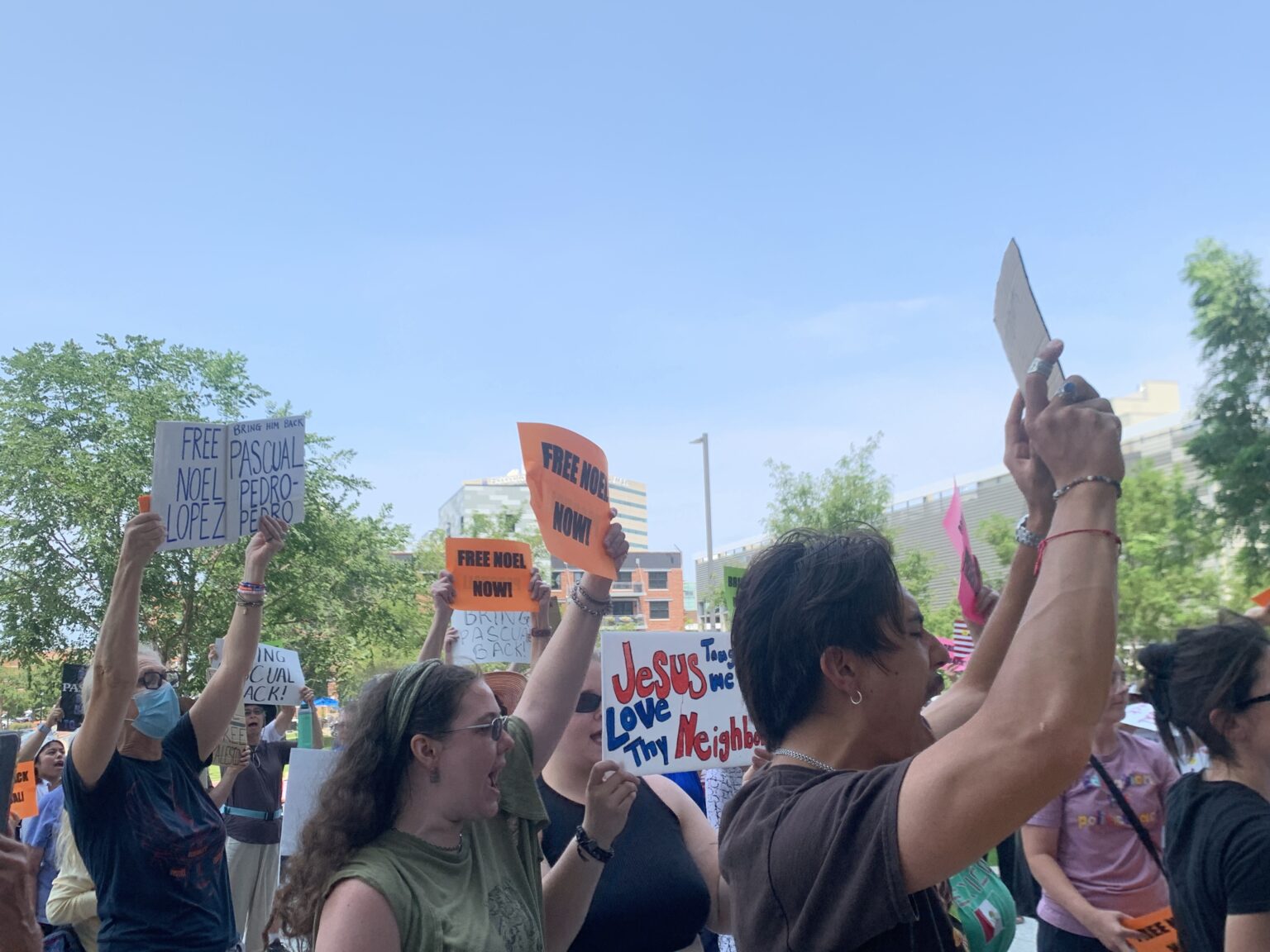
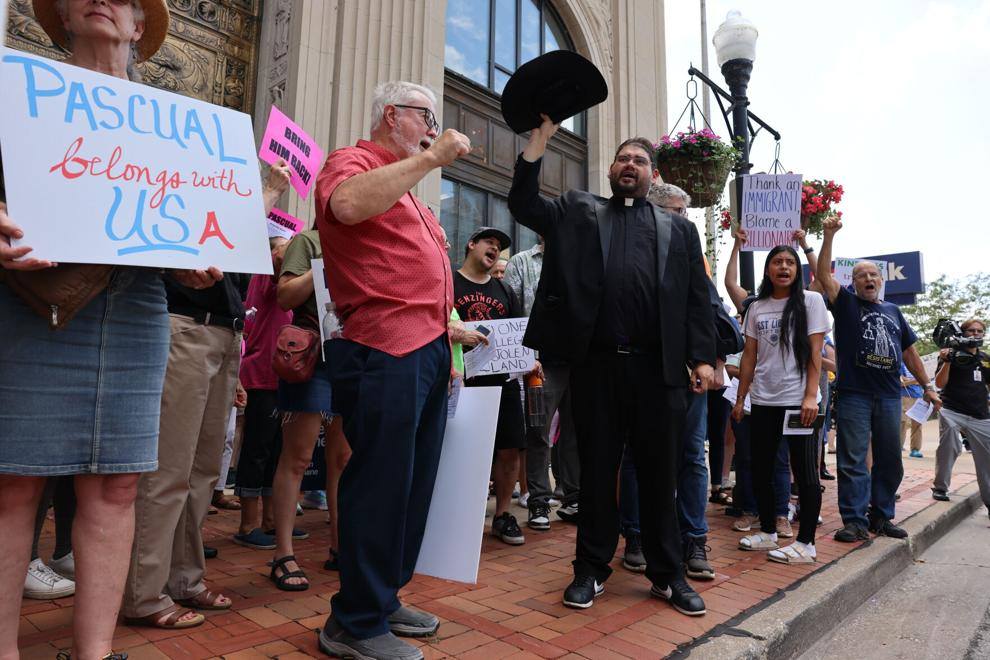
West Liberty resident Pascual Pedro Pedro, whose deportation has sparked protests across eastern Iowa, told his story by phone from Guatemala during a July 30 news conference.

The call took place one day after around 200 Iowans, including ten pastors, marched on the federal courthouse in Cedar Rapids on July 29 to advocate for the return of Pedro to West Liberty and to free detained Muscatine resident Noel Lopez.

Pedro, 20, was detained on July 1 at an annual U.S. Immigration and Customs Enforcement check-in and deported less than a week later. 

Continue Reading...

A county sheriff stood up to Brenna Bird—and she backed down

Ed Tibbetts, a longtime reporter and editor in the Quad-Cities, is the publisher of the Along the Mississippi newsletter, where this article first appeared. Find more of his work at edtibbetts.substack.com.

If there’s one thing politicians know, it’s this: If you want to bury unflattering news, release it on a Friday afternoon.

Which is when Iowa Attorney General Brenna Bird broke the news she was dropping her lawsuit against Winneshiek County Sheriff Dan Marx. Her announcement landed in my inbox at 3:24 p.m. on Friday, July 18.

In a brief news release explaining her decision to drop the suit accusing Marx of violating state law by discouraging immigration enforcement, Bird made no mention of the loyalty oath she previously demanded he take in order to avoid court action.

Continue Reading...

The case for a new Johnson County Jail

Lauren Whitehead serves on the Solon City Council.

Earlier this month I toured the Johnson County Sheriff’s Office and Johnson County Jail. In 2026, voters will likely decide on a bond to replace this failing facility, which serves all of Johnson County—including my city of Solon (population 3,000), about ten miles north of Iowa City. I’ve served for eight years as a city councilor and two as mayor pro tem.

What I saw during that visit was disturbing—but what concerns me even more is the growing pattern of political resistance to public safety infrastructure as a whole on the Board of Supervisors. This essay is both a fuller account of what I saw at the jail and a broader commentary on the challenges facing law enforcement, infrastructure, and rural governance in Johnson County today.

Continue Reading...

Names make it tough to ignore human impact of news

Randy Evans is executive director of the Iowa Freedom of Information Council, a nonpartisan, nonprofit organization that promotes openness and transparency in Iowa’s state and local governments. He can be reached at DMRevans2810@gmail.com

One longtime truism of journalism is “Names make news.” 

That shorthand stems from the fact people better understand the significance and context of news when they learn about events and issues through the eyes and experiences of people they know or with whom they can identify.

The late Iowa Supreme Court Justice Mark McCormick described the importance of this news tenet by noting how disclosing even sensitive private facts and names offers “a personalized frame of reference to which the reader could relate, fostering perception and understanding” and lends “specificity and credibility.”

Here are two heartbreaking examples from recent events: 

Continue Reading...

Grassley using Judiciary Committee to avenge Donald Trump

When President Donald Trump gave Senator Chuck Grassley his “complete and total endorsement” during an October 2021 rally at the Iowa State Fairgrounds, he said one undeniably truthful thing about Iowa’s senior senator: “When I’ve needed him for help he was always there. […] He was with us all the way, every time I needed something.”

At the latest Trump rally in Des Moines, Grassley showed once again that the president’s assessment was on the money.

Continue Reading...

Former Iowa judges join brief against prosecution of Wisconsin judge

Two Iowa jurists have signed on to an amicus brief calling for a federal court to dismiss the indictment against Milwaukee County Circuit Court Judge Hannah Dugan. Federal prosecutors charged the judge with concealing a person from arrest and obstructing an official proceeding after she allegedly helped a defendant in her courtroom avoid immigration law enforcement. She has pleaded not guilty and moved to dismiss the charges.

Former U.S. District Court Judge Mark W. Bennett and former Iowa Supreme Court Chief Justice Marsha Ternus were among the 138 retired judges who signed the brief, filed on May 30 in the U.S. District Court for the Eastern District of Wisconsin. The signatories served on courts in 24 different states or were appointed to the federal bench by Presidents Jimmy Carter, Ronald Reagan, Bill Clinton, and George H.W. Bush. Their brief argued, “The government’s indictment of Judge Dugan represents an extraordinary and direct assault on the independence of the entire judicial system.”

In early May, Judge Bennett and Justice Ternus signed an open letter to U.S. Attorney General Pam Bondi, which condemned the Trump administration’s various attempts to “intimidate and threaten the judiciary.”

Continue Reading...

Progressive Pope? No such thing

Jason Benell lives in Des Moines with his wife and two children. He is a combat veteran, former city council candidate, and president of Iowa Atheists and Freethinkers. A version of this essay first appeared on his Substack newsletter, The Odd Man Out.

As an atheist and critic of religion, I didn’t expect to be writing about the goings on in the Catholic Church regarding the new pope. The media is abuzz with coverage of the man the cardinals elected, Robert Prevost of Chicago. Since he has been critical of notable right-wing politicians and policy on social media, and is the first Pope from North America, some have argued his selection signifies a continuation of the “progressive” legacy of the late Pope Francis.

However, the evidence is simply not stacking up behind this claim.

Continue Reading...

DCI report on Davenport building collapse must be made public

Ed Tibbetts, a longtime reporter and editor in the Quad-Cities, is the publisher of the Along the Mississippi newsletter, where this article first appeared. Find more of his work at edtibbetts.substack.com.

Three months ago, Scott County Attorney Kelly Cunningham said she would not file criminal charges in the partial collapse of a six-story apartment building in downtown Davenport in 2023.

The decision came after an inquiry by the Iowa Division of Criminal Investigation. In explaining her decision to the Quad-City Times, Cunningham cited the findings of the DCI report.

Now, she wants to keep the report secret.

Continue Reading...

What's still moving—and what's not—after Iowa legislature's second funnel

Robin Opsahl covers the state legislature and politics for Iowa Capital Dispatch, where this article first appeared. Brooklyn Draisley, Cami Koons, and Kathie Obradovich contributed to this article.

As the Iowa legislature advanced past the second major deadline of the 2025 session, conversations on pipelines, Medicaid work requirements and new higher education requirements are continuing through surviving bills—though agreements have not necessarily been reached between the two Republican-controlled chambers.

The session’s second “funnel” deadline is another checkpoint for lawmakers during the legislative session, culling the bills that remain eligible for consideration as the Legislature nears the end of session. During the first funnel, bills were required to gain approval by a committee in one chamber to survive. In the second funnel, bills must have passed in floor debate in one chamber and gained committee approval in the other chamber to remain eligible.

There are several exceptions to this deadline, such as bills involving taxes, spending and government oversight components, and they include the property tax legislation proposed by Iowa lawmakers. Legislative leaders can also sponsor a bill and bring it forward without abiding by the deadline.

In addition, the language of a bills considered “dead” because of the funnel can still be added, at any point, as an amendment to a surviving bill.

There are also several bills that remain eligible for consideration by being placed on the “unfinished business” calendar, allowing them to remain up for consideration during the remainder of the session.

Continue Reading...

Iowa unfairly targeted hundreds of potential voters in 2024

Ed Tibbetts, a longtime reporter and editor in the Quad-Cities, is the publisher of the Along the Mississippi newsletter, where this article first appeared. Find more of his work at edtibbetts.substack.com.

The State of Iowa unfairly targeted hundreds of potential voters during last year’s election, and it released more evidence to prove it.

Two weeks before the 2024 election, Secretary of State Paul Pate ordered local election officials to challenge the votes of about 2,200 people who were placed on a secret list. At some point in the past, those people had told the Iowa Department of Transportation they were noncitizens. But they were now registered to vote, and the state was worried they might not be eligible.

At the time, there was clear evidence Pate was using flawed data. The DOT database is a notoriously unreliable tool for finding noncitizen voters, which we already knew was a rare occurrence, anyway. But in the heat of a contentious election and shortly after a conversation with Governor Kim Reynolds, Pate used the power of his office to target hundreds of potential Iowa voters.

On March 20, Pate admitted that only 277 of the 2,176 people on his list were confirmed to be noncitizens.

Continue Reading...

At least ten Iowans affected by Trump's pardons of January 6 offenders

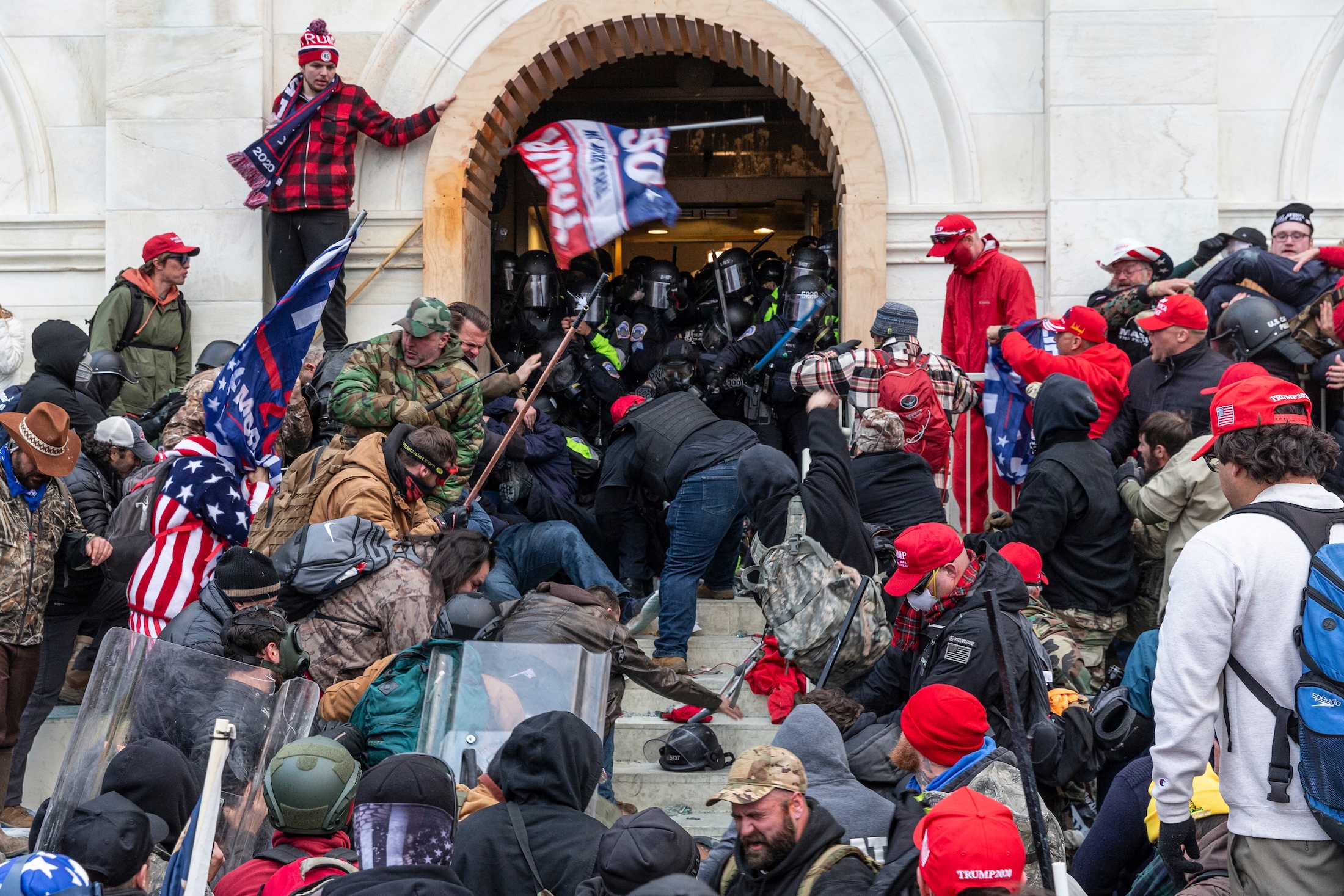
At least ten Iowans are among some 1,500 people President Donald Trump pardoned on his first day back in the White House. The sweeping proclamation affects everyone convicted of offenses related to the January 6, 2021 attack on the U.S. Capitol. Most of them will receive a “full, complete and unconditional pardon.” Fourteen named individuals, who were leaders of the extremist groups Proud Boys and Oath Keepers, will have their sentences commuted to time served.

Speaking from the Oval Office, Trump characterized those charged with January 6 offenses as “hostages,” a term he periodically used on the campaign trail last year.

Ten Iowans have been charged in connection with the January 6 events, William Morris and Brian Smith reported for the Des Moines Register earlier this month. Two have been serving years-long prison terms but will soon be released, in accordance with Trump’s pardons:

Continue Reading...

Chuck Grassley's oversight overlooked red flags on Biden smear

A year-end review from U.S. Senator Chuck Grassley’s office boasted that the senator’s oversight “touched on 97% of all taxpayer-funded agencies” during 2024. “Nearly every corner of government received Grassley’s thorough inspection – it’s all part of Grassley’s constant efforts to ensure the government is a service to the American people,” the report added.

One area that escaped Grassley’s “thorough inspection” was the collapse of bribery allegations against President Joe Biden and Hunter Biden. For months in 2023, Grassley publicized an FBI informant’s explosive claims about the Bidens.

But he’s had nothing to say since Alexander Smirnov, the original source of those allegations, pleaded guilty in December to making up the whole story.

Continue Reading...

Report: Confusing state rules led to jails’ illegal seizure of inmate funds

Clark Kauffman is deputy editor at Iowa Capital Dispatch, where this article first appeared. He worked for the Iowa Office of Ombudsman from October 2018 through November 2019. 

The Iowa Department of Corrections has refused to change its administrative rules to help ensure the state’s county jails aren’t illegally seizing inmates’ money, according to the state ombudsman’s office.

In its newly issued annual report, the Iowa Office of Ombudsman says that for several years, it has tracked procedures in Iowa jails that run contrary to Iowa law. Some of the practices are attributed to contradictions between Iowa law and state agencies’ administrative rules.

Continue Reading...

Iowa attorney general defers to Trump on January 6 pardons

Iowa Attorney General Brenna Bird will again ask the Iowa legislature to increase state penalties for assaulting law enforcement officers, she told reporters on December 12. But she did not condemn the idea of pardoning those who assaulted police during the January 6, 2021 attack on the U.S. Capitol.

Bleeding Heartland asked Bird whether people who assaulted law enforcement or damaged federal government property on January 6 should be pardoned. She replied, “Well, that’s up to President Trump to decide once he’s in office.”

Would she support Trump if he issues those pardons? “As someone who has worked on pardons at the state level” with former Governor Terry Branstad, Bird said, “I think those decisions are best made on an individualized basis.”

Bird served as Branstad’s legal counsel from his return to the governor’s office in 2011 until early 2015. Elected attorney general in 2022, she was the highest-ranking state official to endorse Trump’s 2024 presidential campaign before the Iowa caucuses.

Continue Reading...

Did Biden change his mind or lie? The case for pardoning Hunter

Bernie Scolaro is a retired school counselor, a past president of the Sioux City Education Association, and former Sioux City school board member.

We do not always have all the information when we first make a decision. After further review and consideration, the ability to change your mind is not always easy, maybe even embarrassing. But changing your mind does not mean you lied.

Continue Reading...

The Democratic message in an era of fear, anger, and self-interest

Tom Walton is an attorney in Dallas County.

An analysis of any political defeat must start with the message—what did you say to voters about why they should vote for you, and how did you say it? When you’re shut out of every branch of government, the only thing you have left is your message.

When commentators have focused on the Democratic losing message in 2024, they criticized many things, including “performative ‘wokeness’—the in-group messaging used by hyper-online and overeducated progressives” and “the stale politics of identity.” Too much about abortion—not enough about how hard it was for folks to just get by.

Continue Reading...

Nazi analogies and today's U.S. political landscape

Henry Jay Karp is the Rabbi Emeritus of Temple Emanuel in Davenport, Iowa, which he served from 1985 to 2017. He is the co-founder and co-convener of One Human Family QCA, a social justice organization.

In 1990, Michael Godwin observed a phenomenon on internet and proposed a concept known as “Godwin’s Law of Nazi Analogies.” It stated, “As an online discussion continues, the probability of a reference or comparison to Hitler or Nazis approaches one.” Godwin’s law quickly spread to all forms of conversations and debates on hot-button issues.

Folks like me, who did not grasp the meaning of the phrase “approaches one,” have explained it as either “you know the discussion has gone on too long” or “that thread is over and whoever mentioned the Nazis has automatically lost whatever argument was in progress.” As a writer in the Guardian once reframed it, “The longer an argument runs, the greater the likelihood Hitler gets mentioned.”

The point of this rule is that Nazi analogies are over the top. They are a kind of hyperbole that trivializes an argument, using reckless and thoughtless comparisons to win.

Continue Reading...
Page 1 Page 2 Page 3 Page 58