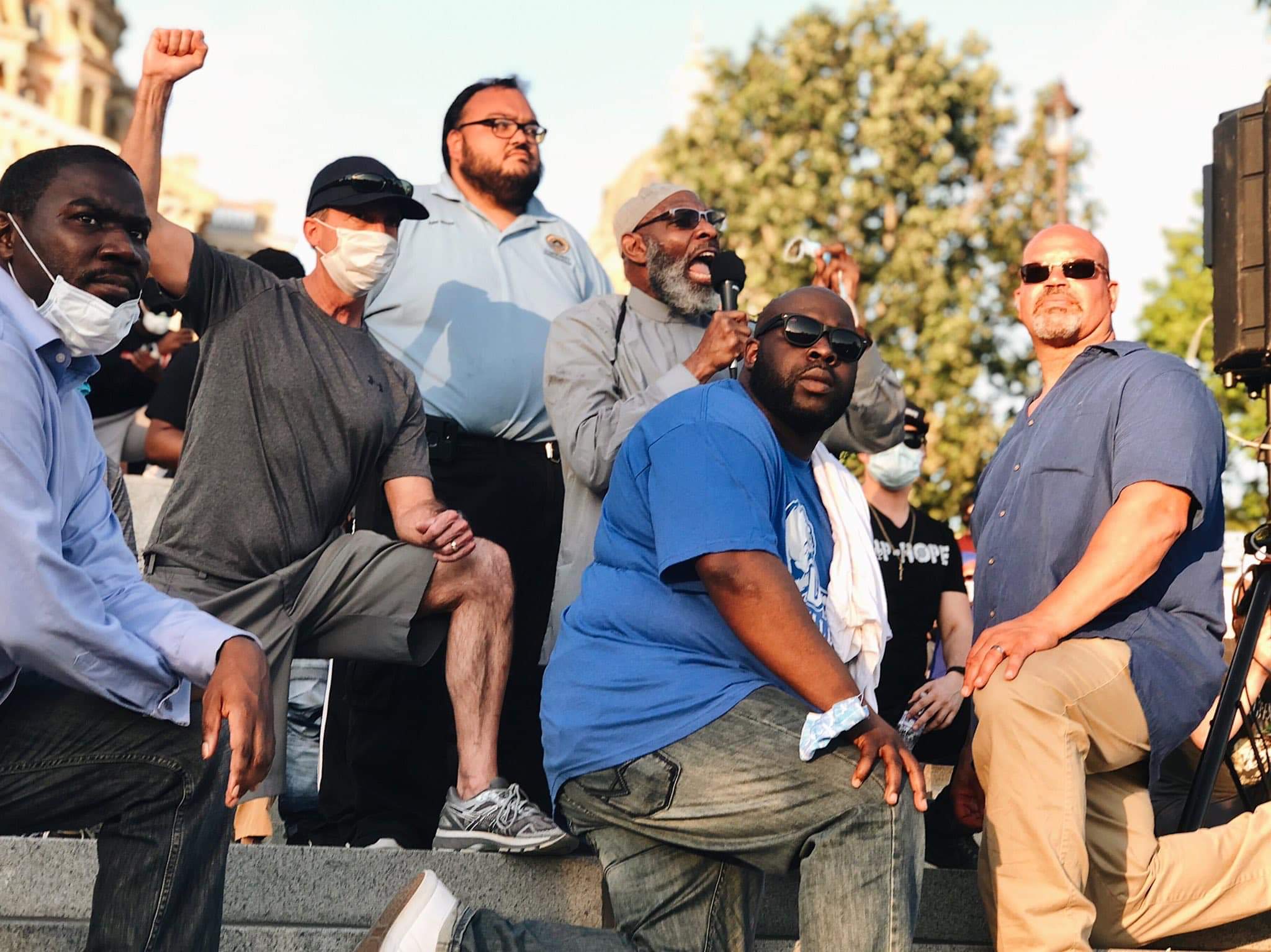
# Rob Johnson


Who's who in the Iowa House for 2026

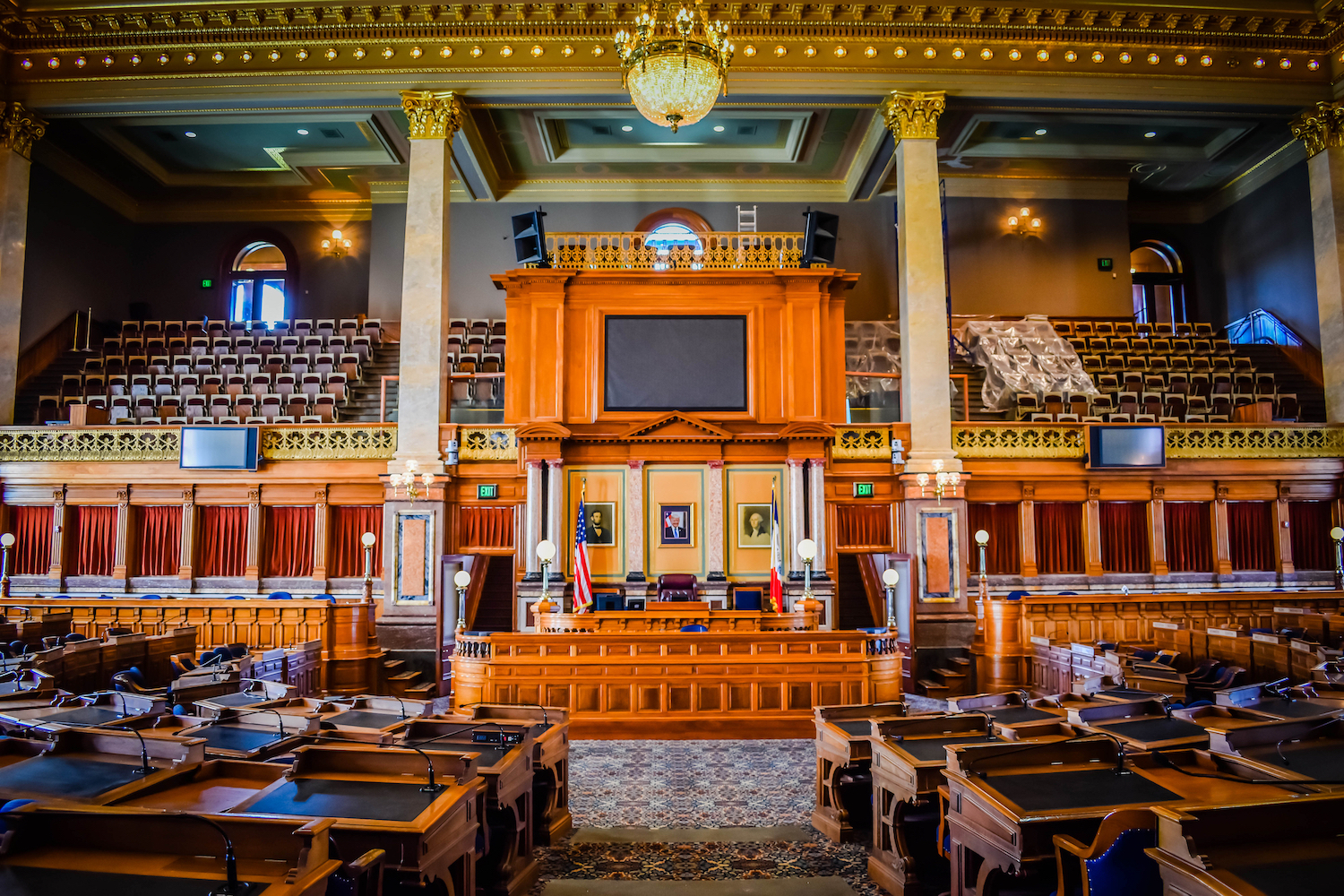
Normally, big changes in the Iowa legislature happen the year after a general election. But there has been much more turnover than usual in the Iowa House since last spring. With two Republicans running for Congress and another resigning from the legislature to take a Trump administration job, a chain reaction leaves ten House committees with a different leader for the 2026 session.

The overall balance of power remains the same: 67 Republicans and 33 Democrats in the chamber. Each party has some new faces in the leadership team, however. All of those details are listed below, along with committee assignments and background on all committee chairs and ranking members. As needed, I’ve noted changes since last year’s session.

Nineteen House members (fourteen Republicans and five Democrats) are serving their first term in the legislature—three more than in 2025, due to special elections that happened last March, April, and December.

The number of women serving in the chamber crept up from 27 at the beginning of 2025 to 29 as of January 2026, since Democrat Angel Ramirez succeeded Sami Scheetz in House district 78 and Republican Wendy Larson was elected to replace Mike Sexton in House district 7. The ratio of 71 men and 29 women is the same as during the 2024 session.

Six African Americans (Democrats Jerome Amos, Jr., Ruth Ann Gaines, Rob Johnson, Mary Madison, and Ross Wilburn, and Republican Eddie Andrews) serve in the legislature’s lower chamber. Gaines chairs the Iowa Legislative Black Caucus.

Republican Mark Cisneros became the first Latino elected to the Iowa legislature in 2020, and Democrat Adam Zabner became the second Latino to serve in the chamber in 2023, and Ramirez the chamber’s first Latina member in 2025.

Republican Henry Stone became the second Asian American ever to serve in the House after the 2020 election. Democrat Megan Srinivas was first elected in 2022. The other representatives are white.

Three House members identify as part of the LGBTQ community: Democrats Elinor Levin and Aime Wichtendahl, and Republican Austin Harris. As for religious diversity, Levin and Zabner are Jewish. Srinivas is Hindu. The chamber has had no Muslim members since Ako Abdul-Samad retired in 2024.

Some non-political trivia: the 100 Iowa House members include two with the surname Meyer (a Democrat and a Republican), two Johnsons (a Democrat and a Republican), and a Thompson and a Thomson (both Republicans).

As for popular first names, there are four men named David (one goes by Dave), three named Thomas or Tom, three Roberts (two Bobs and a Bobby), a Jon and a John, a Josh and a Joshua, a Mike and a Michael, and two men each named Jeff, Dan, Brian, Steven, Chad, Austin, and Mark. There are also two Elizabeths (one goes by Beth) and two women each named Jennifer, Heather, Megan, and Shannon. As recently as 2020, four women named Mary served in the Iowa House, but now there is only one.

Continue Reading...
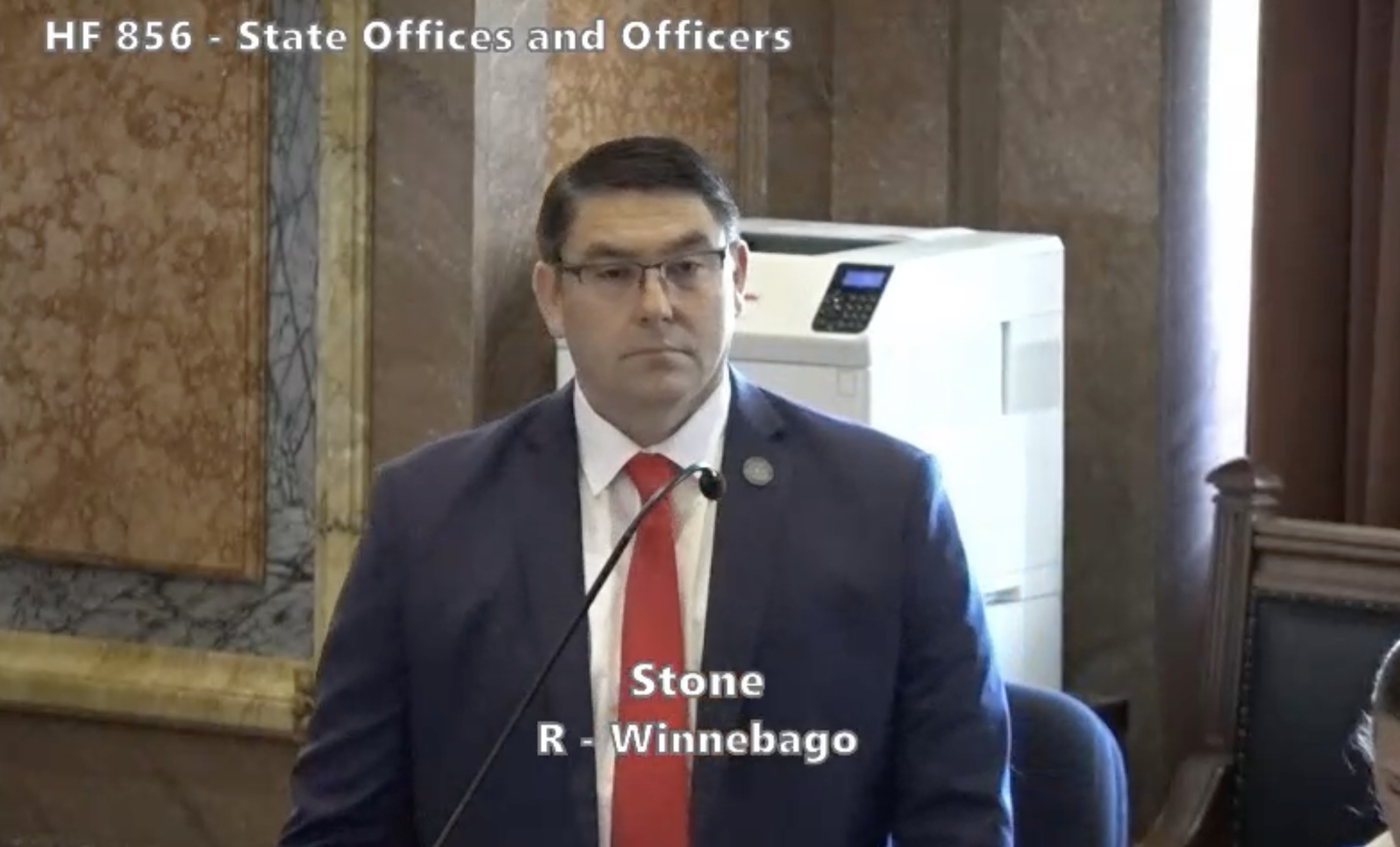
Diversity, equity, and inclusion are divine imperatives, not political conveniences

The Rev. Lizzie Gillman is an Episcopal priest in Des Moines serving St. Andrew’s Episcopal Church and the Beloved Community Initiative of the Episcopal Diocese of Iowa. She recently sent versions of this message to Republican members of the Iowa House, after the chamber approved House File 856, banning public entities and institutions from diversity, equity, and inclusion activities.

Dear Iowa House Republicans,

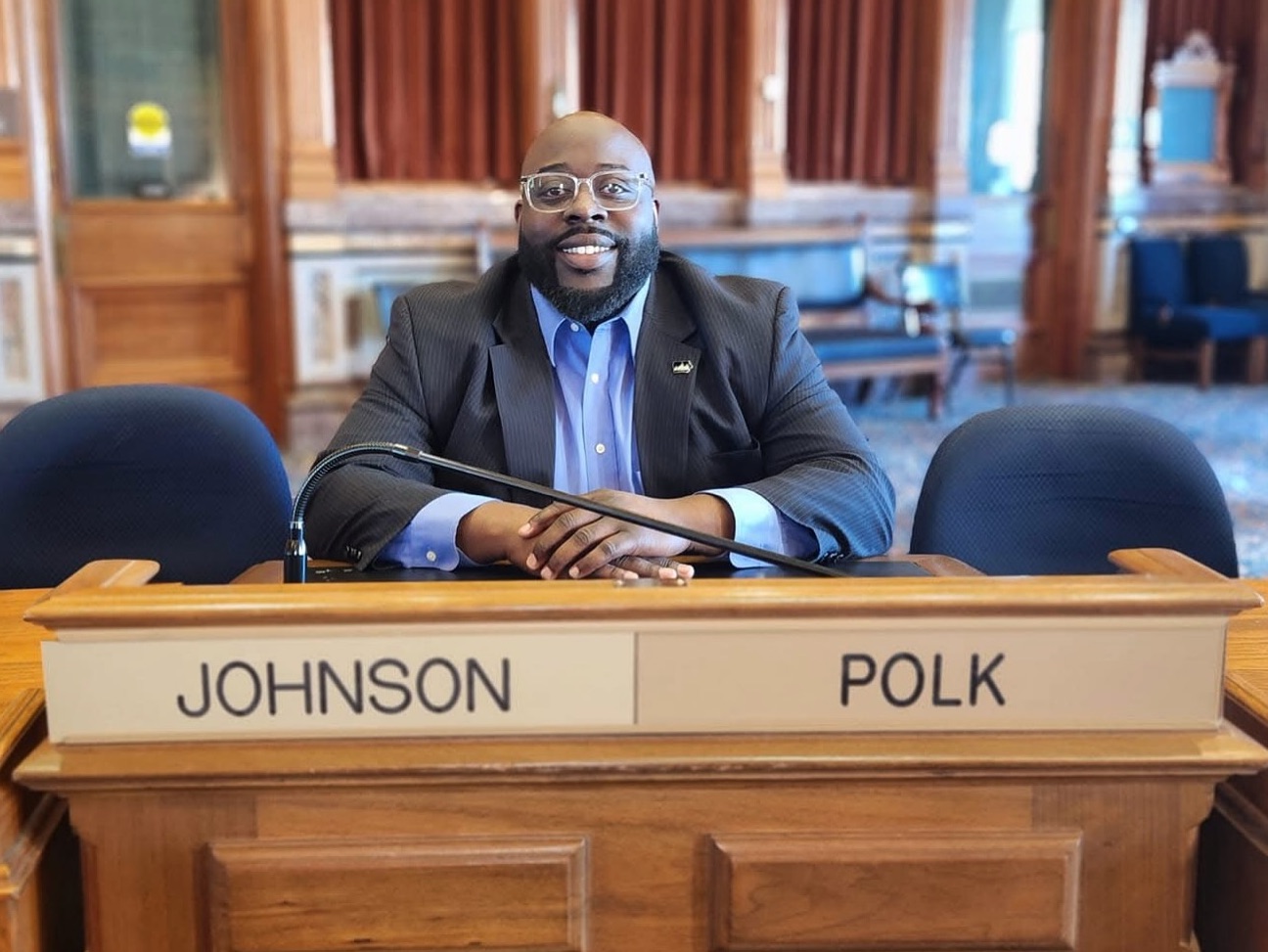
Your brilliant and faithful colleague, Representative Rob Johnson, shared a photo of today’s vote on HF856, and I see that you once again voted against Iowa being a diverse, equitable, and inclusive state. With your “green” vote, you joined those who continue to deny the truth that every Iowan, no matter their race, gender, or background, belongs and deserves dignity.

I am a woman who is able to serve as an ordained Episcopal priest because the Black Church – rooted in resilience, liberation, and justice—affirmed the gifts and calls of women long before many white institutions did. A few faithful white men stood in solidarity, helping to open the doors of pulpits and altars that had long been closed to women. The progress that allowed me to stand at the altar and proclaim God’s Word was born not from exclusion, but from courageous inclusion.

Continue Reading...

Mixed picture for diversity in Iowa's 2025 legislature

Fourteenth in a series interpreting the results of Iowa’s 2024 state and federal elections.

As Iowa legislature began its 2025 session on January 13, members of the LGBTQ community held more seats than ever, and representation for people of color matched the record set following the 2022 elections.

However, fewer women now serve in the Iowa House and Senate. Religious diversity will also decline, even though State Senator Janice Weiner became the highest-ranking Iowa legislator to adhere to a non-Christian faith tradition.

Continue Reading...

Abdul-Samad retiring, Rob Johnson running in Iowa House district 34

Left: State Representative Ako Abdul-Samad in February 2024. Right: Rob Johnson (photos cropped from their Facebook pages)

The longest-serving Black legislator in Iowa history will retire at the end of this year. State Representative Ako Abdul-Samad announced on February 15 that he will not seek another term in the Iowa House, Stephen Gruber-Miller reported for the Des Moines Register.

Abdul-Samad has represented part of the city of Des Moines since 2007. Speaking at a Black History Month event at the capitol, he explained his decision:

Continue Reading...

No Justice No Peace: Elections, actions, and activism

Rob Johnson, Al Womble, and Eddie Mauro of the New Frontier Fund jointly authored this commentary. The No Justice No Peace PAC is online at www.njnppac.com. -promoted by Laura Belin

History is a curious thing. Our understanding of our past changes with time – moving through phases where our perception shifts, evolves and deepens. This examination of our history is constant, and it happens in the public sphere through discussions via social media, the news, commentary, and politics.

We are in the midst of a significant reorganization and shift in how we see, hear, and experience the history of race in America. It’s colliding with a time when Americans fundamentally re-evaluate how we relate to our institutions of government, our neighbors, and our local communities.

This confrontation is messy. It’s fraught with conflict. And it’s necessary.

Continue Reading...