
Deborah Thompson is the Owner of DHT Consulting & Training, LLC and a long-time public health advocate. She is president-elect of the Iowa Public Health Association but is offering her personal opinions here, not speaking on behalf of the association.
Every political season brings a new health priority, slogan, or bill promising to improve the well-being of Iowans. This year, Iowa joined the national “Make America Healthy Again” (MAHA) movement with the passage of House File 2676.
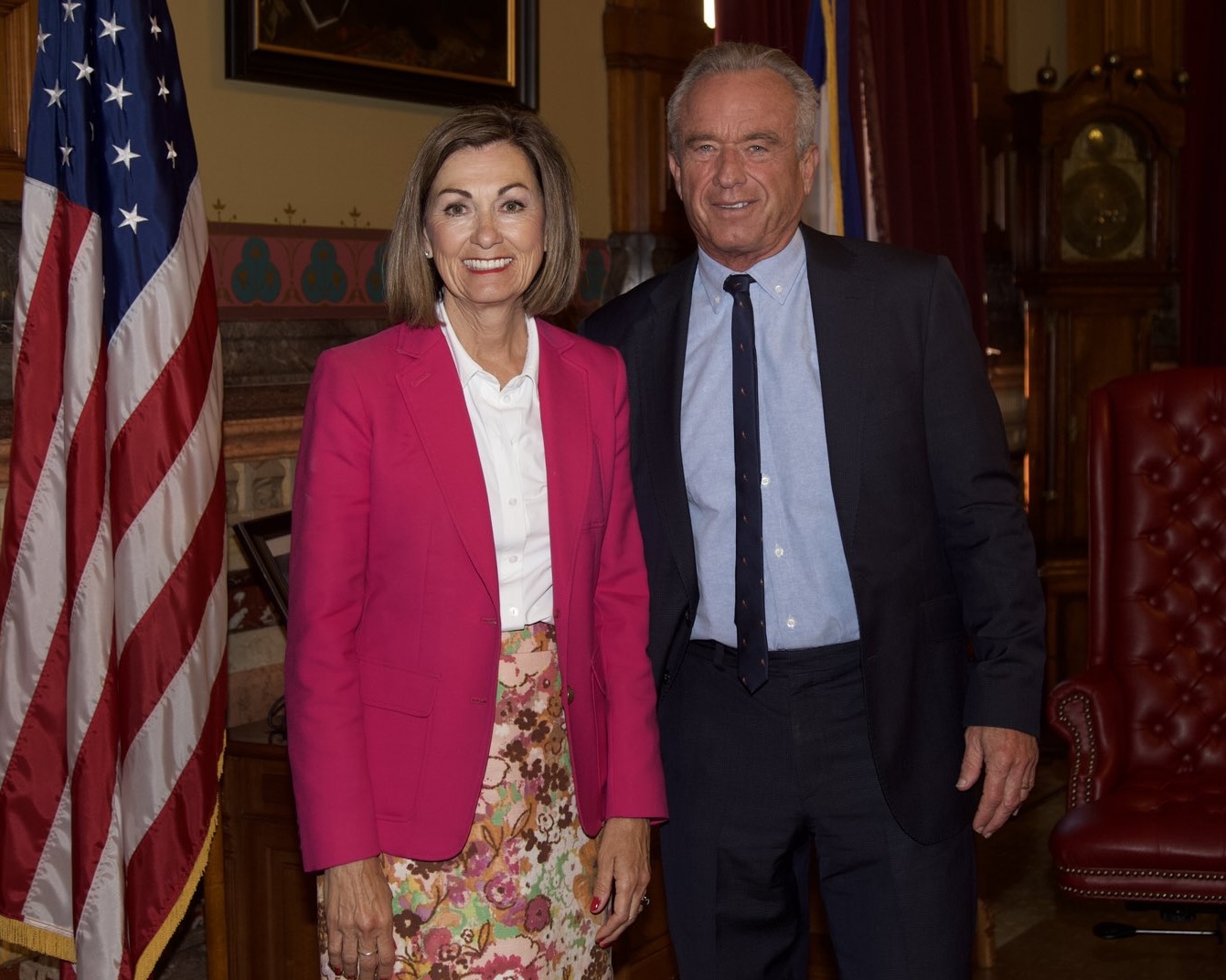
U.S. Secretary of Health and Human Services Robert F. Kennedy Jr. joined Governor Kim Reynolds at the May 20 bill signing. The law reflects growing public concern about nutrition, food ingredients, physical activity, and chronic disease. Our candidates for governor and Congress are talking about health, too. Enough to bring RFK back to our humble state this past week to campaign for MAHA candidate Zach Lahn, the GOP nominee for governor.
The attention is welcome, but if Iowa is truly committed to becoming healthier, a more important question remains: What happens after the headlines fade?
Chronic disease does not operate on election cycles. It develops over decades through the environments where people live, work, learn, and age. Improving health requires more than fleeting political momentum. It requires a lasting culture of health supported by a strong public health system focused on education, prevention, and accountability.
This is where public health differs from health care. Health care treats illness. Public health prevents it. Iowa needs both, but our political conversations often focus on the first while overlooking the second.
Nearly every leading cause of death in Iowa is driven in whole or in part by chronic disease. Heart disease remains the leading cause, followed closely by cancer, long-term lung disease, stroke, Alzheimer’s disease, and diabetes. Many of these conditions share common risk factors including tobacco use, poor nutrition, physical inactivity, unmanaged blood pressure, limited access to preventive care, and unmet behavioral health needs.
These outcomes are not evenly distributed. Rural communities often face shortages of licensed health care providers. Economically, an unhealthy workforce makes it difficult to attract needed investment. Families with lower incomes frequently encounter limited access to affordable healthy foods, safe places to exercise, reliable transportation, and preventive health services. These non-medical factors shape whether people have the opportunity to make healthy choices long before they enter a doctor’s office.
Pushing the narrative of individual responsibility is not enough. Personal choices matter, but those choices are influenced by whether or not the healthy choice is the easy choice. A parent cannot choose fresh produce if the nearest grocery store is miles away from their neighborhood. A worker cannot schedule preventive appointments if taking time off means losing wages. A rural resident cannot receive timely behavioral health care when the nearest provider is hours away or booked for months.
Health care systems cannot solve these challenges alone. Businesses, schools, nonprofit organizations, law enforcement, local governments, and elected officials all shape the conditions that make healthy choices realistic. Convening, managing, and sustaining the work requires a strong governmental public health system staffed by professionals with the training, experience, and community relationships needed to translate evidence into action.
If Iowa hopes to reverse its chronic disease burden, efforts have to continue beyond awareness campaigns and short-term election cycles. Chronic disease drives health care costs, strains the workforce, reduces productivity, and affects the vitality of Iowa’s communities.
Health policy deserves the same attention as taxes, education, or infrastructure, because health affects every one of those issues. Voters hold tremendous influence. State legislators, the governor, and county supervisors, all elected by your votes and are all responsible for sustained, long-term investments in prevention and use of evidence-based public health methods. Supporting leaders who prioritize prevention, evidence-based policymaking, and long-term investment in public health infrastructure is essential to creating the conditions that allow Iowans to live healthier lives.
The MAHA legislation has created an opportunity to refocus attention on chronic disease, but legislation alone will not lower blood pressure, reduce obesity, prevent diabetes, or decrease suicide rates. A healthier Iowa will not be built through symbolic moments or partisan victories. It will be built through sustained partnerships, evidence informed policy, and communities where healthy choices are accessible to everyone, no matter your zip code, no matter your resources.
Chronic disease did not become Iowa’s greatest health challenge overnight, and it will not be solved by one law, one administration, or one election. Lasting improvements will come from communities that make healthy choices easier, public policies grounded in evidence, and sustained investments in prevention. Politics may start the conversation, but only a true culture of health will change the outcome.
As candidates ask for our votes, perhaps voters should ask one simple question: What long-term investments will you make today so that Iowa is healthier ten years from now?
Top photo was first published on Governor Kim Reynolds’ official feed on X on May 20, 2026.
1 Comment
Thank you, Deborah Thompson.
And thanks for doing work in Iowa that must be very hard.
PrairieFan Sat 29 Aug 6:55 PM