
James Martin-Schramm is Senior Policy Analyst for the Clean Energy Districts of Iowa.
Iowans went to the polls amid widespread concern about the cost of living. The election results weren’t a mandate for any particular energy policy, but they sent a clear message: affordability, fairness, and accountability matter. Those priorities should guide Iowa’s decisions about its rapidly changing electricity system.
The Clean Energy Districts of Iowa (CEDI) recently completed analyses of 2025 electric utility data, comparing average bundled revenue per kilowatt-hour—the revenue utilities collect from each customer class—among Iowa utilities and sixteen large investor-owned utilities across the Upper Midwest. These revenues collected by utilities, of course, are costs experienced by ratepayers.
The results deserve attention. Alliant Energy’s Iowa residential customers paid 17.77 cents per kilowatt-hour, compared with 11.21 cents for MidAmerican customers—a 58 percent difference. For commercial customers, the gap was even larger: 14.86 cents versus 8.99 cents, a 65 percent difference. Alliant’s residential and commercial averages also exceeded the medians for Iowa municipal utilities and rural electric cooperatives.

The regional comparison is equally revealing. MidAmerican ranked lowest among the sixteen investor-owned utilities in all three customer classes. Alliant’s Iowa subsidiary, Interstate Power and Light, ranked 10th for residential costs, 11th for commercial costs and eighth for industrial costs. Its industrial average of 8.75 cents was still 35 percent higher than MidAmerican’s 6.47 cents.
These figures represent average bundled revenues/costs–not identical prices for every customer. Usage patterns, customer mix and demand charges matter. Nevertheless, why are Alliant’s residential and commercial customers paying so much more, on average, than MidAmerican’s?
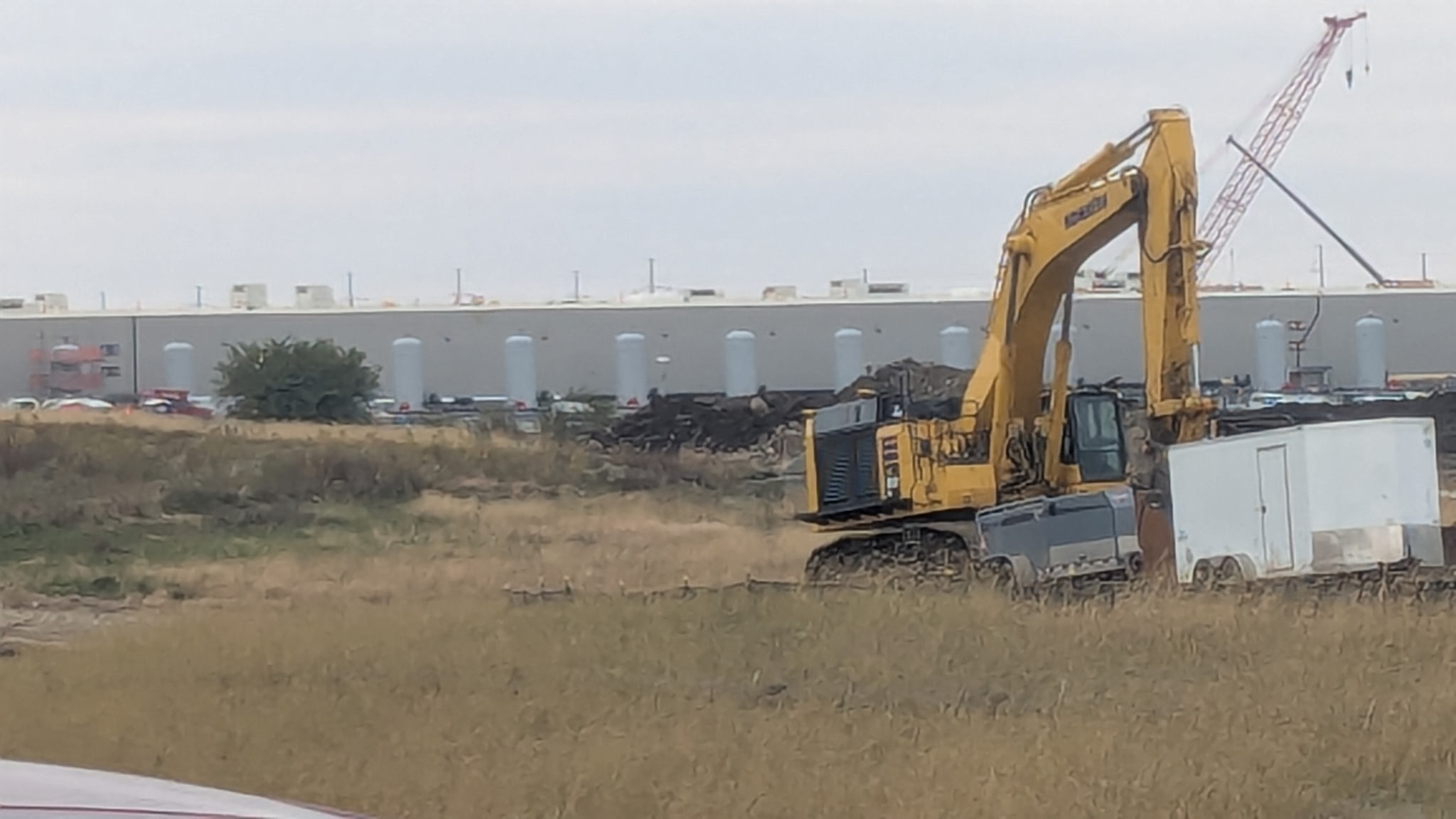
The question takes on added urgency as Alliant pursues enormous new electricity customers. Google and QTS are constructing major data center projects at Cedar Rapids’ Big Cedar Industrial Center. Alliant has now filed a third application under its Individual Customer Rate tariff, involving a second Google campus at Big Cedar. Its latest resource evaluation study now projects that the 1,275 megawatts (MW) of natural gas generation needed to serve 2 gigawatts (GW) of new load could grow to 4,700 MW if emerging data center demand increases by 6 GW. Alliant has identified preferred sites for approximately 2,800 MW of this new generation, but the remaining sites are unnamed.
Iowa has much to offer data center developers: inexpensive land, wind energy, a reliable electric grid, water resources, competitive construction costs and, to date, substantial tax incentives. Alliant has also developed industrial parks and a special rate mechanism to attract large electricity users.
But that mechanism deserves scrutiny. Alliant’s Individual Customer Rate tariff is available to customers with at least 25 MW of demand and an 80 percent load factor. It allows negotiated demand and energy charges based on incremental costs or market prices. Alliant says these arrangements protect existing customers by requiring new customers to pay the costs they create.
The problem? The actual service agreements are strictly confidential. The public cannot readily determine what data centers pay, how those rates compare with standard industrial rates, or whether new customers bear the costs and long-term risks associated with generation and transmission system capacity.
Paying the incremental cost of serving a new customer isn’t necessarily the same as paying a fair share of the entire electric system. Large, steady loads can help spread fixed costs, but who pays if the projected demand never materializes? Is it fair for enormous corporations to negotiate individual rates that may be lower than those paid by Iowa manufacturers, while households and small businesses face comparatively high electricity costs?
Iowa’s new governor and legislature should hit the “pause” button on data centers and insist on transparent answers to these key questions. Data centers can bring investment and jobs, but economic development shouldn’t mean subsidizing huge corporations through higher electricity bills, hidden financial risks, or public incentives that outweigh the benefits.
Every large customer should pay the full costs it causes, make enforceable long-term commitments, and contribute fairly to the shared electric system.
True economic success cannot occur if wealthy corporations reap all of the rewards while Iowa ratepayers bear all the risk.
1 Comment
given the complete lack of political
will of our Iowa leadership around the ethanol sinkhole that we are all sliding into the only way we will likely get out of poisoning ourselves is to join the rest of the world in the race towards electrification and green energy. We need much more wind and solar (including plugin/balcony) and with Trump’s support waning perhaps some Repugs will be on board, seems more likely than them legalizing marijuana. Putting our eggs in the AI data center bucket while the funding for them is crumbling and the public hate it is (as the kids say) a choice…
https://e360.yale.edu/features/2026-midterm-elections-states-environment
dirkiniowacity Fri 13 Nov 3:48 PM