
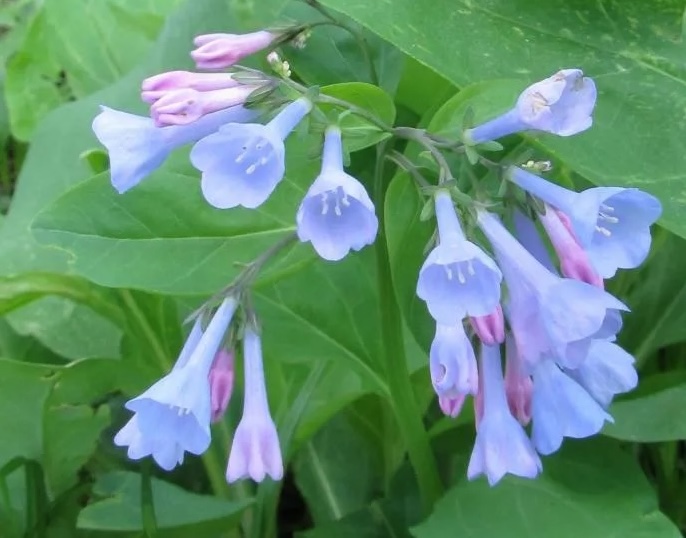
One of my Thanksgiving rituals has nothing to do with cooking or eating. For the past fifteen years, I’ve closed out Bleeding Heartland’s “Iowa wildflower Wednesday” series as this holiday approached.
I never expected to spend professional energy on curating a nature series. The seeds were planted on Mother’s Day in 2009, when my family attended a picnic at Whiterock Conservancy. Then-staffer Elizabeth Hill took us on a hike and pointed out many native plants blooming. My then three-year-old was fascinated by the Jack-in-the-pulpits.
Those were among the few wildflowers I could identify at that time. My son was excited to hear we had some “Jack flowers,” as he called them, growing near our house in Windsor Heights.
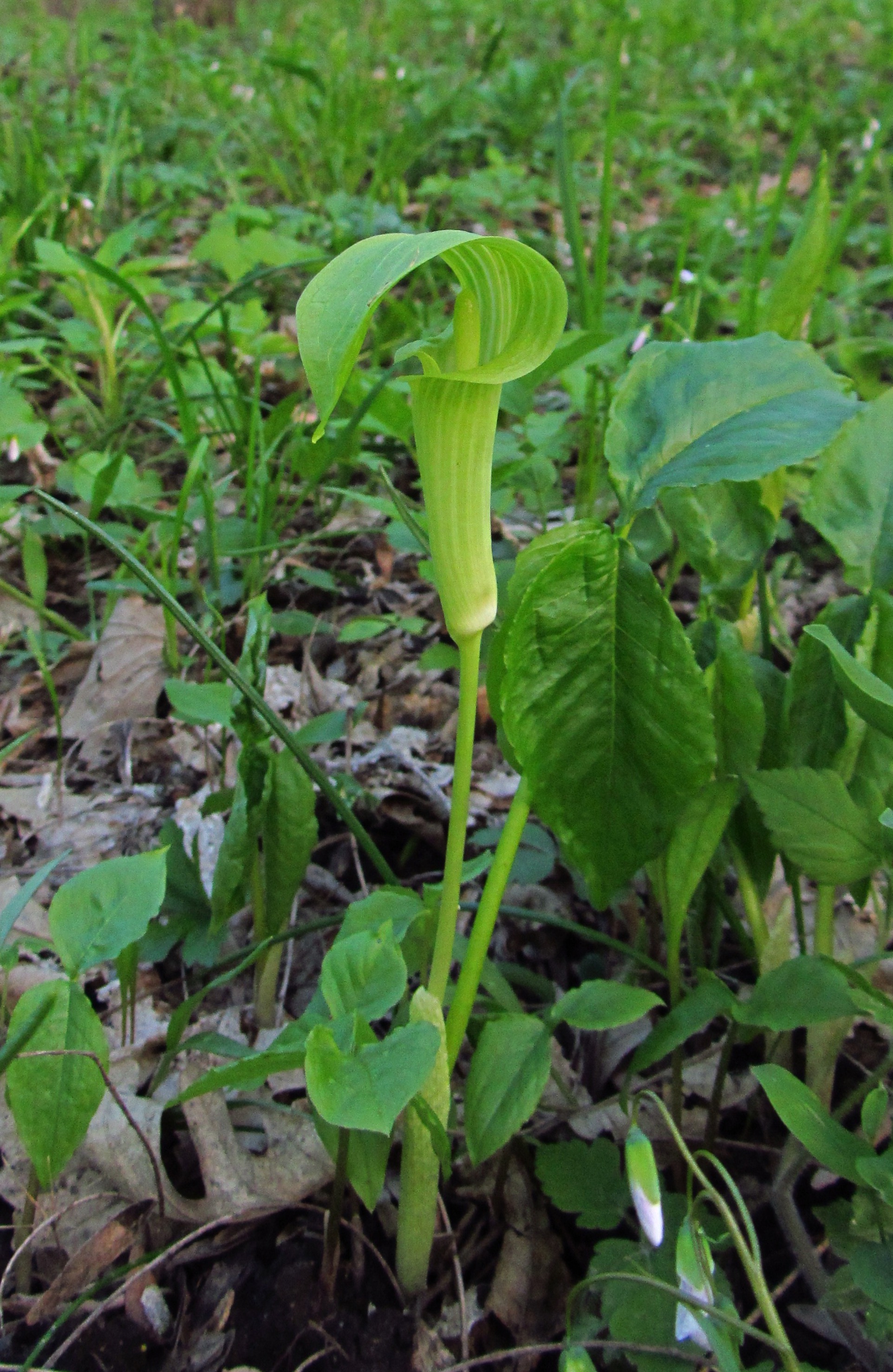
Jack-in-the-pulpit in my yard. Near the lower right, some spring beauty flowers will open soon
That spring and summer, my son and I scoped out the plants in our yard and along the neighborhood bike trail. Over the next several years, he remained interested in plants—he would say he was going to be a botanist when he grew up. I picked up some wildflower guides to learn the names of more flowers we encountered on our walks.
Spring came early in 2012. When the bloodroot started blooming, I launched Iowa wildflower Wednesday, thinking it would be a fun occasional series.
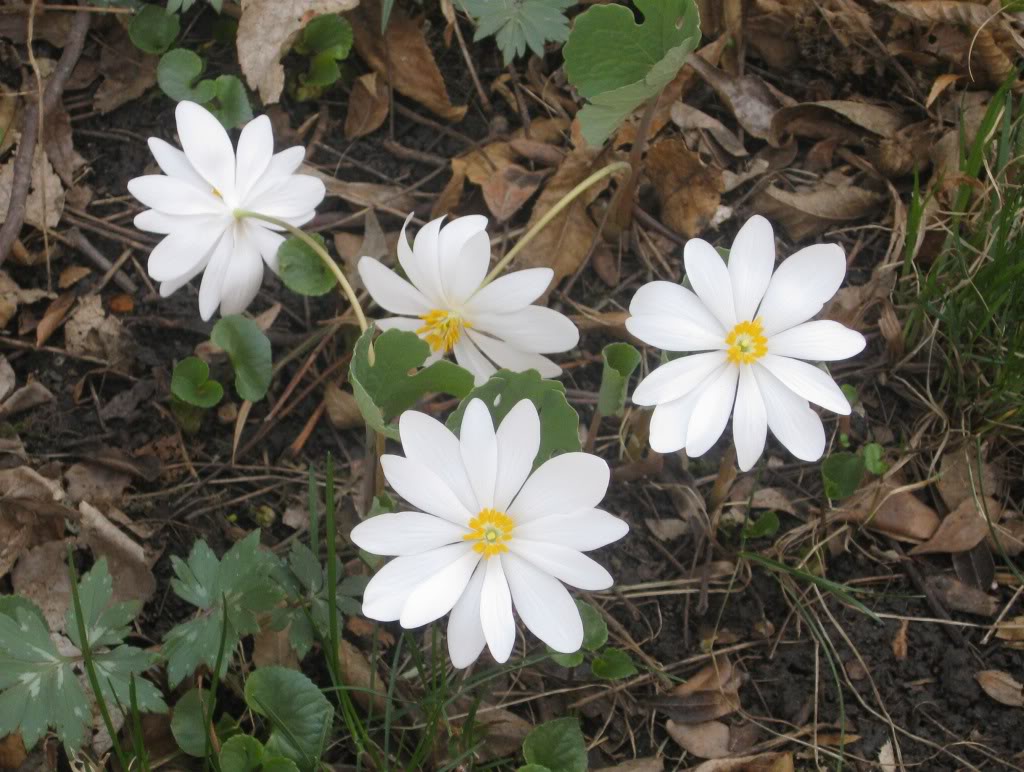
Photo of bloodroot flowers, from the first Iowa wildflower Wednesday post
I started bringing my camera on bike rides in case I found something new. I explored more parks and trails around central Iowa, and sometimes farther afield, looking for wildflower material. Mike Delaney’s restored Dallas County prairie was a regular source of inspiration.
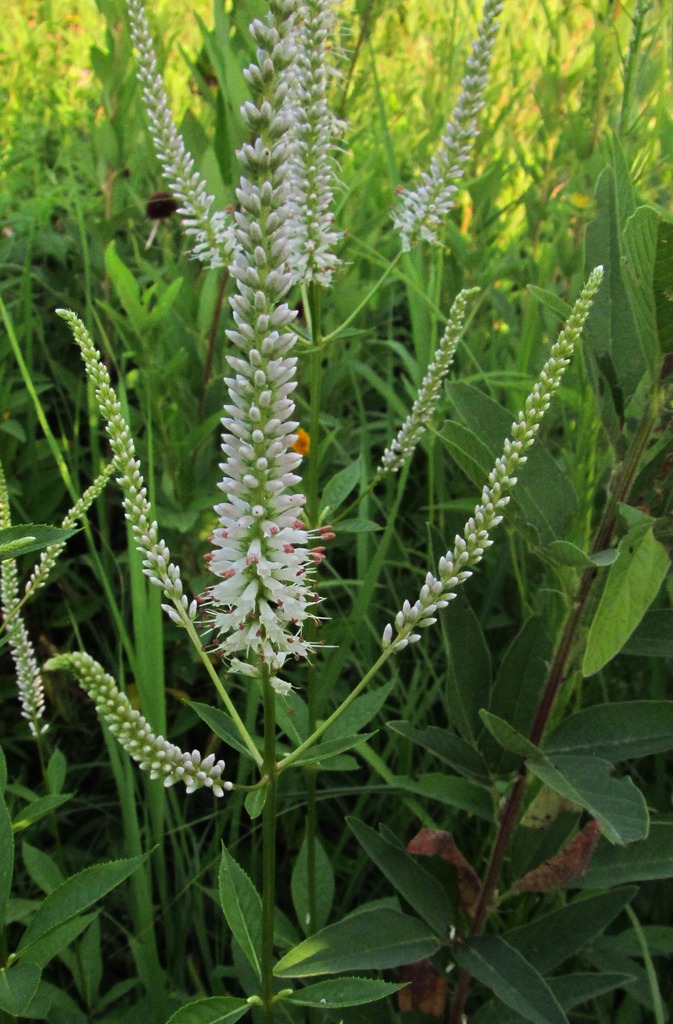
Culver’s root blooming on Mike Delaney’s restored Dallas County prairie
Eileen Miller was my first guest author and photographer for the wildflower series. She showed me around some trails at Whiterock Conservancy and Dolliver Memorial State Park.

One of Eileen Miller’s photos of blue cohosh blooming at Dolliver
Through Facebook I met other nature lovers, who (like Eileen) took much better pictures than I can. Lora Conrad became an occasional wildflower Wednesday guest author in 2017. Katie Byerly began writing photo essays for my website in 2018.
Dozens of talented photographers have contributed the majority of the Iowa wildflower content over the past few years. I’m continually grateful for their efforts and proud to publish their work from every corner of the state.
Patrick Swanson sends dispatches from southwest Iowa.

One of Patrick Swanson’s photos of Slenderleaf false foxglove, an intriguing hemiparasitic plant
From northwest Iowa, James Enright scours never-plowed lands, and Bruce Morrison showcases a variety of plants from his restored prairie and nearby natural areas.

Prairie onion, photographed by James Enright at one of northwest Iowa’s prairie cemeteries

One of Bruce Morrison’s photos of fringed puccoon
Katie Byerly and Kenny Slocum have shared incredible finds from northeast Iowa. It took Katie three summers to find Northern Monkshood, one of the rarest wildflowers.

From Katie Byerly’s phenomenal post about Northern Monkshood, a wildflower few will encounter “in real life”

Kenny Slocum did a lot of sleuthing trying to ID this rare plant (experts helped him confirm it is Round-stemmed false foxglove)
From southeast Iowa, Diane Porter has generously allowed me to republish many essays from her newsletter My Gaia, a wonderful resource for anyone interested in birds or wildflowers.

Diane Porter’s photo of a Ruby-throated hummingbird visiting Rough blazing star
From Iowa’s southeast corner, Lora Conrad has written about a few plants that don’t grow anywhere else in the state. Those include Pawpaw and Sassafras, a small tree.

Sassafras flowers, photographed by Lora Conrad
Over the past fifteen years, Iowa wildflower Wednesday has featured at least 292 species, including many rare ones, such as naked broomrape, putty-root orchid, small white lady’s slipper, grass of Parnassus, and Iowa golden saxifrage.
I also enjoy bringing readers close looks at some prevalent, underappreciated native plants—common evening primrose, pokeweed, wild ginger, American burnweed.
Guest authors and I have occasionally written about noxious weeds or unpleasant natives, to help readers learn how to eradicate them (garlic mustard) or keep a safe distance (poison hemlock, wild parsnip, poison ivy).
Although wildflower installments are typically low-traffic (among the least-viewed posts I publish most weeks), many people have told me the series is their favorite thing about Bleeding Heartland. I sense that for readers—as for me—these essays and photographs provide respite from the sometimes dispiriting political world.
All posts in the Iowa wildflower Wednesday series can be found here (the most recent are at the top). This page links to hundreds of posts that showcase one species, alphabetized by the plant’s common name. This page links to more than 50 posts showing a variety of wildflowers from one park, trail, or natural area.
Speaking of which, Lora Conrad took readers on a walk through the Croton Unit of Shimek State Forest in the spring of 2022. Located to the southwest of the Iowa Army Ammunition Plant, Shimek was in the projected path of the lead plume from the Army’s detonation on November 25. Here’s hoping that the EPA’s initial readings are correct, and little to no lead dust will be deposited over this unique site, “one of Iowa’s premier birding locations.”
My son’s in college now, studying astrophysics rather than botany. He still enjoys seeing new or unusual wildflowers, though. I’m so thankful that his enthusiasm for nature pushed me to learn more, and eventually to share some of my finds with readers.
Writing about politics will always be my passion. But I hope to keep Iowa wildflower Wednesday going for many years to come. The series will return in the spring of 2027.