
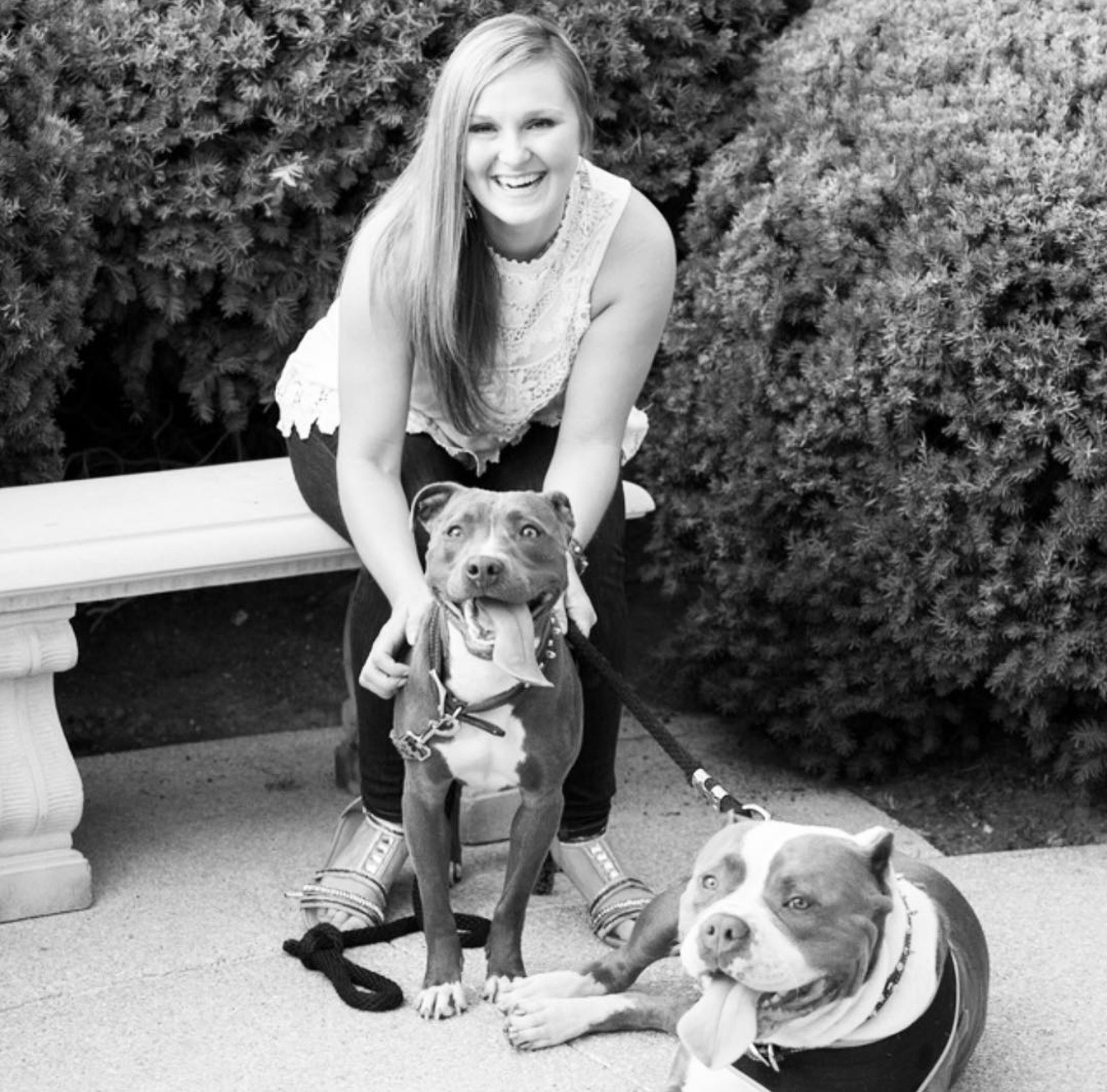
Tiffany Allison is the founder of the Soaring Hearts Foundation. A survivor of domestic violence, victim advocate, and public speaker, she has received multiple awards for her leadership including a Congressional Medal of Merit and Guardian of Victim Victims’ Rights Award.
With domestic violence at an all-time high in Iowa, why is the Senate tabling a bill that would help protect victims and their pets?
It’s been three weeks since Majority Leader Mike Klimesh placed Senate File 2099 on the unfinished business calendar. The Iowa House unanimously passed the companion bill on felony animal cruelty in early March, but still no vote by the Senate. Under current Iowa law, acts of animal torture are still treated as misdemeanors, making Iowa the only state that has not elevated animal torture to a felony.
Felony level accountability matters because it can create earlier intervention points before violence escalates to human victims. It also strengthens prosecution in cases involving stalking, assault, and domestic violence. When we fail to take animal abuse seriously, we fail victims and survivors. When we act early, when we hold offenders fully accountable, we create opportunities to interrupt cycles of violence before they become fatal. Animal torture is violence. Protecting animals is protecting people. Full stop.
Animal torture is often dismissed as cruelty, but those who have survived domestic violence know it is far more than that. It is terror. It is coercive control. It is a warning. And all too often, it is treated as if it exists in a vacuum, separate from the abuse of women, children, and families. In reality, it is one of the clearest red flags of dangerous, escalating violence.
I know what it means to live in fear of what someone is capable of. Survivors understand that abuse is not only about bruises or broken bones. It is about domination. It is about using whatever, or whoever, someone loves to create fear, obedience, and silence. Abusers do not hurt animals because they are “angry” or because they “lost control.” They know exactly what they are doing. They do it because causing pain to something innocent, especially something they can control, gives them power.
When an animal is tortured in a home, it is not an isolated act. It is part of a pattern. It is often a rehearsal for greater violence or a weapon used to emotionally destroy the people trapped in that environment. For many survivors, a beloved pet is not “just an animal.” That pet is comfort, stability, safety, and often the only source of unconditional love in a home filled with chaos, fear and brutality. When an abuser harms that animal, they are not only inflicting pain on the animal—they are inflicting profound psychological trauma on everyone forced to witness it or live with its aftermath.
Children who see an animal abused do not forget it. Survivors do not forget it. The sound, the fear, the helplessness, those things live in the body long after the moment is over. Animal torture leaves massive trauma behind for the animal and its human counterparts. And when systems fail to take it seriously, they send a devastating message: that some forms of violence do not matter until a human body is next.
As a survivor and advocate, I need people to understand this: when you ignore violence against animals, you are often ignoring violence against people too. The family pet is not collateral damage. The family pet is often part of the abuse story.
People want to look away because this is ugly. Because this is disturbing. Because this forces us to confront a level of cruelty most people don’t want to believe exists. But survivors don’t have the luxury of pretending. We know what violence sounds like behind closed doors. We know how often the world misses the signs. We know how often people dismiss dangerous behavior until there is a dead woman, a traumatized child, or a headline everyone suddenly wants to care about.
By then, it is too late.
We have got to stop treating animal torture like some secondary offense, like it is less urgent because the victim has four legs instead of two, fur instead of skin. That mindset is not only cruel, it’s dangerous. People who torture animals are telling us something. Loudly. Clearly. Repeatedly. They are showing a willingness to inflict pain for power, pleasure, punishment, or control. And if we are honest, we know that does not stay contained.
Violence does not compartmentalize itself for our comfort.
How many times do we need to hear that “nobody saw it coming” when the signs were there all along? How many abused women have to say, “He hurt the dog first”? How many children must carry the memory of an animal screaming while adults call it a “family issue”?
Animal torture should horrify us, not just because of what it does to animals, but because of what it reveals about the person doing it and the danger they pose to everyone around them.
Animal torture is not a warning sign we can afford to dismiss. It is not a private matter. It is not “just how some people are.” It is one of the clearest windows we have into dangerous, escalating abuse and every time we fail to take it seriously, we fail every victim living in fear under the same roof.
If we want to prevent violence, we must be willing to name it early. We must stop separating “animal cruelty” from “family violence” as though they are not often intertwined. We must build systems that understand that pets are part of safety planning, part of trauma, part of coercive control, and part of the abuse story. We must prosecute these cases like they matter, because they do.
And maybe most of all, we must stop looking away because it’s easier.
Because survivors are telling you the truth: If someone can torture an animal, believe what that means.
Believe what else they are capable of.
And for once, before the next body, before the next funeral, before the next child has to testify…do something about it. What are Iowa senators waiting for?
1 Comment
Why is Iowa the only state that has failed to do what is so needed and makes so much sense?
I can certainly understand, after reading this essay, why Tiffany Allison has been given awards. After Senator Mike Klimesh’s performance during this session in regard to this and some other bills, he may deserve a few “awards” also. But not the same kind.
PrairieFan Thu 9 Apr 1:05 PM