
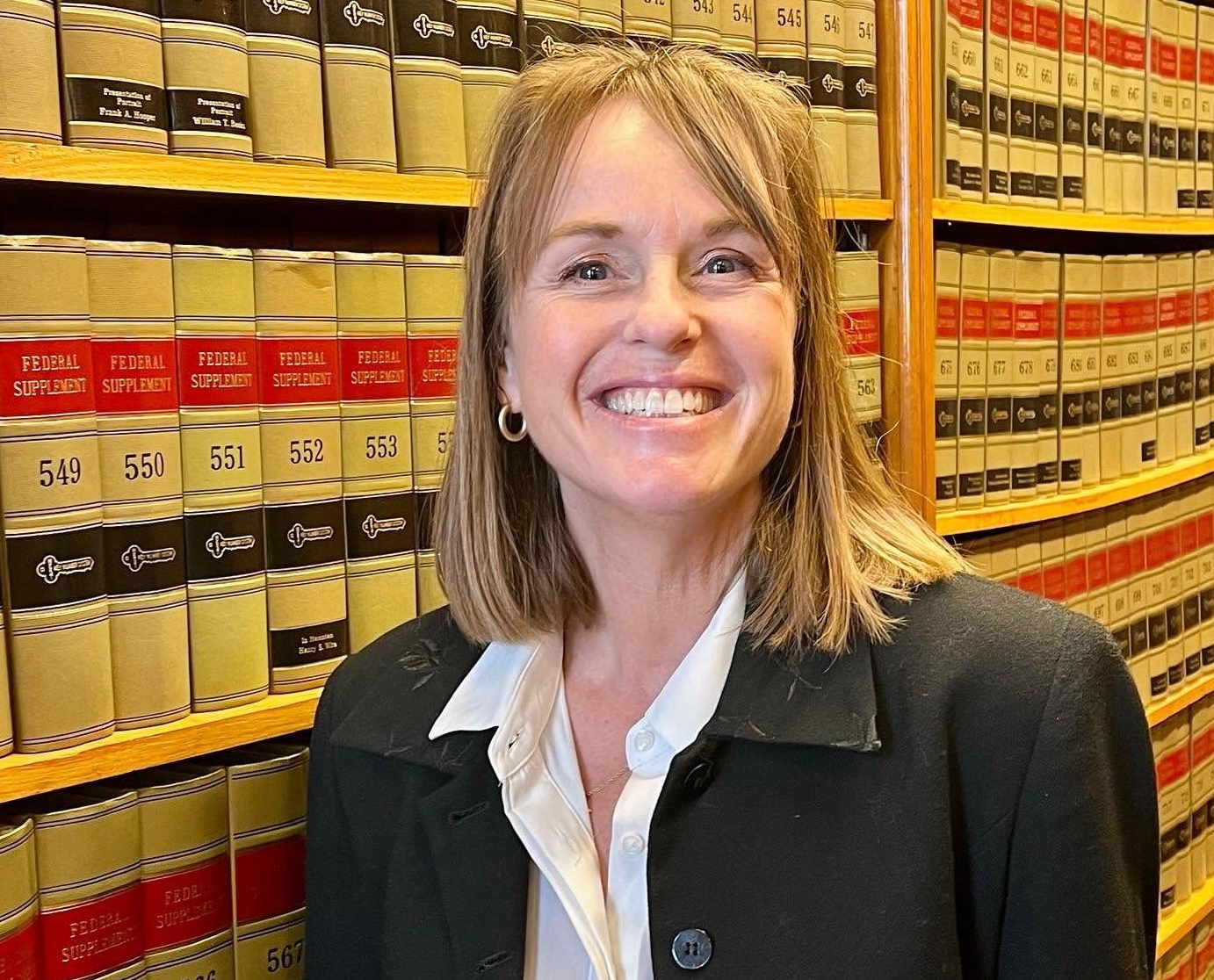
Molly Buck is a public school teacher, Democratic candidate for House District 41, and former Iowa state representative.
I’ve been a teacher for more than 30 years, and I can tell you that teaching in Iowa today looks very different from when I first arrived.
When I started teaching, I thought I’d found an educator’s dream. Iowa’s schools were among the best in the country. We had well-funded classrooms and an Area Education Agency system that provided incredible support for teachers and students. If I had a child who needed additional help, I could reach out in the morning and sometimes have a specialist in my classroom by noon.
That’s the Iowa I remember. And it’s the Iowa I believe we can be again.
But today, teachers are being asked to do more with less, and I’m worried about what that means for our kids.
We talk a lot about teacher shortages, and there’s some encouraging news. According to the Iowa Department of Education, nearly 99 percent of full-time teaching positions were filled during the 2025–26 school year.
That’s good. But it doesn’t tell the whole story.
During that same school year, Iowa still had 184 unfilled special education teaching positions. And anyone who’s spent time in a classroom knows what happens when those positions go unfilled.
The work doesn’t disappear. It falls on the teachers, paraeducators, and specialists who are already there. Caseloads grow. People get stretched thinner. And the children who need extra help may have to wait longer to receive it.
I’ve seen what that looks like in Ankeny. We’re a large school district, and we still have people we can call on for additional support. But even here, the staff who help write individualized education plans, develop goals and provide specialized services are carrying heavier workloads.
Now imagine what that’s like in a small rural school district without those same resources.
That’s what made Iowa’s Area Education Agencies so special. They helped make sure a child’s access to services didn’t depend on the size of the school district or where their family happened to live.
And I worry that we’re losing that.
When a child needs speech therapy, behavioral support, or specialized instruction, every day matters. Every day a child spends waiting for help is a day when we could have been making progress.
We should be making it easier for teachers to meet those needs, not harder.
And we should be asking ourselves why so many experienced educators are feeling overwhelmed.
I love teaching. I love the relationships we build with students and the moment when something finally clicks for a child who’s been struggling. Those are the things that keep people in this profession.
But loving your job shouldn’t mean accepting an impossible workload.
If we want talented young people to become teachers, and experienced educators to stay, we need to treat teaching like the profession it is. That means competitive pay, reasonable workloads, adequate planning time and access to the specialists who help our students succeed.
It also means recognizing our paraeducators. These are the people who work alongside teachers every day, often providing one-on-one support to children with disabilities. Their contributions are absolutely essential, and we need to do a better job of recruiting, supporting and keeping them.
Of course, none of this happens without adequate school funding.
For the 2026–27 school year, Iowa approved a 2 percent increase in state funding per pupil. But the real question is whether that increase is enough to cover the costs our schools are actually facing.
When districts have to stretch every dollar, something eventually gives. Maybe it’s a classroom resource. Maybe it’s a support position. Maybe it’s the amount of time a specialist can spend with a child who needs help.
And those decisions have real consequences.
I also think we need to have a serious conversation about how we treat educators in this state.
When I served in the Iowa House, I was genuinely surprised by how often teachers were portrayed as part of the problem rather than part of the solution. I work with teachers who are Democrats, Republicans, and independents. We don’t agree on everything politically, but we work together every day because we care about our students.
That same willingness to listen and work together ought to exist at the state capitol.
Our teachers deserve respect. Our schools deserve reliable funding. And our children deserve the support they need to succeed, whether they live in Ankeny or a small town in rural Iowa.
I’ve spent more than three decades in classrooms, and I know what Iowa’s public schools are capable of when we give educators the tools to do their jobs.
I’ve seen that Iowa. I taught in that Iowa.
And I believe we owe it to our children to build it again.
Editor’s note: Bleeding Heartland welcomes guest commentaries by any Democratic candidate running for office in 2026, or by their supporters. Please read these guidelines and contact Laura Belin if you are interested in writing.