
Tony Leys

Posts 3 Comments 0

Trump’s Medicaid cuts threaten home-based services for disabled people

Tony Leys is Rural Editor/Correspondent for KFF Health News, where this story was first published.

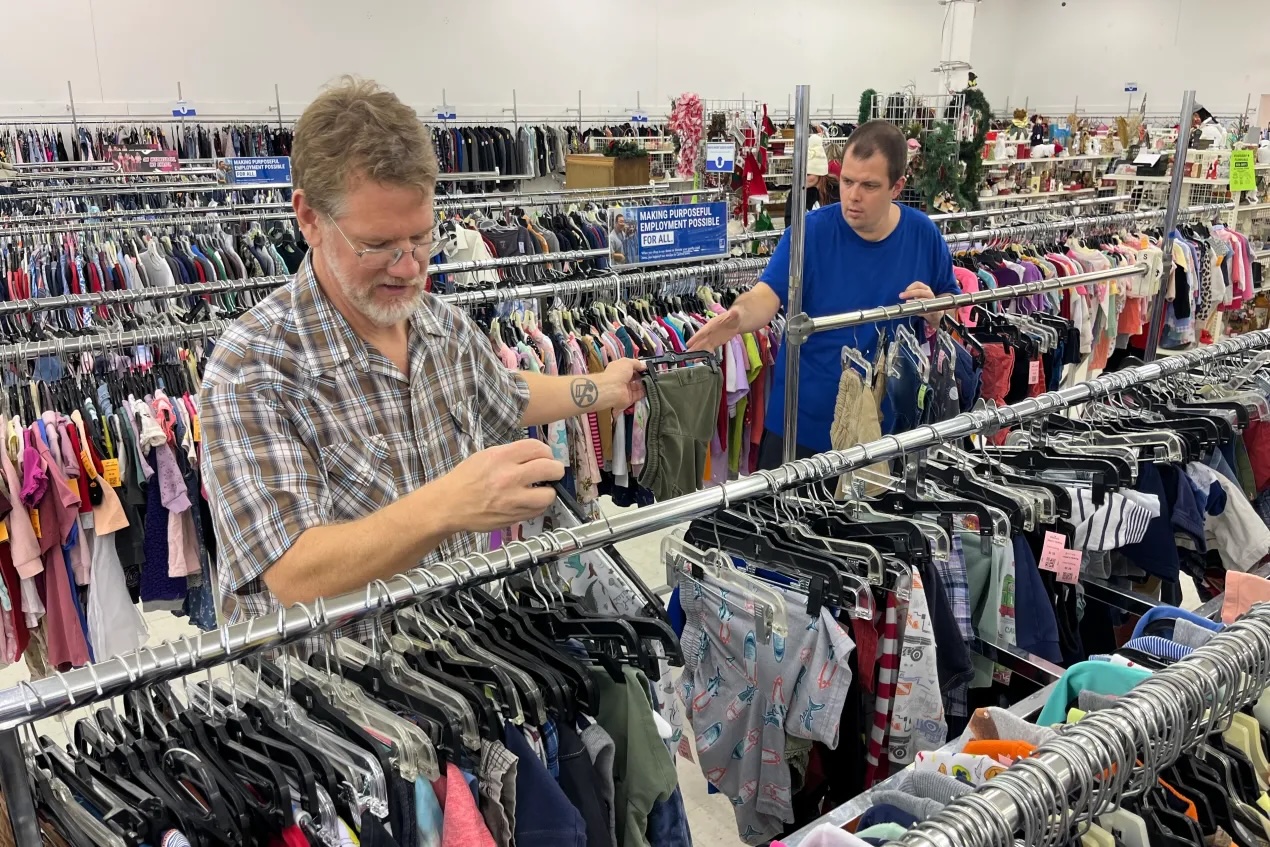
Leisa and Kent Walker recently received a disturbing notice: The private company managing their son’s Medicaid coverage intends to cut nearly 40 percent of what it spends for caregivers who help him live at home instead of in a nursing home.

Sam Walker, 35, has severe autism and other disabilities. He is deaf and cannot speak. Sometimes when he’s frustrated, he hits himself or others.

Medicaid provides about $8,500 a month for health workers who visit his apartment in the basement of his parents’ home. The staffers help him with everyday tasks, including dressing, bathing, and eating. They also take Walker on outings, such as dining at restaurants, volunteering at Goodwill, and exercising at a recreation center or on park trails. They stick to a strict routine, which soothes him.

His parents say that without the in-home services, their son would need to move to a specialized residential facility in another state. Sending him away would break their hearts and cost taxpayers much more money. They strive to keep him home because they know change makes him anxious.

Continue Reading...
Iowa Medicaid sends $4 million bills to two grieving families

Tony Leys is Rural Editor/Correspondent for KFF Health News, where this story was first published.

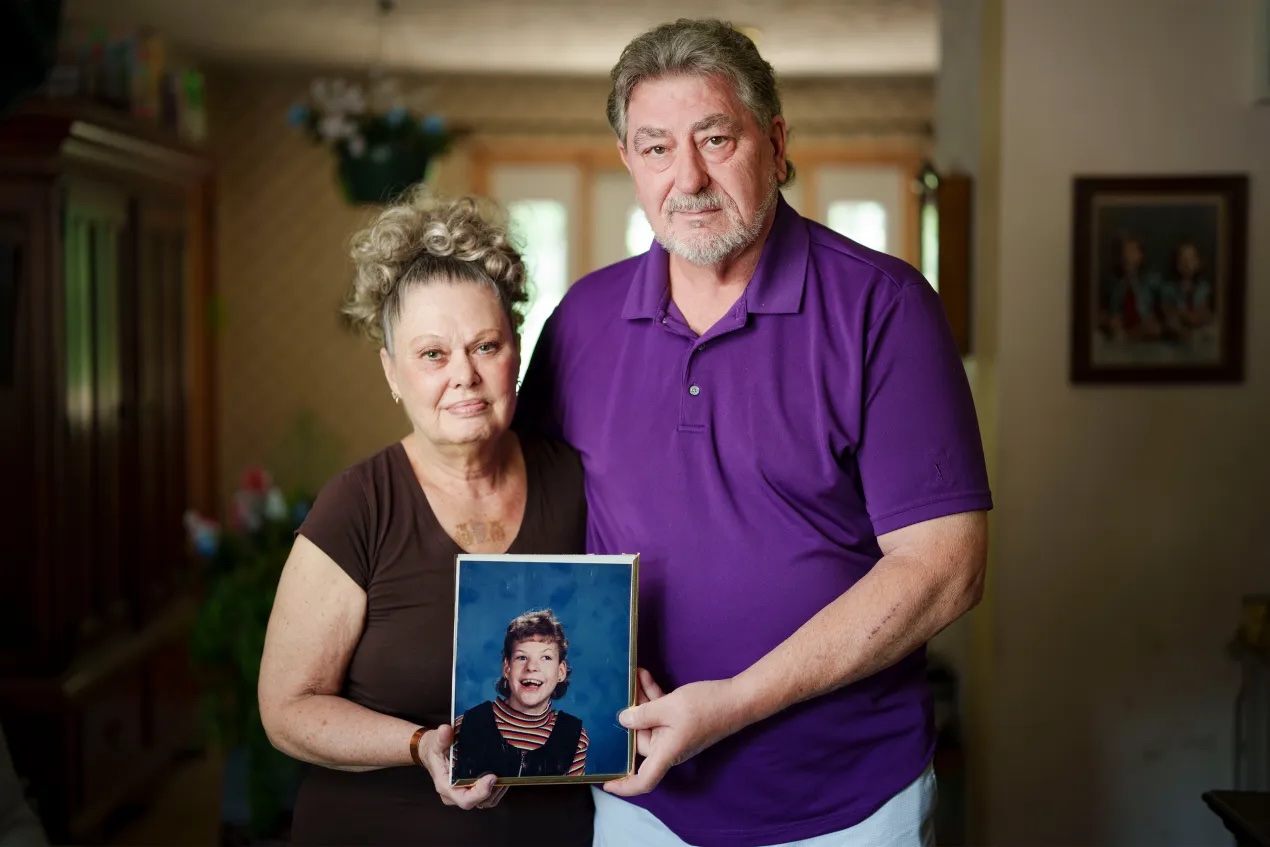
Collection agents for the state of Iowa have sent letters seeking millions of dollars from the estates of at least two people with disabilities who died after spending most of their lives in a state institution.

The amounts represent what Medicaid spent covering the residents’ care when they lived at the Glenwood Resource Center, a state-run facility that closed last summer.

The bills are extraordinary examples of a practice called Medicaid estate recovery. Federal law requires states to try to collect money after some types of Medicaid recipients die. The point is to encourage people to use their own resources before relying on the public program. But some states, including Iowa, are particularly aggressive about the collections, national reports show.

Continue Reading...

Mental health care by video fills gaps in rural nursing homes

Tony Leys is Rural Editor/Correspondent for Kaiser Health News, where this story was first published. Follow him on Twitter @TonyLeys.

KNOXVILLE, Iowa ― Bette Helm was glad to have someone to talk with about her insomnia.

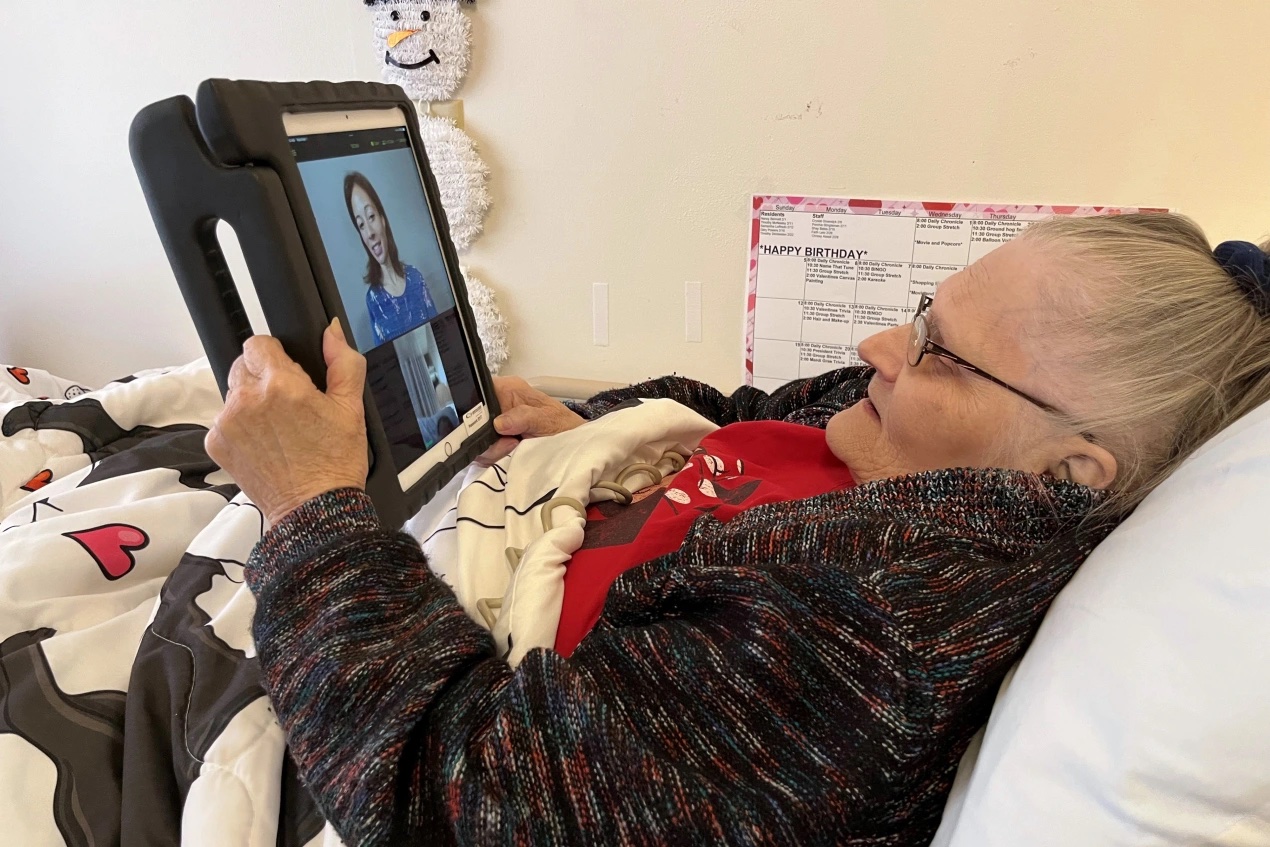
Helm lives in a nursing home in this central Iowa town of about 7,500 people, where mental health services are sparse. On a recent morning, she had an appointment with a psychiatric nurse practitioner about 800 miles away in Austin, Texas. They spoke via video, with Helm using an iPad she held on her lap while sitting in her bed.

Video visits are an increasingly common way for residents of small-town nursing homes to receive mental health care. Patients don’t have to travel to a clinic. They don’t even have to get cleaned up and leave their bedrooms, which can be daunting for people with depression or anxiety. Online care providers face fewer appointment cancellations, and they often can work from home. While use of some other telehealth services may dwindle as the COVID-19 pandemic winds down, providers predict demand for remote mental health services will continue to increase in rural nursing homes.

Continue Reading...