
Clark Kauffman is deputy editor at Iowa Capital Dispatch, where this article first appeared.
The Iowa Supreme Court has blocked State Auditor Rob Sand’s efforts to access City of Davenport communications about $1.9 million in taxpayer-funded settlements.
The state auditor has been waging a legal battle to access the recordings of closed-door Davenport City Council meetings where aldermen appear to have discussed settlement payouts with the city’s attorney present.
Sand’s office is investigating those payments, but the city has refused to turn over the meeting tapes, arguing the discussions are protected by attorney-client privilege.
The discussions, which took place in 2023, were focused on the city’s efforts to settle various harassment claims brought by city employees. The settlements were publicly approved by the council in December 2023, but allegations arose that the agreements had actually been reached before the November 2023 city election, with the announcement intentionally delayed until after the election.
Sand’s office began investigating the matter and served a subpoena on the city seeking access to all documents pertaining to the settlements, including the minutes and recordings of closed-session meetings of the council in late 2023.
The city refused to turn over some of the requested records, claiming they were covered by either attorney–client privilege or represented confidential attorney work product.
A district court judge then issued orders indicating he would conduct a private review of the closed-session documents to determine whether they were being legally withheld from disclosure.
The city appealed that decision to the Iowa Supreme Court, arguing the closed-session minutes were not subject to disclosure even to the state auditor.
As evidence that Iowa law contemplates access by state auditors even to attorney-client communications, Sand’s office pointed to a provision of the law that allows auditors to access records that “are required by law to be kept confidential” with the understanding that the auditors must then maintain the confidentiality of those records.
In their unanimous decision issued April 17, the justices agreed that state law says the Auditor of State’s Office shall have “full access to all papers, books, records, and documents of any officers or employees” of a city subject to an audit, including any records “required by law to be kept confidential.”
The opinion by Justice Edward Mansfield also noted “there are some identified exceptions, but the attorney-client privilege isn’t one of them” — but then went on to state it was therefore up to the court itself to “decide whether the attorney-client privilege is nonetheless an implied exception” to the law on access.
“We conclude that it is,” the court said. “The privilege is universally recognized in Iowa, and has been since the founding of our state. We hold that the attorney-client privilege limits the auditor’s subpoena power, just as it limits the subpoena power of other investigative agencies in Iowa.”
In a written statement, Sand said the court’s decision “means a city can hide $2 million from taxpayers just because they kept an attorney in the room. We respect the court’s ruling, but not the corruption and secrecy the insiders wrote into the law.”
Attorney-client privilege is often used to maintain the confidentiality of governmental records, but it requires the client — which is the governmental entity, not the attorney or some third-party — to assert the privilege and insist on confidentiality.
Full text of Iowa Supreme Court ruling in City of Davenport v. Office of Auditor of State of Iowa:
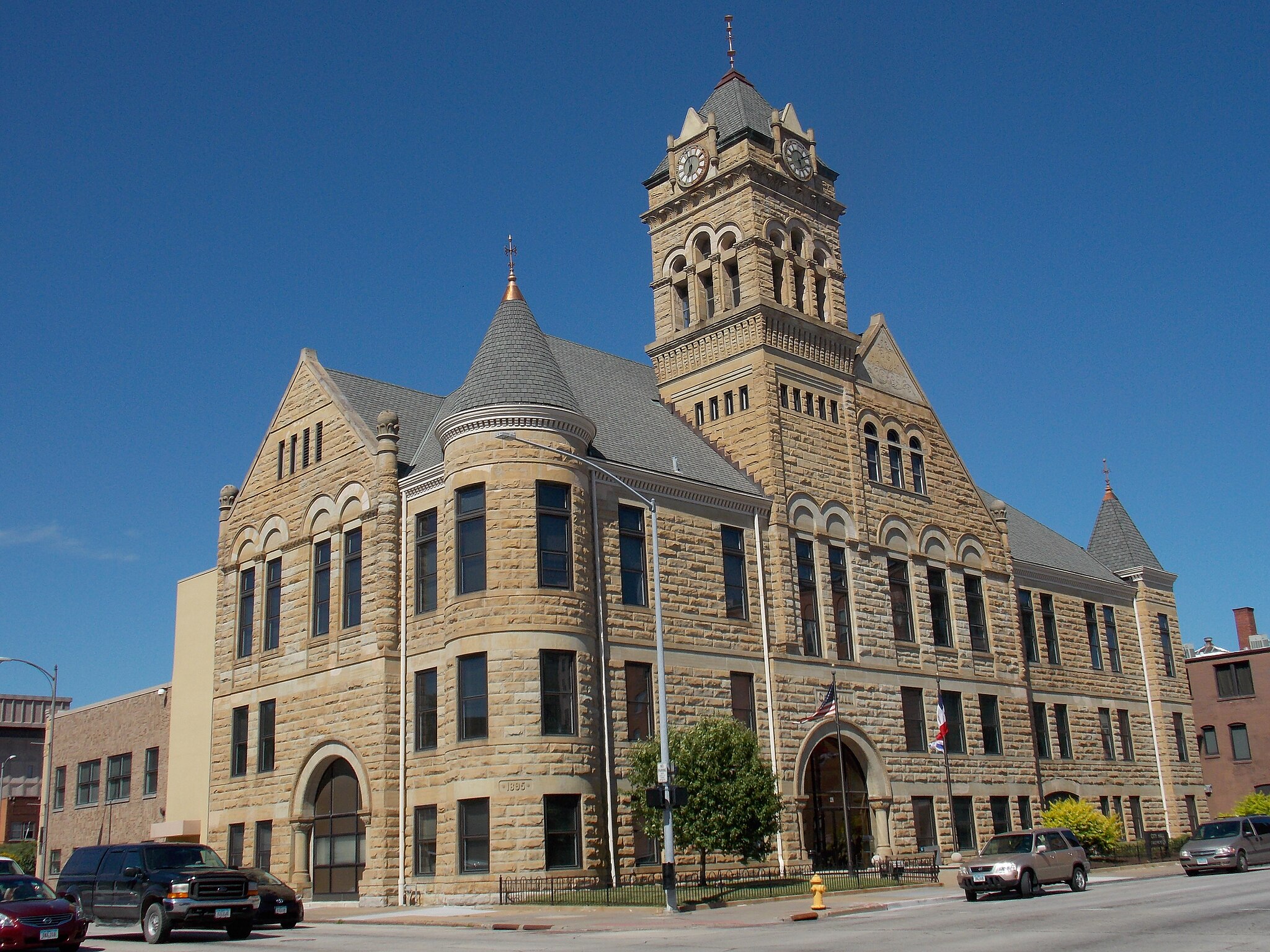
Top photo of the Davenport City Hall is by Farragutful, available via Wikimedia Commons.
1 Comment
Davenport
Something is rotten in Davenport and glad to see Rob Sand is attempting to get to the bottom of it.
HHHdemocrat Mon 27 Apr 12:36 PM