
Noah Gratias is a seventh generation Iowan from Waukee.
In April 1903, on the steps of Iowa’s state capitol building, President Teddy Roosevelt said, “I am glad to say that Iowa can teach rather than learn the lesson of good citizenship.” More than a century later, Iowans are still known for their decency and civic virtue.
Yet many would agree that “Iowa Nice” has been strained by the toxicity of national politics. As the 2026 elections draw closer, Iowans have an opportunity to radiate some of the healing our country desperately needs.
To preserve Iowa Nice in a bitter political age, we should reexamine the mental habits that make respectful disagreement so difficult in the first place. In her book Being Wrong, Kathryn Schultz argues that people instinctively assume their views are grounded in reason and reality, while those who disagree must be misinformed, irrational, or evil.
That instinct, fueled by negativity bias and rose-tinted glasses, has taken over our politics. As divisions have deepened, the space for genuine conversation and understanding continues to shrink, even in Iowa.
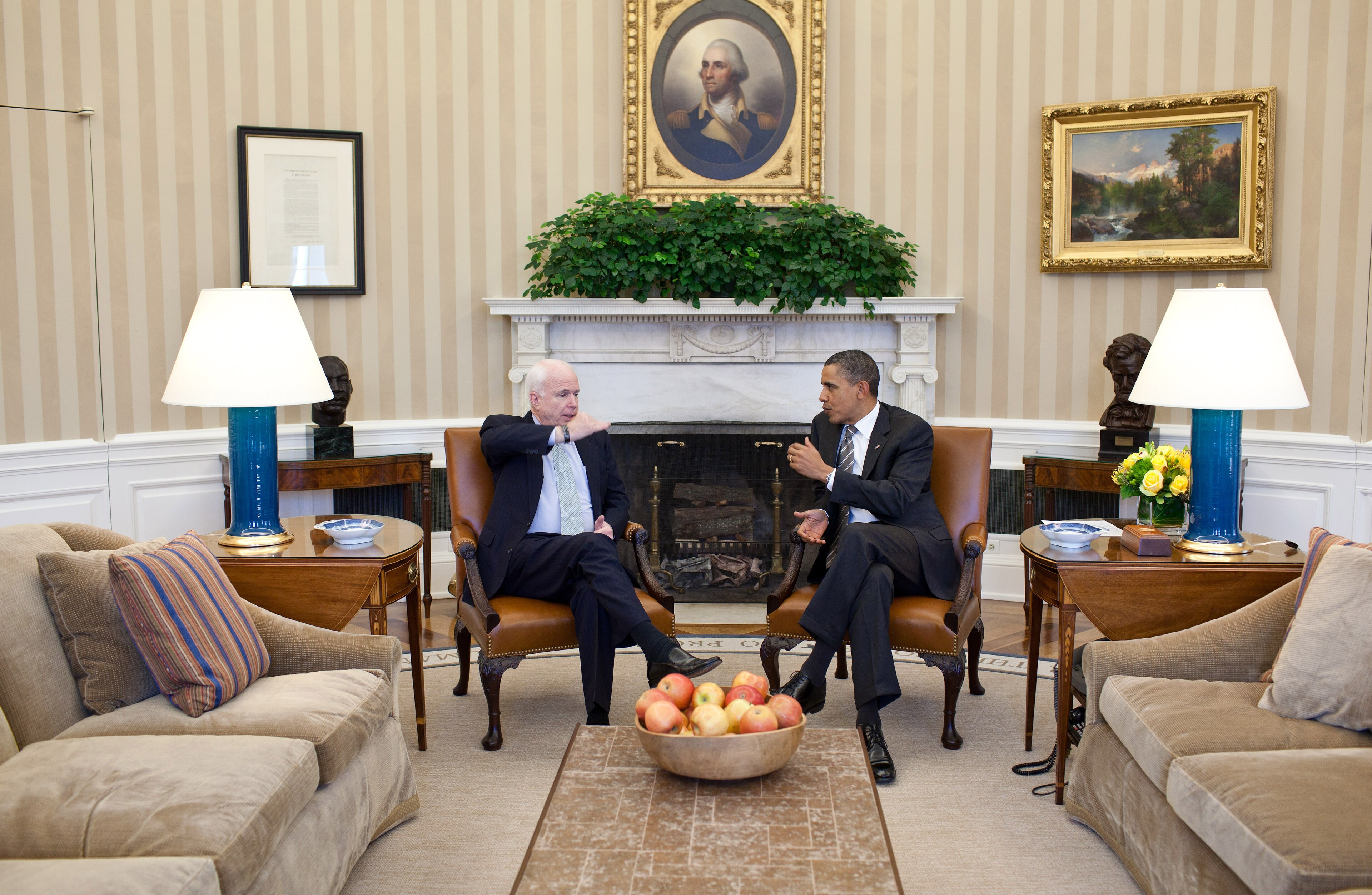
But we are capable of better. In 2008, when a supporter at a town hall questioned Barack Obama’s character, Senator John McCain interrupted, saying, “He’s a decent family man, a citizen that I just happen to have disagreements with.” That moment stands out now, not because it was extraordinary, but because it reflected a norm we seem to have lost.
Thankfully, from now until November, we will have plenty of chances online, at town halls, debates, and family dinners to show grace and listen to those we disagree with. Whether they worship Milton Friedman or Marx, those eccentric uncles, neighbors, and coworkers likely have something to teach us.
As this election season unfolds, Iowans should ask themselves: if an outsider looked through the window and watched us debate the future of our state and country, what would we want them to see? Neighbors reasoning together with respect and humility? Or a reflection of the same anger and contempt that dominates national discourse?
If the healing our country needs cannot take root in Iowa, it is difficult to imagine where it will. Roosevelt’s words in Des Moines in 1903 still offer a guide: Our disagreements can be resolved “in a spirit of sanity and with patience, with courage and with the firm determination to solve them in accordance with the immutable laws of righteousness and fair dealing as between man and man.”
That kind of civic renewal begins with the discipline of questioning our own certainty as much as we question others’. It’s corny, but like love, Iowa Nice is a choice we make every day. If Iowans choose it now, we will not only preserve a part of our identity, but offer a model the rest of the country is searching for.