
Bruce Lear lives in Sioux City and has been connected to Iowa’s public schools for 38 years. He taught for eleven years and represented educators as an Iowa State Education Association regional director for 27 years until retiring. He can be reached at BruceLear2419@gmail.com
Dad was a master carpenter. He didn’t graduate from vocational school, wasn’t an apprentice, and he didn’t have a framed certificate announcing his skill. He learned by doing.
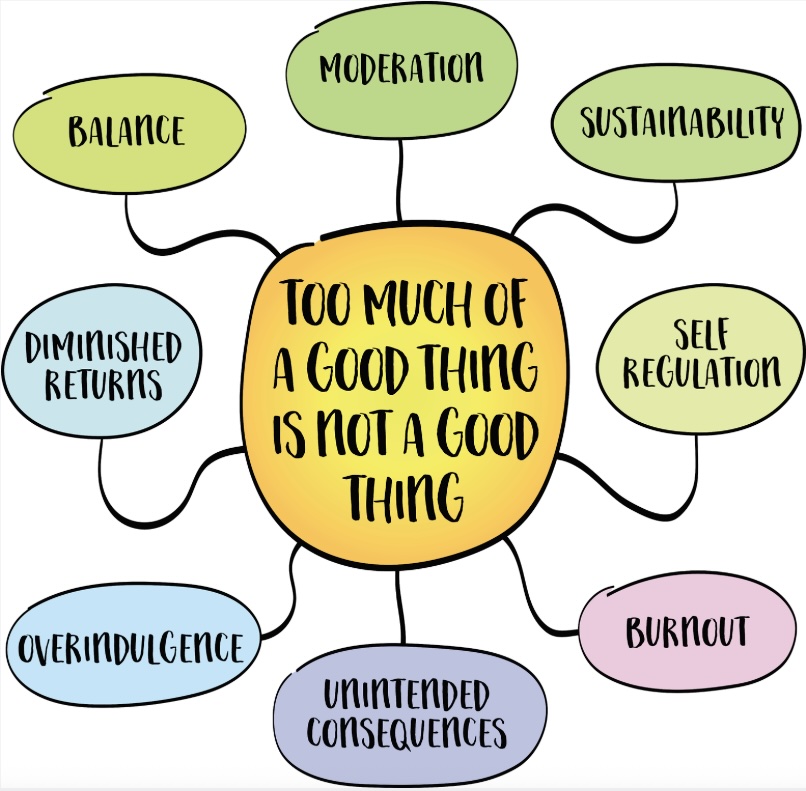
For him, “Measure twice and cut once” wasn’t an old platitude. It’s what he lived by, and it made him a master of his trade. He believed consequential planning avoids unintended consequences, and jobs that look simple often aren’t.
Now it appears the U.S. is being led by people who don’t even measure once.
Americans don’t expect our presidents, governors, and legislators to be geniuses despite their campaign rhetoric. We expect them to surround themselves with experts who can help with critical decisions.
Most leaders have large egos. If they didn’t, they wouldn’t believe they could win. They wouldn’t tolerate begging for money, selling themselves in endless stump speeches, and pleading for neighbors to plant their yard signs.
I’m fine with that if those egos have room for listening to people who disagree and are flexible enough to change directions before making big ego mistakes. I’ve known some of those leaders.
When I was representing educators, I wrote newsletters. I always needed my administrative assistant to read what I’d written, because she was honest, direct, and never scared to share her opinion. I was often too overheated on a topic. She’d say something like, “You can’t write that. This is what will happen if you do.” A couple times I balked and wrote it anyway.
She was right. I was wrong. I learned.
Just think what would have happened if President Donald Trump’s advisers were brave and knowledgeable enough to say, “Venezuela isn’t Iran. Here’s what we know from intelligence reports and from history.” What if he had listened?
Instead, they assumed Iran wouldn’t close the Strait of Hormuz, attack the energy sources of their neighbors, or settle in for a protracted conflict. They must have never heard the old saying, “When you assume you make an ass of you and me.”
Had they measured twice instead of assuming, we wouldn’t be mired in a war the administration claims we’ve won (with no evidence). We wouldn’t have arrhythmia every time we stop for gas, and a visit to the grocery store wouldn’t feel like a scene from American Horror Story. Unintended consequences arise with poor planning without specific goals backed by clear strategy.
Careless political rhetoric can also cause unintended consequences. Words can be more powerful than sticks and stones and can do more damage. When someone on the left compares Trump to Hitler, not only does it cheapen the most horrific genocide the world has ever seen, but it may be the catalyst for a lone wolf to rid the world of another Hitler. It’s dangerous, divisive, and could cause fatal unintended consequences.
So, could the rhetoric from the right. Zach Lahn, an Iowa Republican candidate for governor, said in a TV ad, “Too many schools today teach kids to hate our country, our history, or our religion.” He pledges to “reclaim education from Marxists.”
While most Iowans will laugh at his stale nonsense, some may take it seriously and try to violently harass public school teachers, who are just trying to indoctrinate kids to be on time, do their homework, and listen.
Not to be outdone, Adam Steen, another Iowa Republican candidate for governor, says in his TV ad, “I’ll defend life. I’ll protect your kids against radical, woke ideology. I’ll keep the Satanists out of the Capitol. Because our Iowa values are under attack, and we don’t keep them without a fight. This campaign is a battle of good versus evil.”
Voters need to send a message. Framing every issue as good versus evil gets us into wars we can’t win. We shouldn’t tolerate rhetoric that could provoke consequences we can’t imagine.
2 Comments
Steen is right
Bruce Lear quotes Adam Steen, among the GOP/MAGA candidates for governor as characterizing the November elections, as “a battle of good versus evil.”
Steen is right! He just has the casting wrong.!
And thank you Bruce for the “measure twice.” observation.
Herb Strentz
Herb Strentz Thu 30 Apr 2:06 PM
A transcript is available of the IPBS Republican gubernatorial debate on April 28th.
I skimmed it, and the remarks about cancer and water quality reflected impressively-high levels of deliberate ignorance, unusual beliefs, and reluctance to face reality. (I’m trying hard to be polite.) As pointed out in the post above, framing every issue as good versus evil leads to very bad consequences. Voting for deliberate ignorance over informed acknowledgement of reality, even when reality is unpleasant, is just as dangerous.
PrairieFan Fri 1 May 1:14 PM