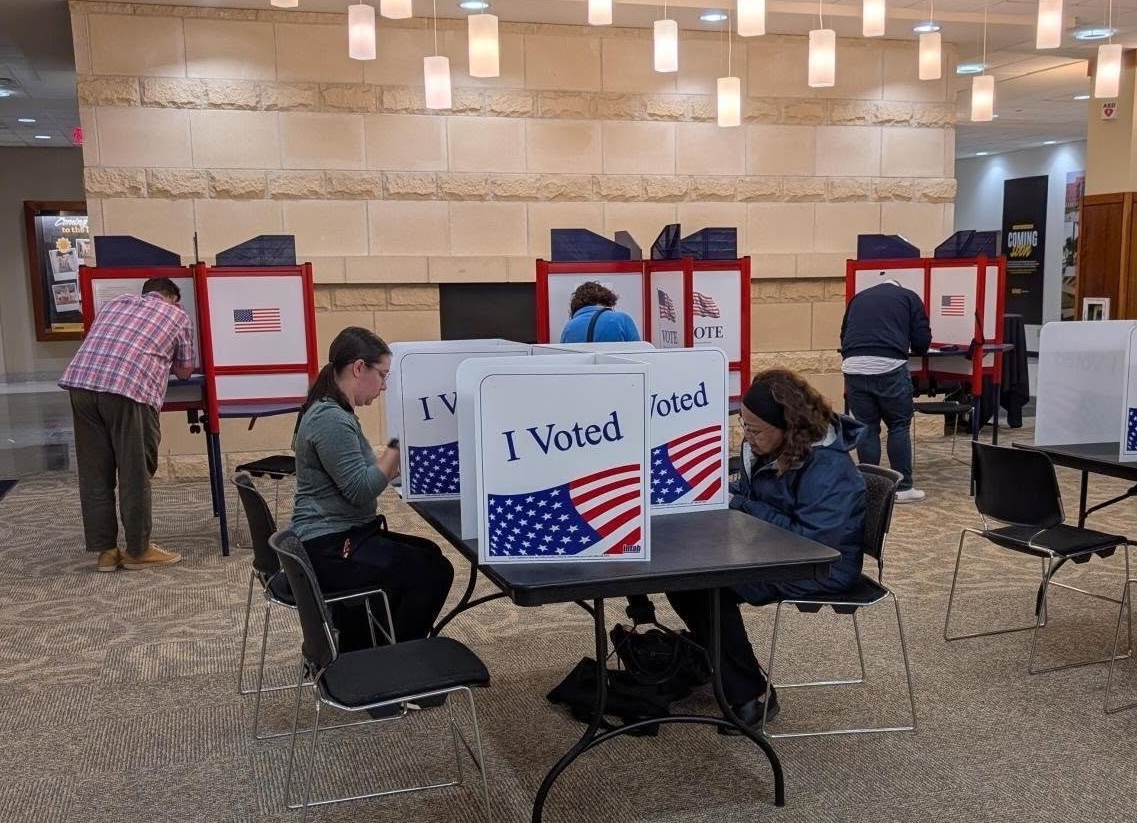
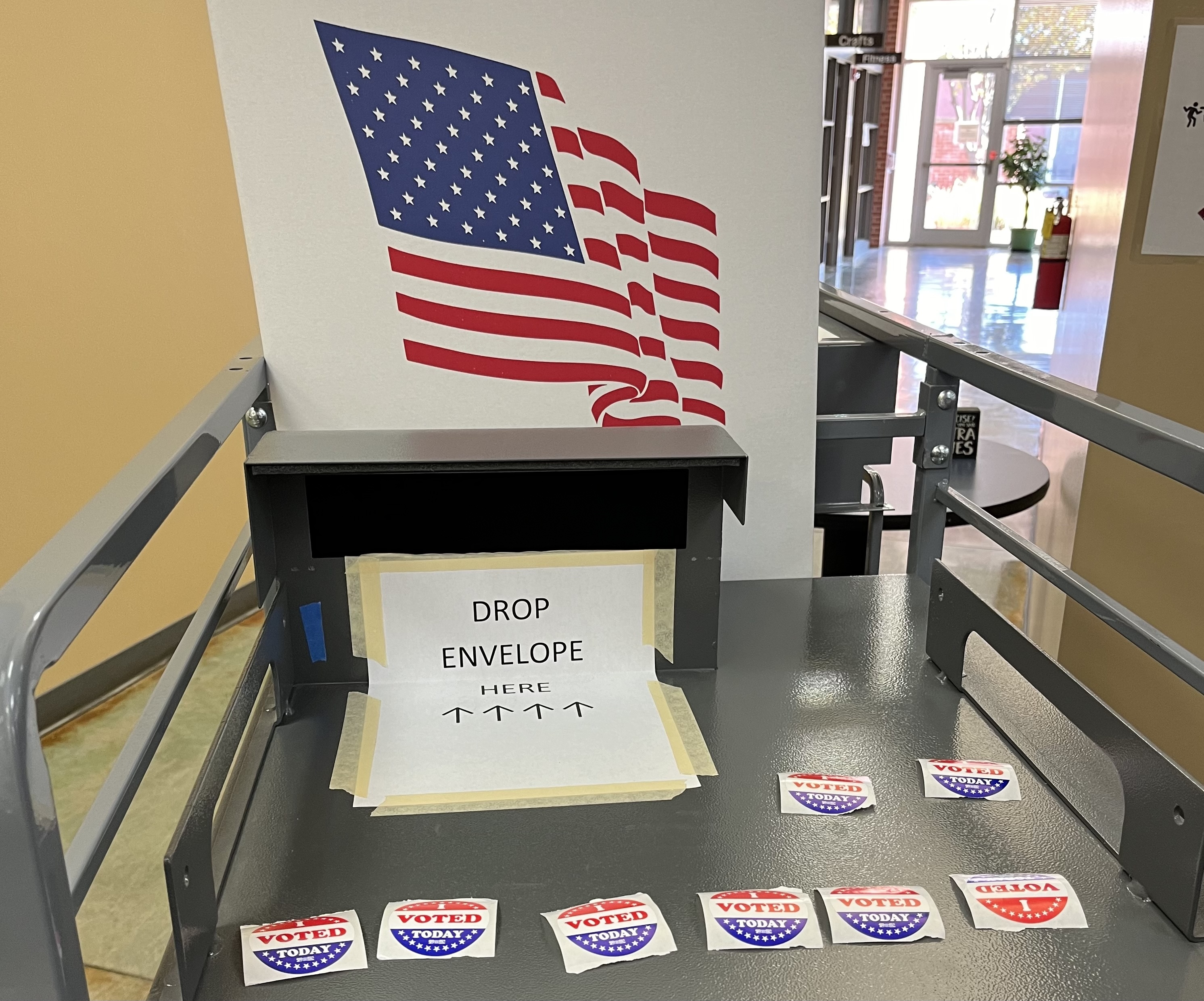
Continuing a Bleeding Heartland tradition, I am posting Iowa’s absentee ballot numbers, statewide and for each Congressional district, updated every day the Iowa Secretary of State’s office releases new figures.
You can compare this year’s numbers to daily charts from the last seven election cycles by clicking through to Bleeding Heartland’s archive of absentee ballot totals from 2024, 2022, 2020, 2018, 2016, 2014, and 2012. But use caution when comparing, because Iowans could vote early for 40 days through 2016, and for 29 days in 2018 and 2020. Republicans shortened the early voting period to the current 20 days as part of a wide-ranging effort to suppress early voting in 2021.
In addition, many Iowans (especially Democrats) are more wary of voting by mail this year than in the past. That’s partly because President Donald Trump has tried to interfere with U.S. Postal Service delivery of ballots, and partly because the 2021 law required all ballots to arrive at county auditors’ offices by 8:00 pm on election day. (Late-arriving ballots used to be counted if they were postmarked before election day.)
The upshot is that lower totals for mailed ballots do not necessarily reflect less interest in voting early.
Early voting began on October 14 this year, and the first report from the Iowa Secretary of State’s office appeared on October 15. The office changed the format of its daily absentee ballot reports on October 20. Since the new tables are much more comprehensive than previous incarnations, I am posting those below, rather than creating my own tables, as I’ve done in past years.
Continue Reading...