Cami Koons covers agriculture and the environment for Iowa Capital Dispatch, where this article first appeared.
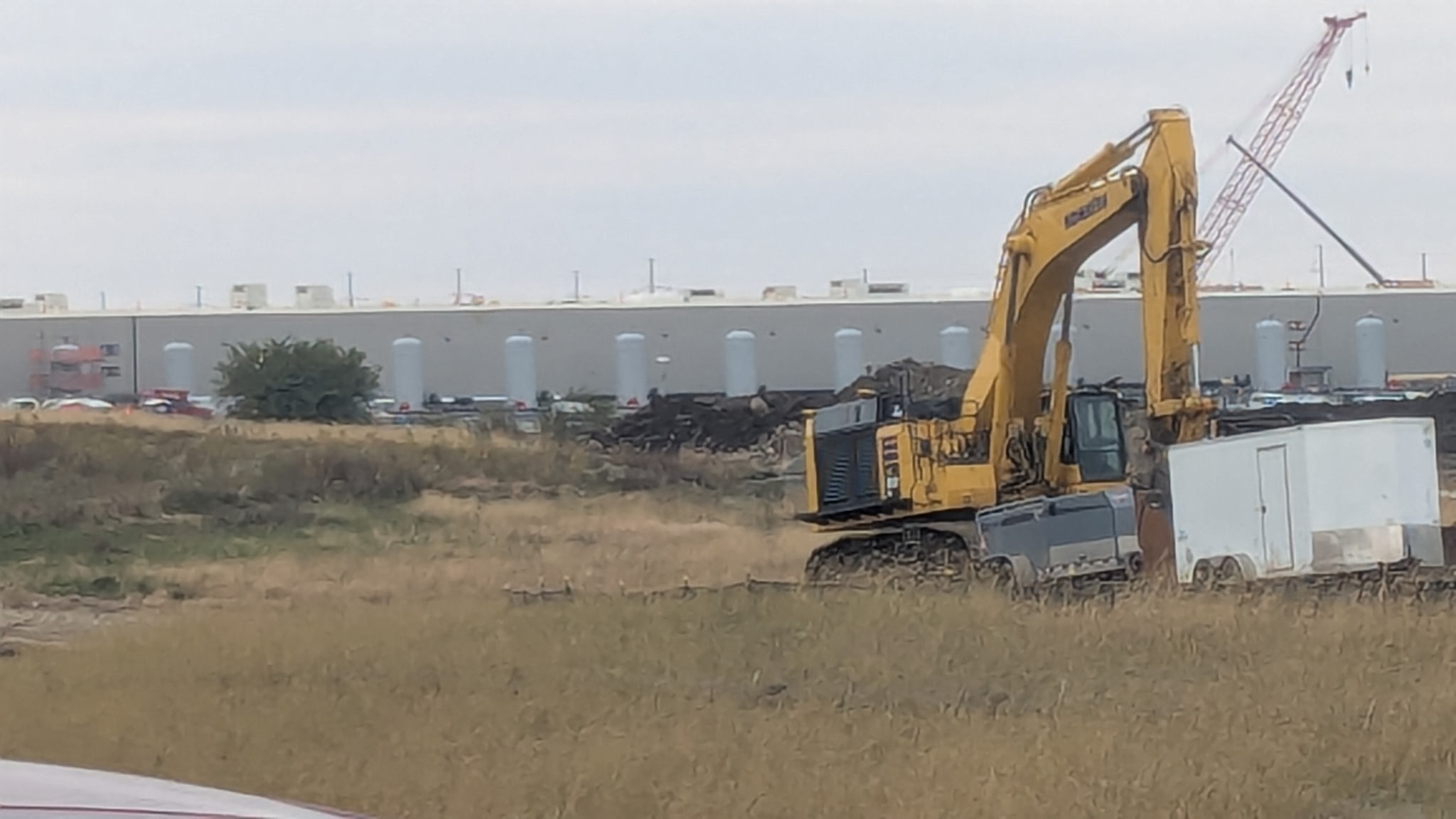
The U.S. Army intentionally detonated degraded, lead-based explosives in southeast Iowa at 9:00 AM on November 25.
Officials say the blast was successful in destroying the at-risk explosives and that mitigation strategies employed were able to almost entirely contain the lead from the blast, according to monitoring immediately following.
The Federal Emergency Management Agency said on the evening of November 25 that Iowans in the area could “safely resume normal activities” as the shelter-in-place order had been lifted and ongoing air monitoring results show no detectable lead.
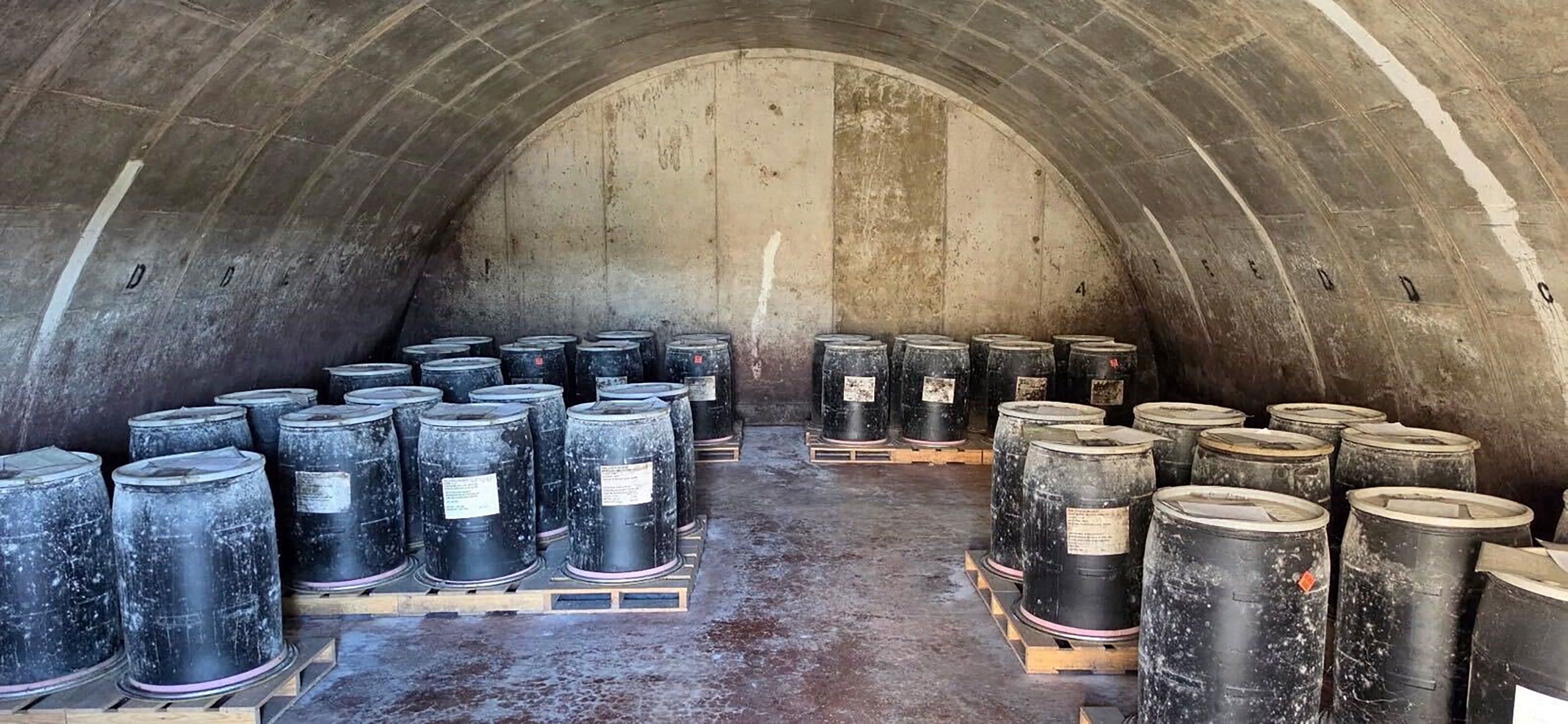
U.S. Army, FEMA and U.S. Bureau of Alcohol, Tobacco, Firearms and Explosives leaders said in a news conference earlier in the day that all 68 barrels of lead azide on site were “definitively removed” with the controlled explosion.
Continue Reading...