Laura Belin

Posts 1613 Comments 293

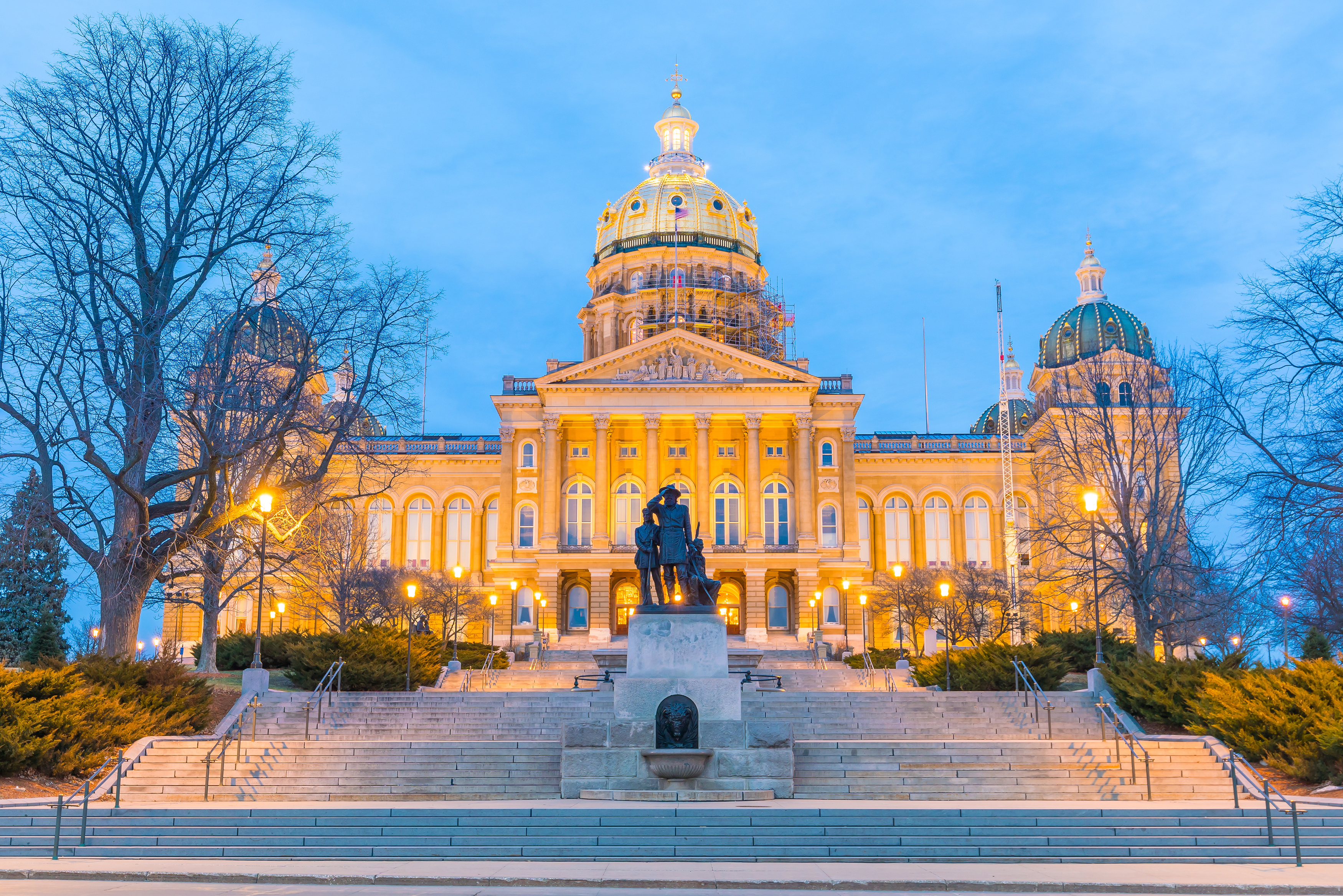
Who's who in the Iowa House for 2019

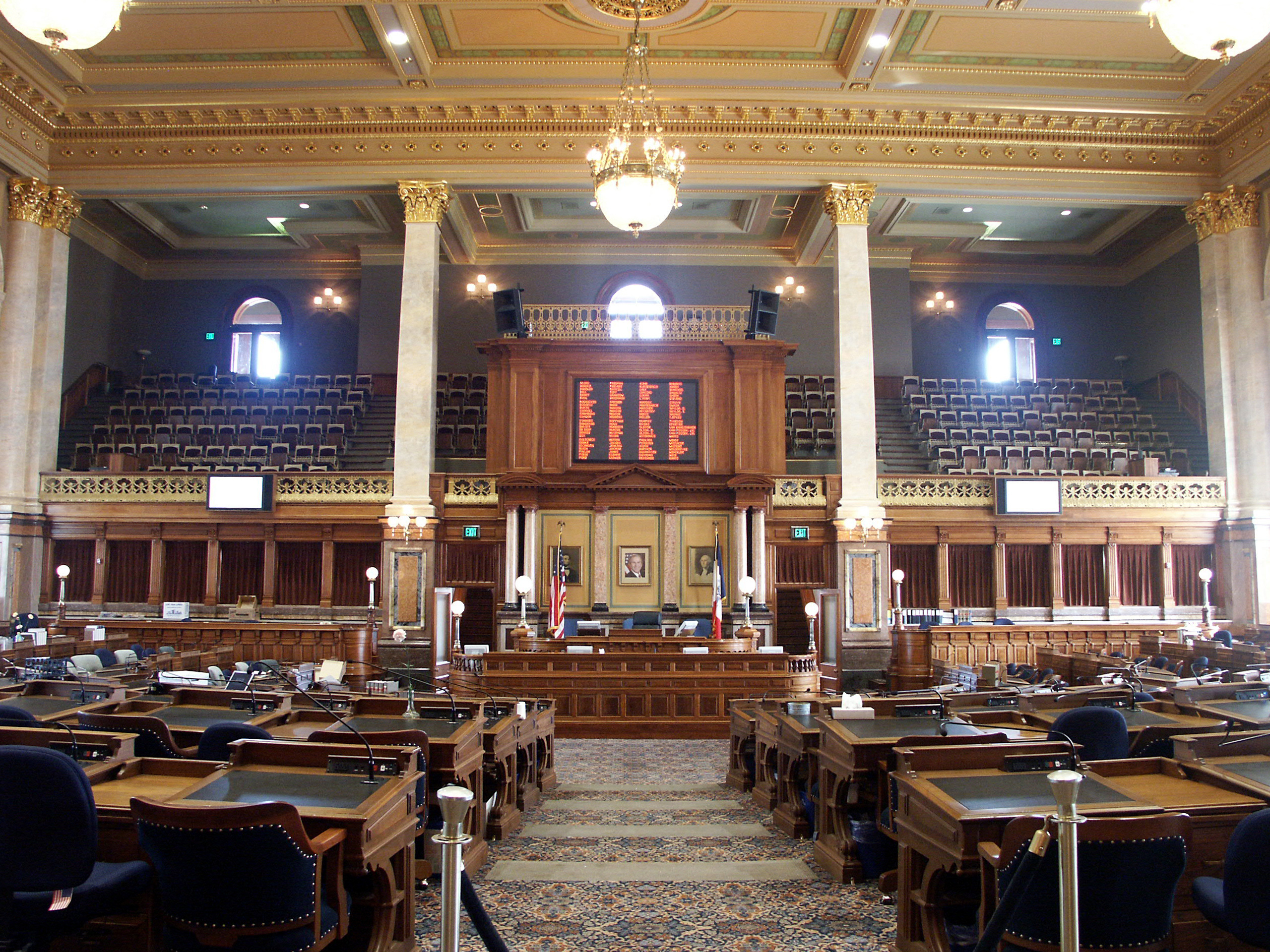
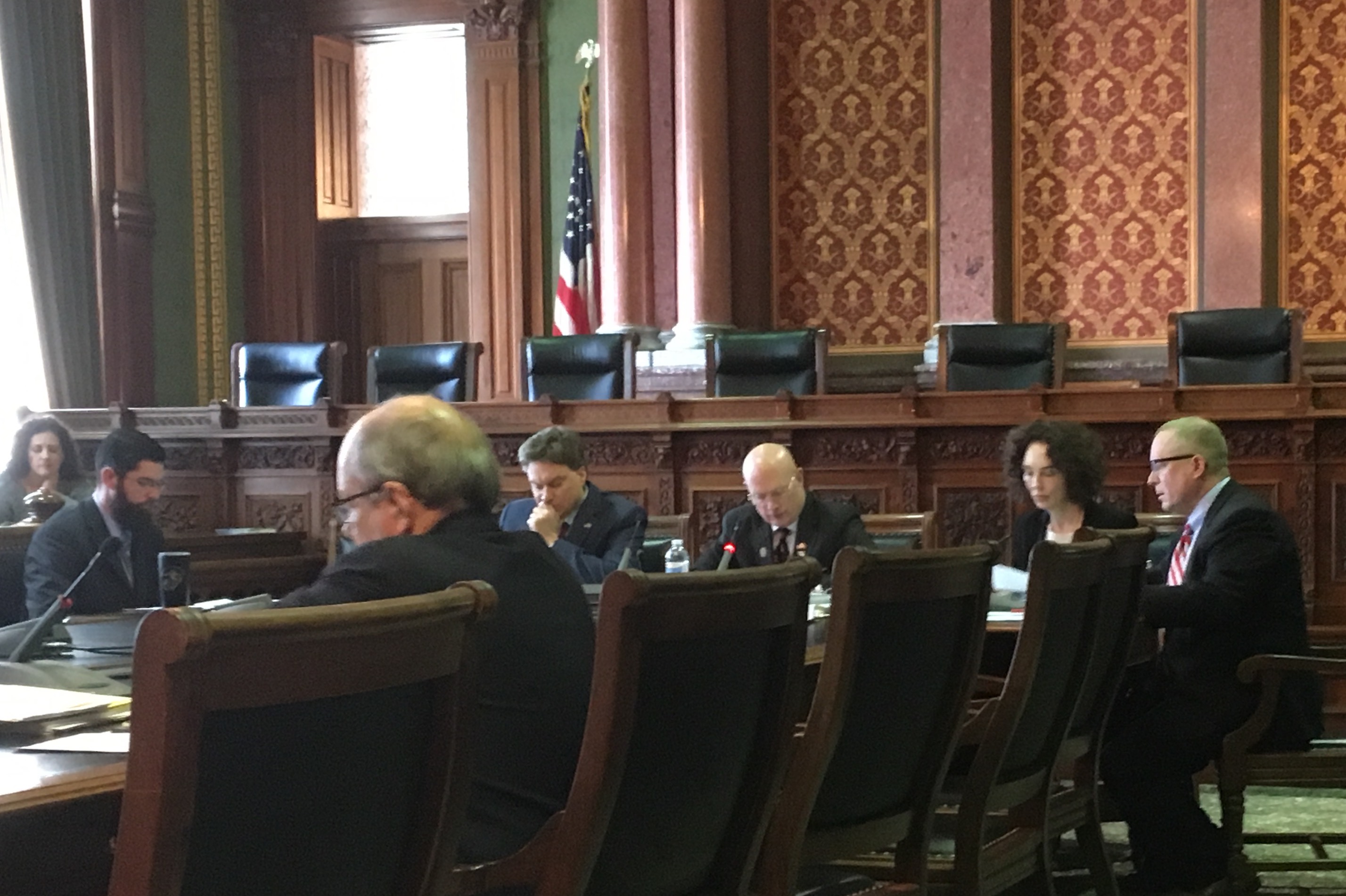
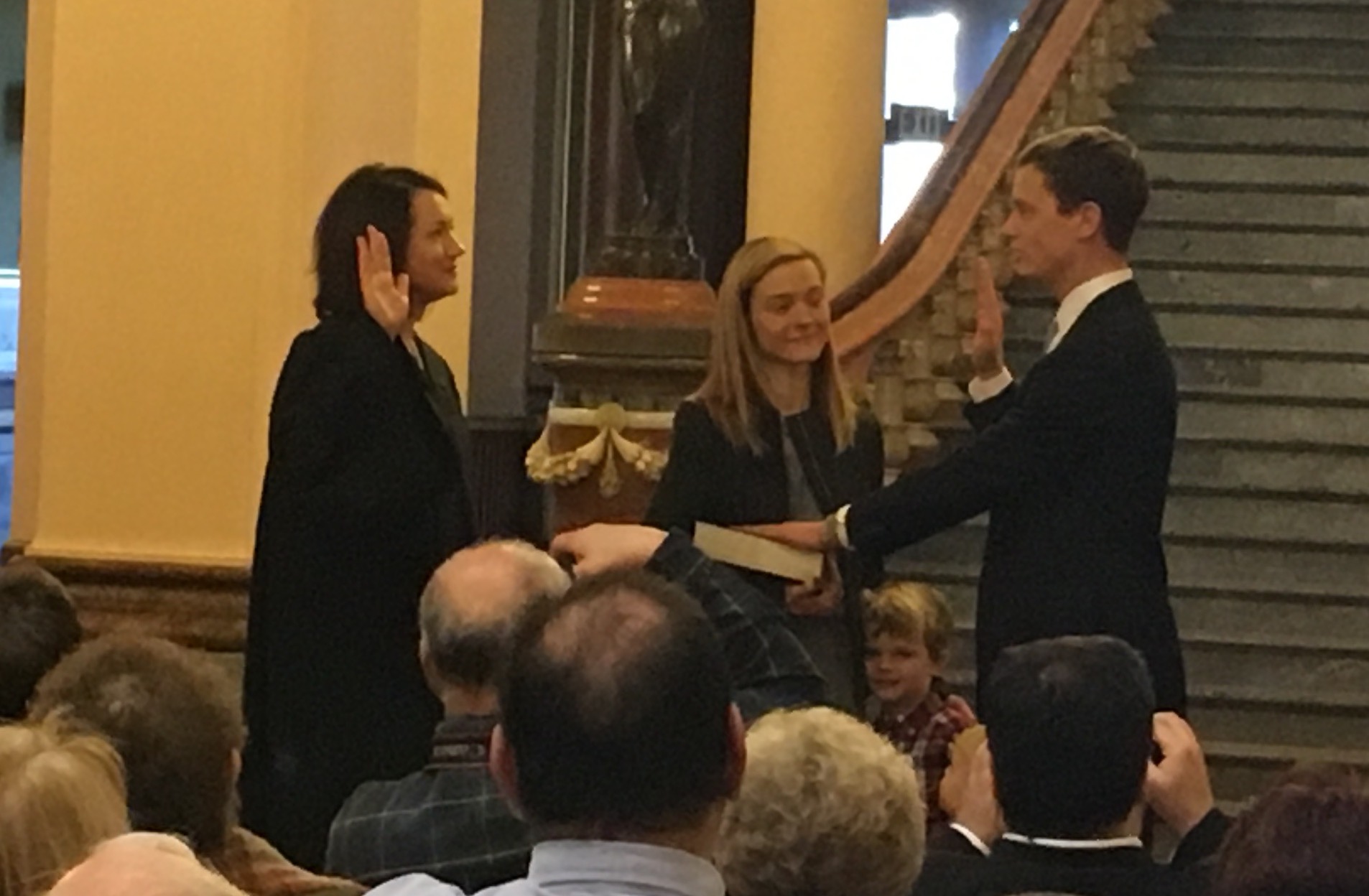
The Iowa House opened its 2019 session today with 54 Republicans and 46 Democrats. State Representative Michael Bergan was sworn in for a second term, even though his Democratic opponent Kayla Koether is contesting the outcome. A special committee will consider her complaint in the coming weeks.

The new state representatives include 66 men and 34 women (24 Democrats and ten Republicans, record numbers for both parties).

Four African Americans (Democrats Ako Abdul-Samad, Ruth Ann Gaines, Ras Smith, and Phyllis Thede) will serve in the legislature’s lower chamber; the other 96 lawmakers are white. No Latino has ever been elected to the Iowa House, and there has not been an Asian-American member since Swati Dandekar moved up to the state Senate following the 2008 election. Democratic State Representative Liz Bennett is the only out LGBTQ member of the lower chamber. To my knowledge, Abdul-Samad (who is Muslim) is the only lawmaker in either chamber to practice a religion other than Christianity.

After the jump I’ve posted details on the Iowa House majority and minority leadership teams, along with all chairs, vice chairs, and members of standing House committees. Where relevant, I’ve noted significant changes since last year.

Some non-political trivia: the Iowa House includes two Smiths (both Democrats), while the other 98 members have different surnames. As for popular first names, there are six Davids (four go by Dave), four Marys (one goes by Mary Ann), three Roberts (a Rob, a Bob, and a Bobby), three men named Thomas (two go by Tom), three Johns and two Jons, and three men each named Gary and Brian. There are also two Elizabeths (a Beth and a Liz) and two men each named Bruce, Chris, Jeff, Michael (one goes by Mike), and Charles (a Chuck and a Charlie).

Continue Reading...

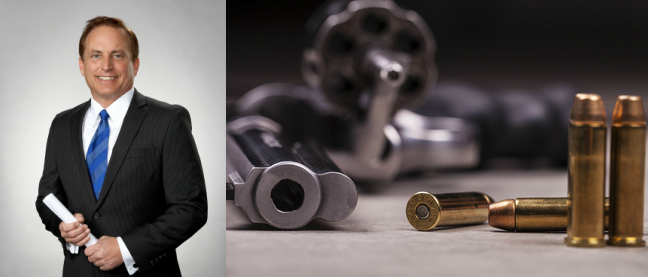
Paul Pate's error sends pro-gun amendment "back to square one"

“[A]ll of our work has been wiped away,” Iowa Firearms Coalition President Kurt Liske wrote in an e-mail to supporters on the evening of January 13. “Because of the Secretary of State’s complete failure, we must now go back to square one of the constitutional amendment process.”

Pro-gun advocates thought they were halfway toward amending Iowa’s constitution to include expansive language on gun rights, which could invalidate many existing regulations.

But Republican lawmakers will have to start over this year, because Secretary of State Paul Pate dropped the ball.

Continue Reading...

Four takeaways from Iowa's 2018 early voting numbers

Fourteenth in a series interpreting the results of Iowa’s 2018 state and federal elections.

The November election was the first since Republicans shortened our state’s early voting window. Proponents of the 2017 law, best known for requiring voter ID, never made a case for limiting early voting. Nor did they produce evidence of any problems caused by allowing Iowans to cast ballots 40 days before elections. (County auditors needed to have ballots ready anyway, since federal law requires them to send overseas military ballots 45 days in advance.)

The power play was inspired by a simple fact: Iowa Democrats rely more on early voting than do Republicans. Switching from 40 days to 29 gave Democratic volunteers two fewer weekends to “chase” absentee ballots.

Now that the statewide statistical report on the 2018 general election is available, we can see how early voting played out in a compressed time frame. Bleeding Heartland previously discussed notable findings on turnout rates for Iowans of different political affiliations, age groups, and gender.

Continue Reading...
How Iowa's 2018 turnout increased by party, age, gender

Thirteenth in a series interpreting the results of Iowa’s 2018 state and federal elections.

Immediately after the November election, it was obvious turnout in Iowa was unusually high for a non-presidential year. Now that the Secretary of State’s office has published the statewide statistical report, we can get a closer look at which demographic groups were most engaged. Let’s dive in:

Continue Reading...
Iowa House committee will hear Koether's election contest (updated)

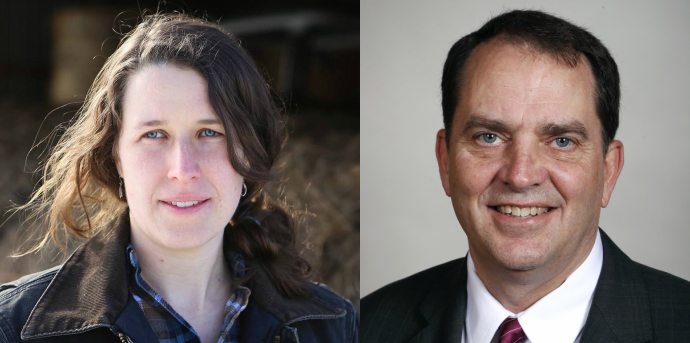
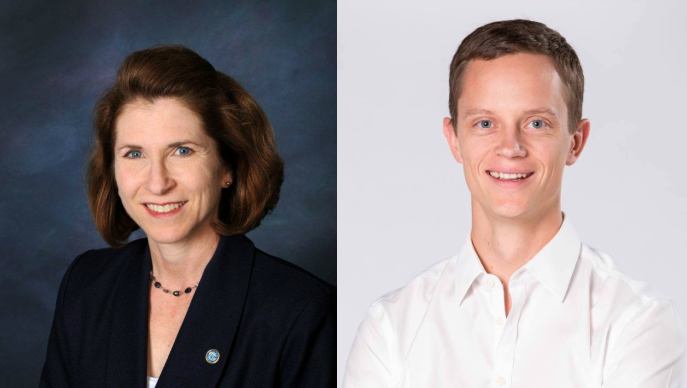
Iowa House Speaker Linda Upmeyer confirmed on January 9 that a special committee will consider Kayla Koether’s contest of the House district 55 election. According to the certified results, Republican State Representative Michael Bergan leads Koether by nine votes, 6,924 to 6,915. Koether is fighting to have 29 uncounted absentee ballots from Winneshiek County opened and tallied, in light of evidence from the U.S. Postal Service that voters mailed those ballots by the legal deadline.

Continue Reading...
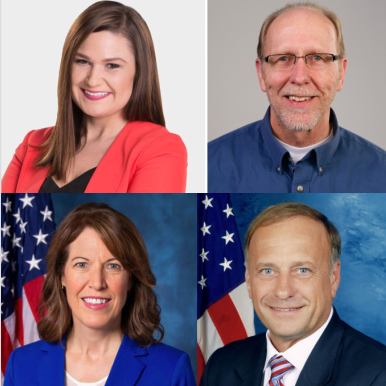
IA-04: Randy Feenstra to challenge Steve King; Rick Sanders thinking about it

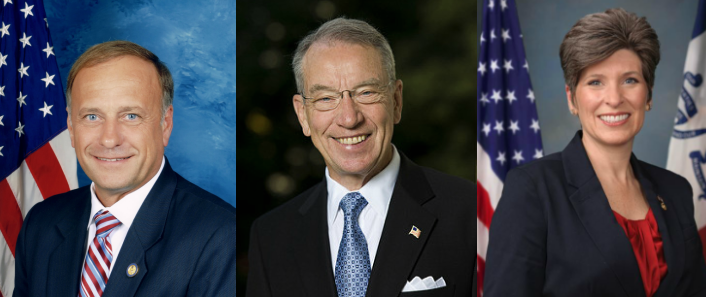
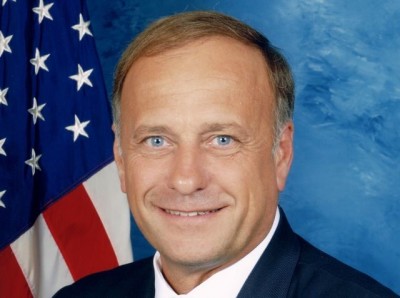
Nine-term U.S. Representative Steve King will face at least one challenger in the 2020 Republican primary to represent Iowa’s fourth Congressional district.

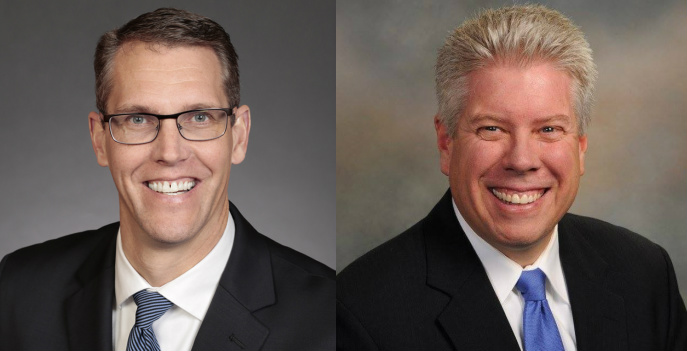
State Senator Randy Feenstra announced his candidacy today, and Story County Supervisor Rick Sanders confirmed to Bleeding Heartland that he is seriously considering the race.

The moves are the clearest sign yet that Iowa’s GOP establishment is tired of King.

Continue Reading...
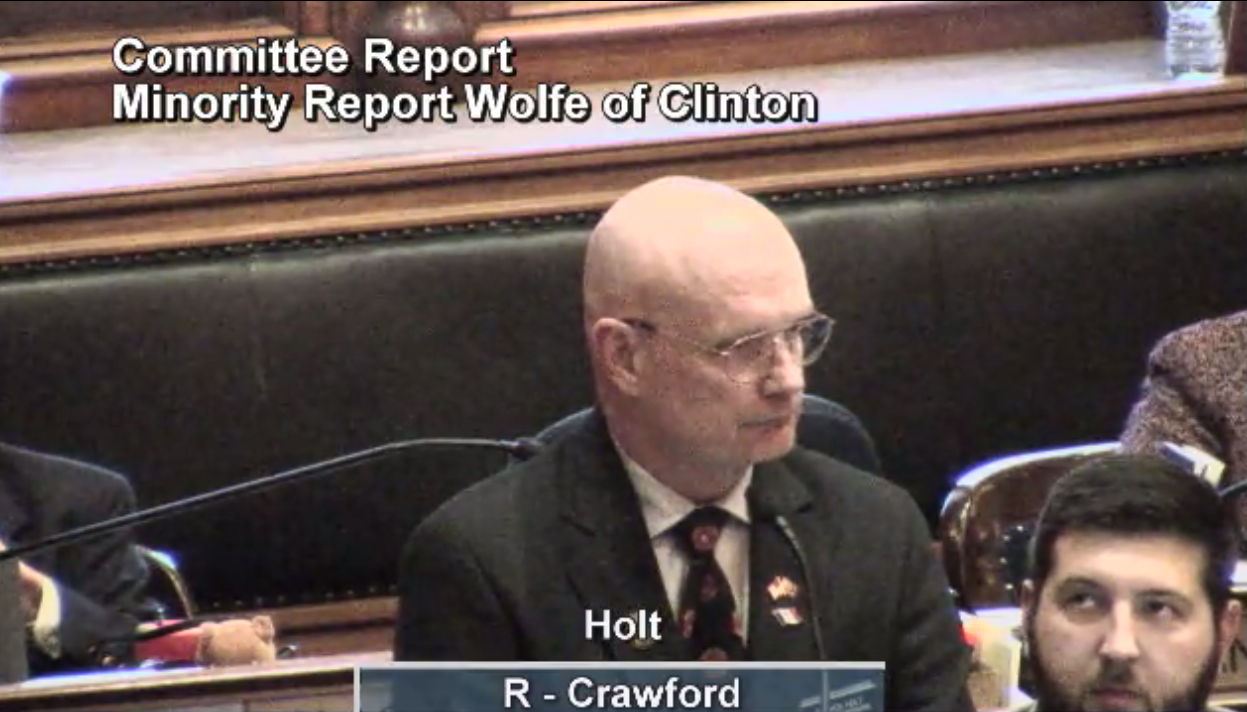
Key GOP lawmaker not interested in limiting state auditor's subpoena power

Republicans in Wisconsin and Michigan responded to recent election losses by limiting the powers of some Democratic statewide officials. GOP lawmakers are rumored to be considering similar legislation in Iowa, where Rob Sand just took office as the first Democrat to serve as state auditor in more than 50 years.

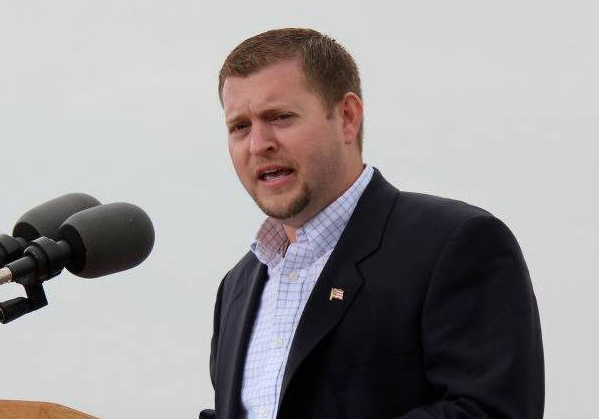
But Republican State Representative Bobby Kaufmann, who chairs the Iowa House State Government Committee, told Bleeding Heartland he has no interest in revoking or curtailing the subpoena power of Sand’s office.

Continue Reading...
History made in U.S. House: How the Iowans voted
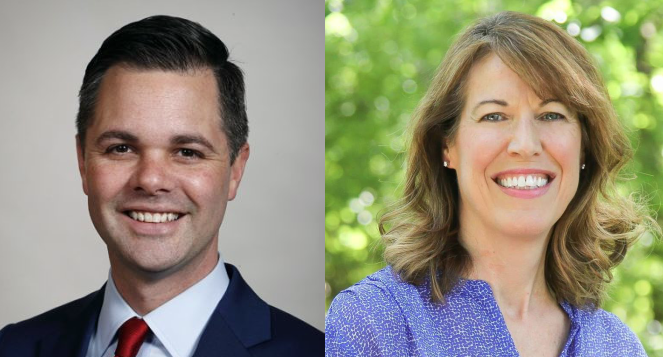
Democratic Representatives Abby Finkenauer (IA-01) and Cindy Axne (IA-03) joined a long list of “firsts” when they were sworn in on January 3. Iowa had never elected a woman to the U.S. House before 2018, but now women make up half of our state’s delegation. The “most diverse Congress in history” includes record numbers of women and members of religious, racial, ethnic, or LGBTQ groups that have not previously represented their states in Washington. Finkenauer also became the second-youngest woman to serve in Congress, after Alexandria Ocasio-Cortez of New York.

The first votes in the 116th Congress involved some drama within the Democratic caucus, but Iowans did not rock the boat.

Continue Reading...