
Governor Kim Reynolds is not planning any changes for Iowa’s main public pension system, she told Iowa reporters today.
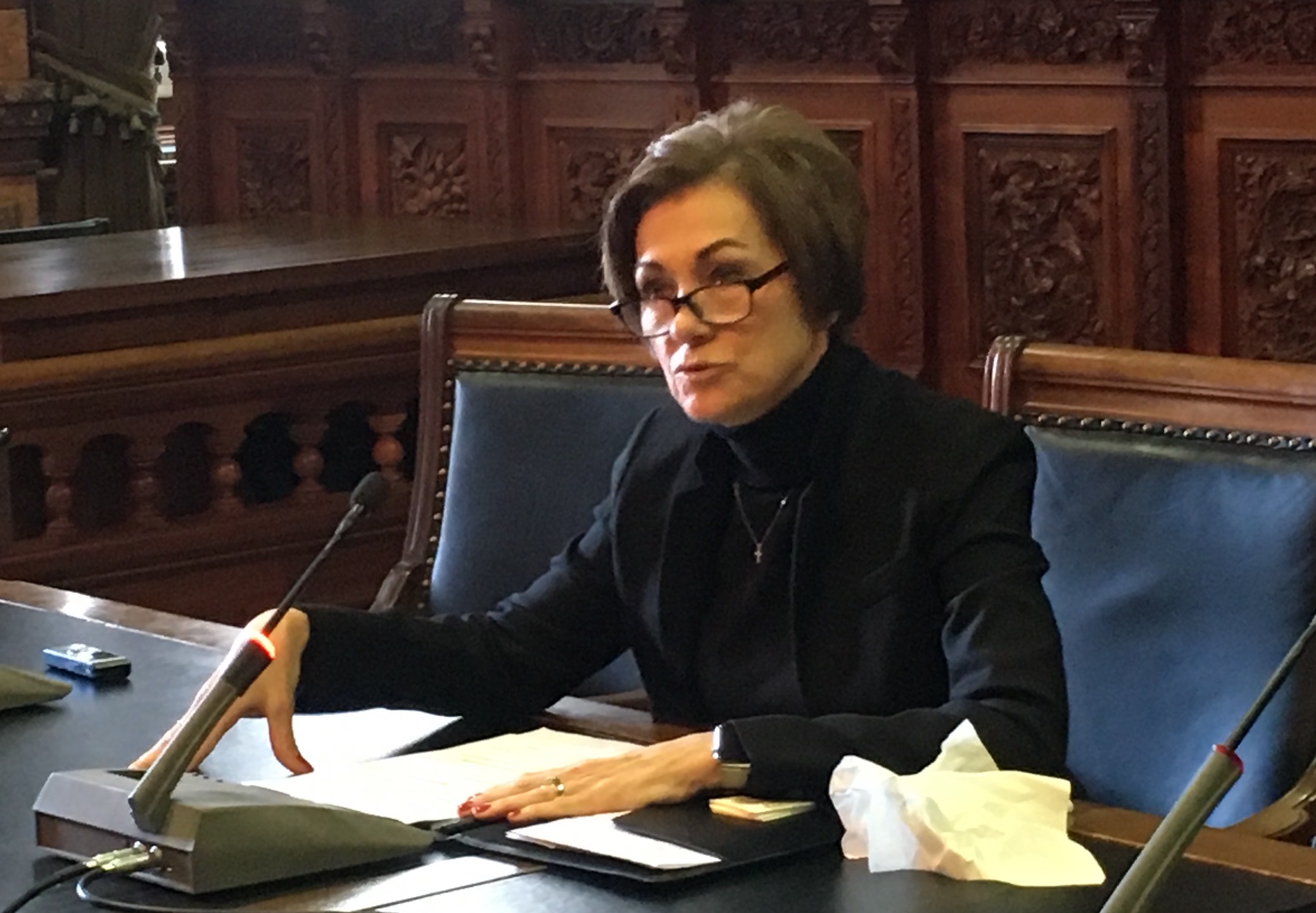
Iowa governor: "I'm not making any changes" to IPERS
- Tuesday, Jan 7 2020
- Laura Belin
- 1 Comment
Governor Kim Reynolds is not planning any changes for Iowa’s main public pension system, she told Iowa reporters today.
Dan Guild on why topline numbers for each candidate are not the most important finding from the latest survey of Iowa caucus-goers. -promoted by Laura Belin
CBS/YouGov ended the Iowa polling drought (the longest drought since 1984) on January 5 with a new poll.
The big news is not the trial heat numbers (23 percent each for Joe Biden, Bernie Sanders, and Pete Buttigieg, 16 percent for Elizabeth Warren, 7 percent for Amy Klobuchar). The big news is that only 31 percent of respondents have definitely made up their minds.
Here is why this matters:
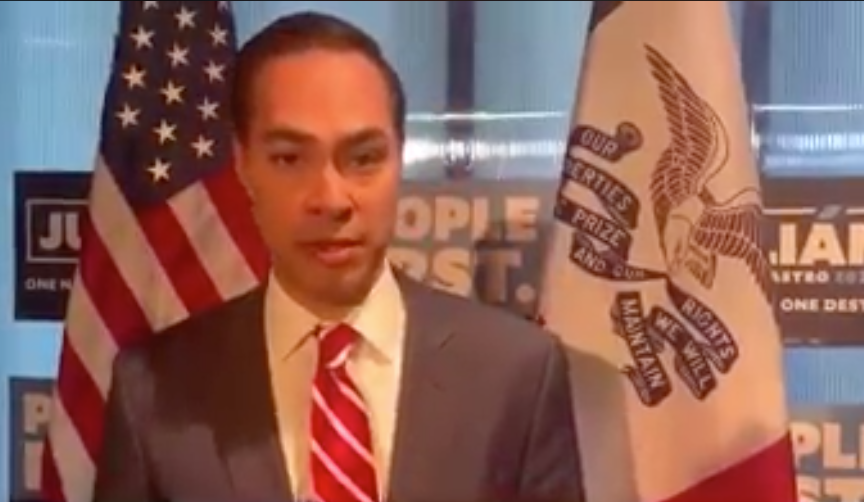
“If you didn’t know anything about this process, and I told you how it was set up, you would think that a right-wing Republican set this process up, because it really makes it harder to vote than it should be,” Julián Castro told a room full of Iowa Democrats at Drake University on December 10.
Castro’s campaign organized the town hall (which I moderated) to highlight problems with the Iowa caucus system and a calendar that starts with two overwhelmingly white states.
Now that Castro has ended his presidential bid, it may be tempting to dismiss his critique as sour grapes from a candidate who wasn’t gaining traction in Iowa.
That would be a mistake. Castro is only the most high-profile messenger for a sentiment that is widespread and growing in Democratic circles nationally.
If Iowa Democrats want to keep our prized position for the next presidential cycle and beyond, we need to acknowledge legitimate concerns about the caucuses and take bigger steps to make the process more accessible.
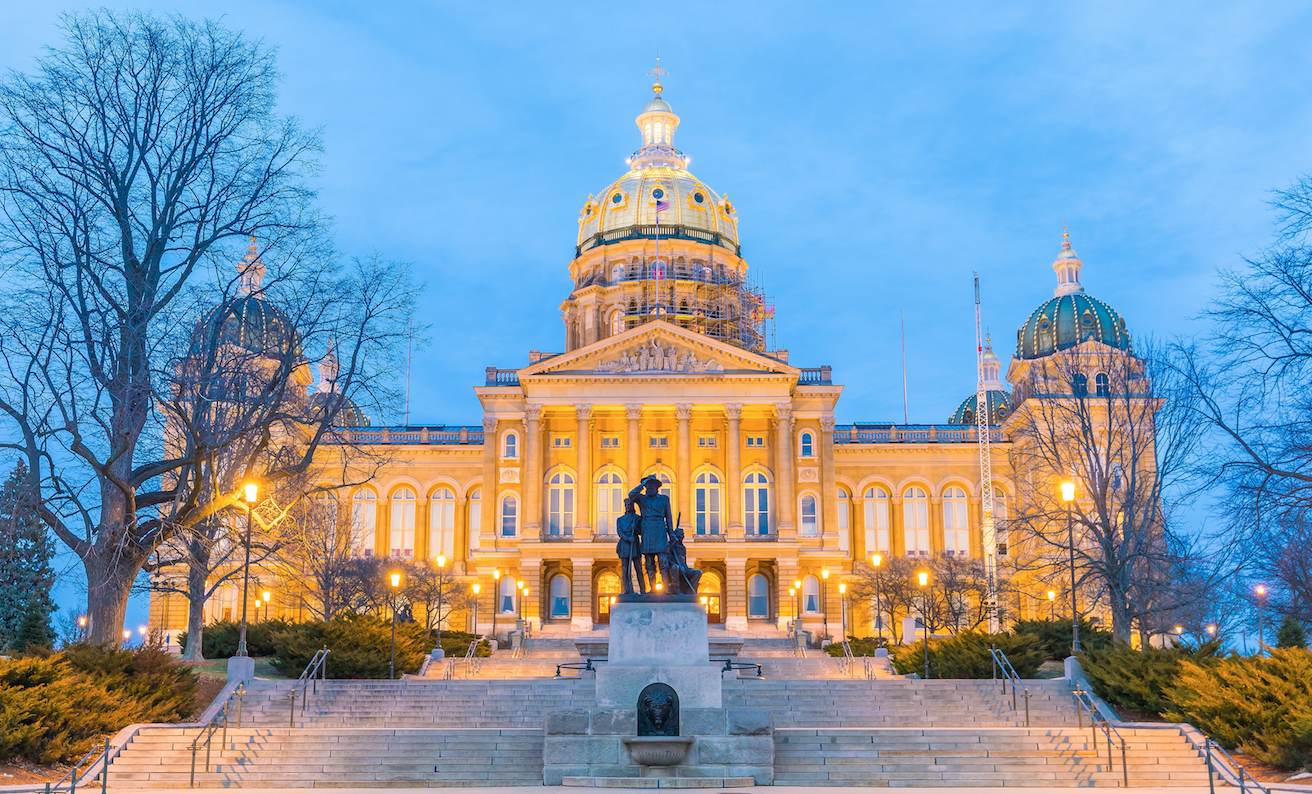
I’ve always enjoyed writing about legislative happenings and campaigns, since my first year on the job as an analyst covering Russian domestic politics during a parliamentary election year.
While most political reporters were understandably assigned to follow the many presidential candidates visiting Iowa in 2019, I made it a priority to keep an eye on down-ballot races. The 2020 Iowa House and Senate elections may affect our daily lives more than whether Donald Trump or the Democratic nominee wins our state’s electoral votes. For one thing, breaking the GOP trifecta is the only way to guarantee that Iowa preserves nonpartisan redistricting for the coming decade.
I’m proud that Bleeding Heartland provided more in-depth coverage of potentially competitive state legislative races than any other Iowa news source this year. All of those stories are linked below.
Continue Reading...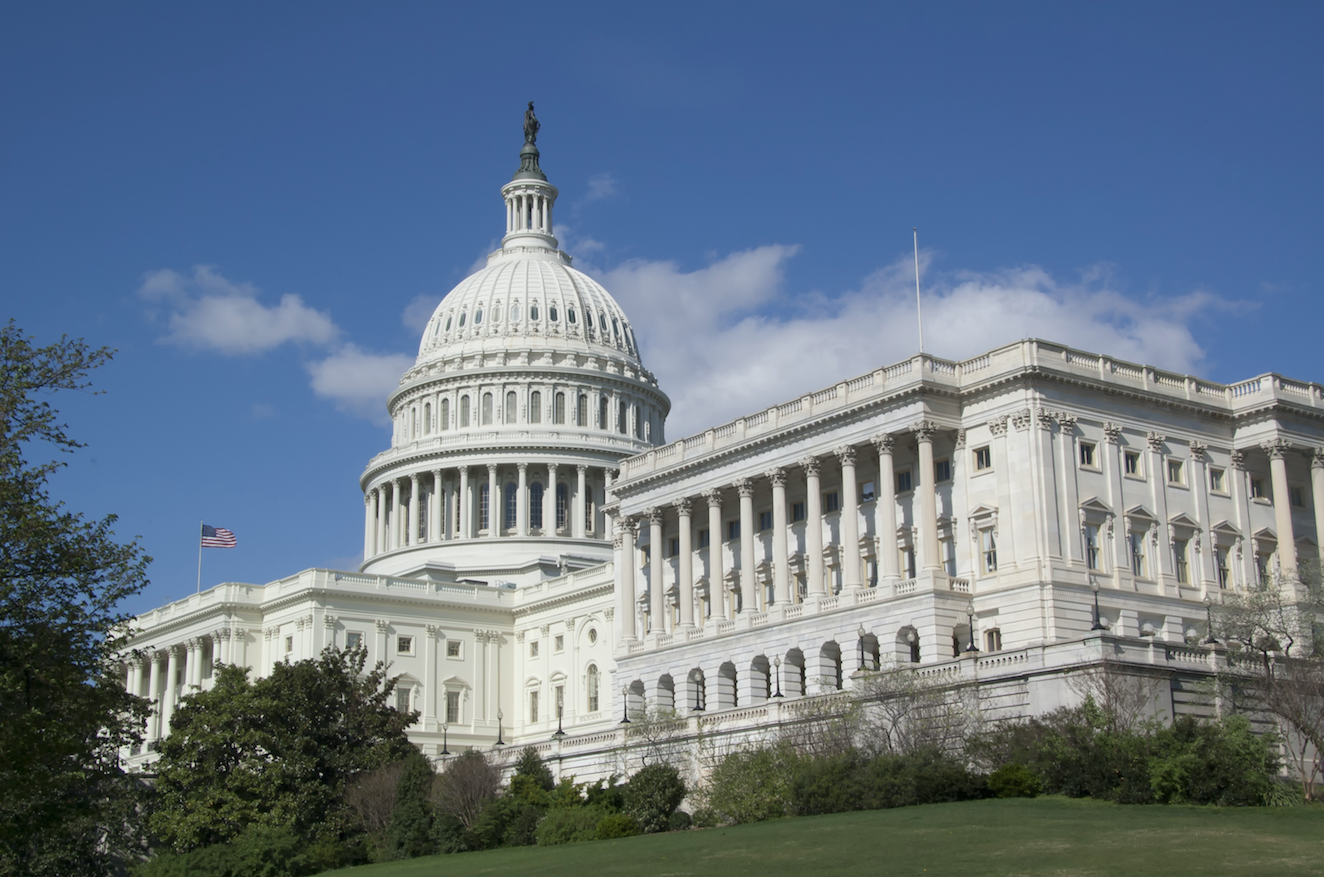
After the wipeout of 2016, I questioned whether Iowa’s top races of 2018 and 2020 would be foregone conclusions for the Republican incumbents. But amid unusually high turnout for a midterm election, Democratic challengers flipped two U.S. House seats and fell only a few points short against Governor Kim Reynolds and Representative Steve King.
One of my goals for 2019 was to provide in-depth reporting on Iowa’s federal and state legislative races. Thanks to our nonpartisan redistricting system, none of our four Congressional districts are considered safe for either party in 2020. While U.S. Senator Joni Ernst is still favored to win a second term, she is increasingly seen as a vulnerable GOP incumbent.
Follow me after the jump for a review of Bleeding Heartland’s coverage of the campaigns for U.S. Senate and House, with links to all relevant posts. A separate post will cover the year’s stories about battleground legislative districts.
Continue Reading...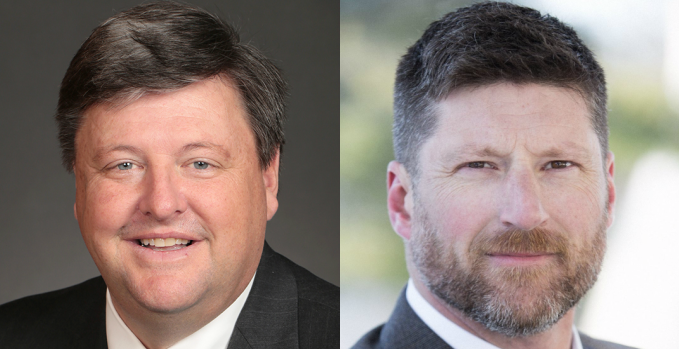
UPDATE: Zumbach confirmed in February 2020 that he will retire. Two candidates will compete for the GOP nomination here: Phil High and Charlie McClintock. Original post follows.
Disclaimer: State Representative Louis Zumbach has not clarified whether he will seek a third term in the Iowa House next year. When I reached him by phone early this month, he said “I haven’t made any decisions yet” on whether to run for re-election to the legislature, for Linn County supervisor, or for no public office in 2020. Zumbach had major heart surgery in May and explained, “I’ve been focusing on my health.”
So there’s a chance House district 95 will be an open seat for the third time this decade. For now, I assume this race will be a rematch of the 2018 campaign, pitting the GOP incumbent against Democrat Christian Andrews.
Continue Reading...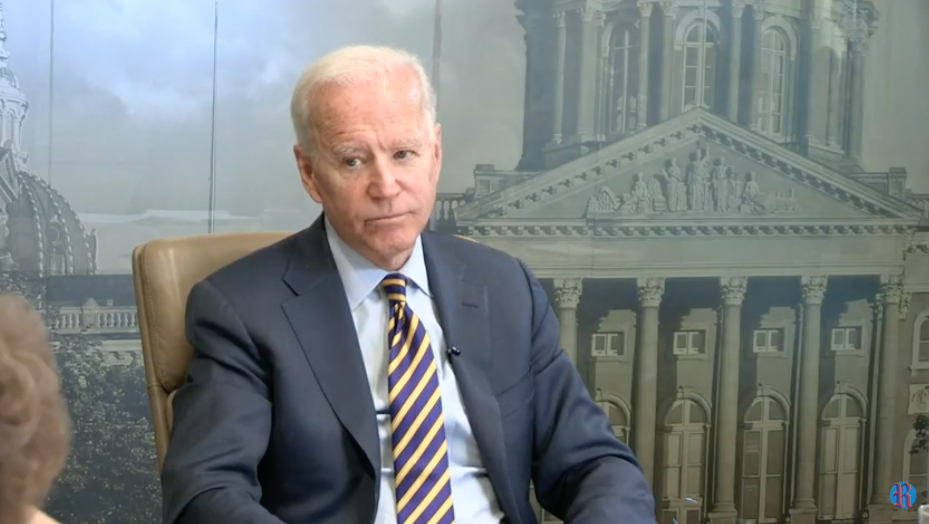
U.S. Senate Democrats are fighting to allow witnesses to be called in the coming impeachment trial of President Donald Trump. Speaker Nancy Pelosi is holding back the articles of impeachment approved by the House, pending agreement on the rules for conducting a Senate trial.
But the front-runner for the Democratic presidential nomination has blown up any leverage they had.
Continue Reading...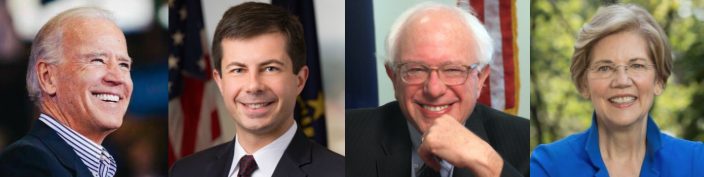
Dan Guild: “Pete Buttigieg has the lead now, but his share of the vote is the lowest in Iowa caucus history for a leader.” -promoted by Laura Belin
We are now 40 days from the Iowa caucuses. I wrote a piece here entitled “Let the buyer REALLY beware” 45 days before the 2016 caucuses. That piece noted that front-runners rarely improve either the final percentage or their margin. This short article follows up on my analysis from 2015.

Exclusive reporting by Marty Ryan on his efforts to hold the Iowa Board of Corrections accountable for failing to follow state law. -promoted by Laura Belin
“You can’t fight city hall,” the saying goes. It means you may get more gratification from beating your head against a wall than from fighting with government bureaucratic processes.
I have fought city hall, but I think I can count the successes on one finger. My recent challenge to secure a win for common sense was beat back last month when the Iowa Public Information Board dismissed the complaint I had filed against the Iowa Board of Corrections in July.
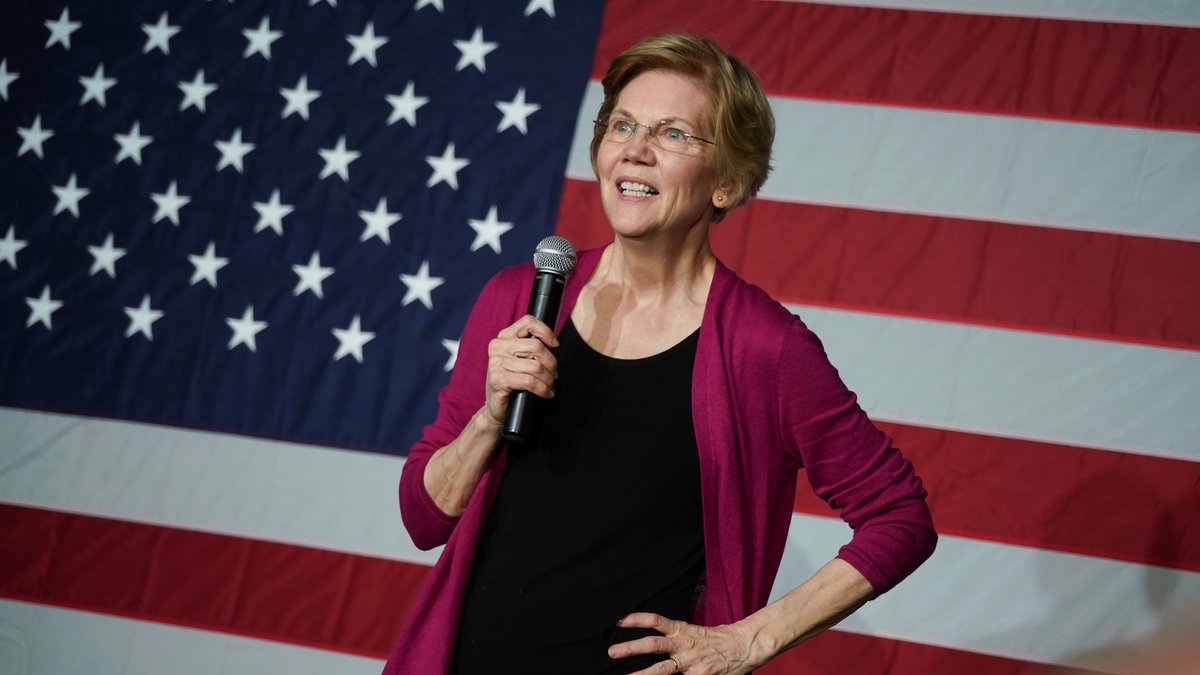
Senator Elizabeth Warren’s numbers have tapered somewhat in polls of the Democratic presidential race nationally and in Iowa over the past two months. But it would be a mistake to conclude she can’t win the Iowa caucuses.
A large share of caucus-goers have yet to commit to a candidate. Warren’s high-profile supporters, including the latest batch, point to factors that will keep her in contention as many Iowans decide over the next 40 days.
Continue Reading...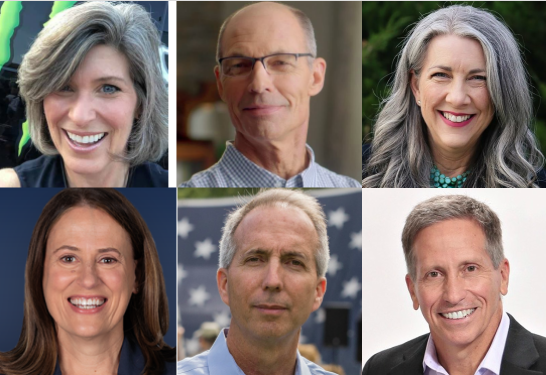
Five Democrats are now competing for the chance to take on U.S. Senator Joni Ernst next November. After making low-key appearances at Democratic events around Iowa for about six months, Cal Woods made his candidacy official on December 17.
Assuming all five candidates file nominating petitions in March, the crowded field increases the chance that no one will win the nomination outright in the June 3 primary.
The U.S. House and Senate managed to wrap up their work for the year without shutting down the government, an improvement on the state of affairs when the fully Republican-controlled Congress left for the winter holiday break in 2018.
The two huge bills contained about $1.4 trillion in spending, which will keep the federal government open through the end of the current fiscal year on September 30, 2020. President Donald Trump signed the legislation.
Continue Reading...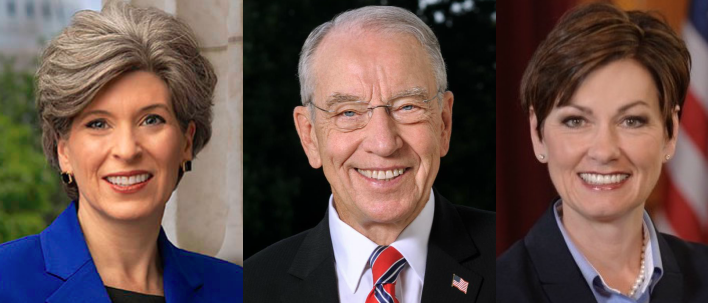
Governor Kim Reynolds and U.S. Senators Chuck Grassley and Joni Ernst praised President Donald Trump in October, when the administration gave assurances corn growers and the ethanol industry would get what they wanted from the Environmental Protection Agency’s 2020 Renewable Fuel Standard (RFS) guidelines. The governor and senators were among Midwest Republicans who had lobbied Trump on the issue in September.
When the final rule released this week didn’t match the promises, biofuels advocates slammed Trump for not keeping his word to farmers. But top Iowa Republicans let the president off the hook by shifting the blame to the EPA.
Continue Reading...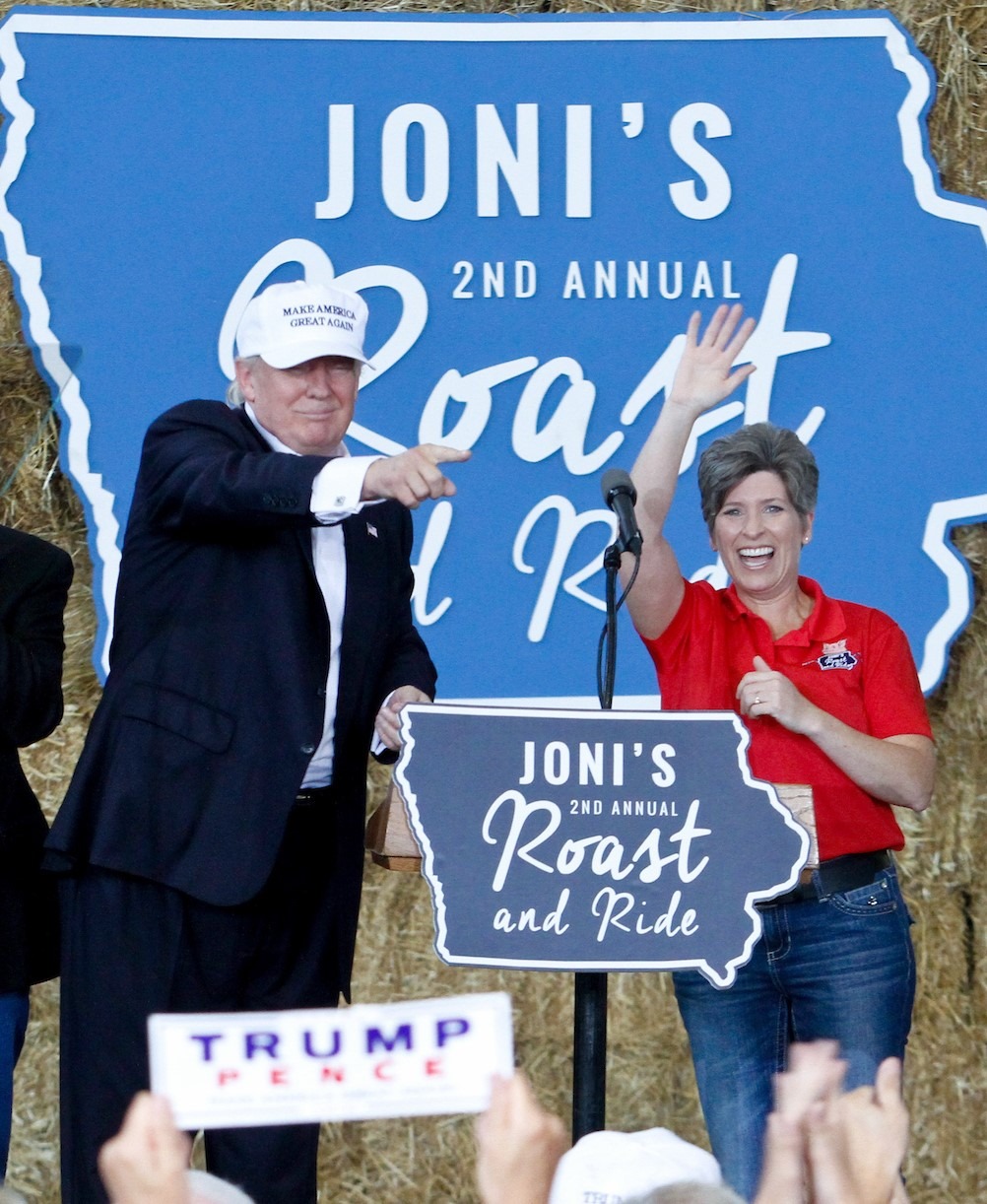
A new poll commissioned by a Democratic-aligned political action committee suggests President Donald Trump and U.S. Senator Joni Ernst are vulnerable in Iowa, which voted for Trump by more than 9 points in 2016 and last turned out a sitting U.S. senator in 1984.
How worried should these Republican incumbents be?
Continue Reading...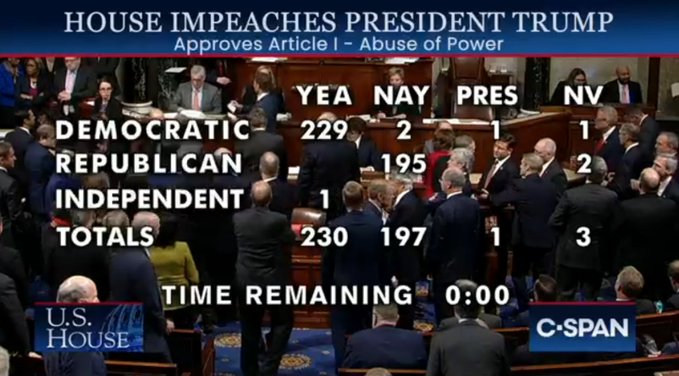
For the third time in U.S. history, the House of Representatives impeached a president. Following nearly ten hours of debate, House members voted 230 to 197 (roll call) to impeach President Donald Trump for abusing his power, and by 229 votes to 198 (roll call) to approve the second article, on Trump’s obstruction of Congress. (Read the full text of the articles here.)
As they had indicated in statements the previous day, Democratic Representatives Abby Finkenauer (IA-01), Dave Loebsack (IA-02), and Cindy Axne (IA-03) voted for both articles of impeachment. None gave a speech during the floor debate. Only two House Democrats voted against the first article, and three voted against the second, while Representative Tulsi Gabbard voted “present” in what she called a “stand for the center.”
No Republicans voted for either article, and Representative Steve King (IA-04) was among many GOP members who thundered against the drive to impeach Trump during the floor debate. I’ve enclosed below the video and transcript of his remarks, along with new statements from Senators Chuck Grassley and Joni Ernst, and comments from some Iowa Congressional candidates. You can read comments released before the House votes here.
House Speaker Nancy Pelosi announced after the impeachment that she won’t immediately refer the articles of impeachment to the U.S. Senate. House leaders hope to influence the Senate to agree to procedures that would allow for a “fair trial.” Senate Majority Leader Mitch McConnell has already said he is working closely with White House counsel and hopes to dispose of the impeachment articles quickly.
Continue Reading...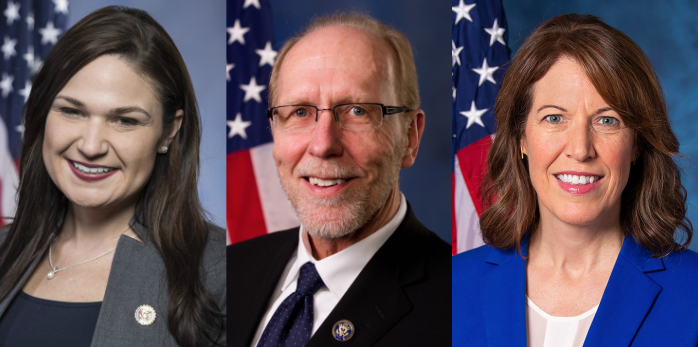
U.S. Representatives Abby Finkenauer (IA-01), Dave Loebsack (IA-02), and Cindy Axne (IA-03) confirmed on December 17 that they will vote for both articles of impeachment, which charge that President Donald Trump abused his power and obstructed Congress. Their support brought the number of House members who will vote for the articles to 217, according to a Washington Post analysis–a bare majority in the chamber.
Finkenauer, Loebsack, and Axne are among 31 House Democrats representing districts Trump carried in 2016. However, Trump’s vote share was below 50 percent in all of their districts; thirteen of their Democratic colleagues represent districts where Trump received a majority of votes.
After the jump I’ve enclosed the full statements released by the Iowans in Congress, along with comments from some of their GOP opponents. I will update this post as needed. Republican Representative Steve King (IA-04) blasted the impeachment drive again last week; Bleeding Heartland published his comments here.
Continue Reading...
The state of Iowa is advertising for a new Department of Transportation director, about a week after Governor Kim Reynolds requested the resignation of current Director Mark Lowe.
Continue Reading...
Des Moines Mayor Frank Cownie won a fifth term earlier this month by the smallest margin of victory in his long political career. He spoke to Bleeding Heartland on December 5 about his takeaways from the results.
Continue Reading...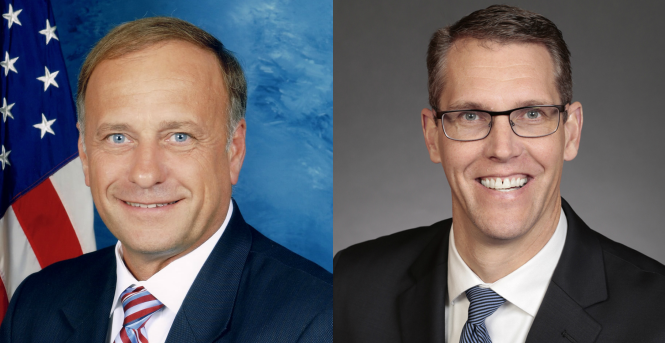
U.S. Representative Steve King has been a loyal defender of President Donald Trump this fall, repeatedly attacking Democrats for pursuing impeachment and even disrupting a House Intelligence Committee hearing in a secure facility.
But he wasn’t able to participate in the House Judiciary Committee’s impeachment hearings, having lost his committee assignments in January.
State Senator Randy Feenstra, the Republican establishment’s favorite among four GOP challengers in Iowa’s fourth Congressional district, seized on the impeachment saga as proof that King can’t do his job well.
Continue Reading...
UPDATE: Carlson announced on February 26 that he will not seek re-election. Original post follows.
Democrats have a solid recruit in one of the Iowa House seats on the second tier of the party’s target list for 2020. Muscatine City Council member Kelcey Brackett announced on December 13 that he will run for House district 91, now represented by three-term Republican Gary Carlson.
Continue Reading...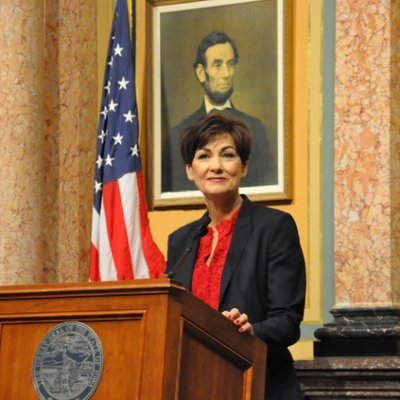
On the same day Kentucky Governor Andy Beshear restored voting rights to some 140,000 constituents who previously committed nonviolent crimes, Governor Kim Reynolds rolled out an incremental step to make it easier for Iowans to regain their voting rights after completing a felony sentence.
It was the fourth time the application process has been simplified in nearly nine years since Governor Terry Branstad restored Iowa’s lifetime ban on voting after a felony conviction.
Although the new policy may marginally increase the number of Iowans who can cast a ballot in 2020, it will leave tens of thousands of Iowans unable to vote for years. It’s not clear the governor’s office will be able to process all of the new applications in time for next year’s general election.
Reynolds could mostly solve this problem in a day. She clings to an unconvincing rationale for not doing so.
Continue Reading...
Residents of low-income communities are more likely to suffer property damage from floods but less likely to be fully compensated for losses and also less likely to benefit from flood mitigation efforts, according to a report the Iowa Policy Project published on December 12.
University of Iowa graduate student Joseph Wilensky wrote “Flooding and Inequity: Policy Responses on the Front Line” (click here for the summary and here for the full text). His focus was on “frontline communities”:
Continue Reading...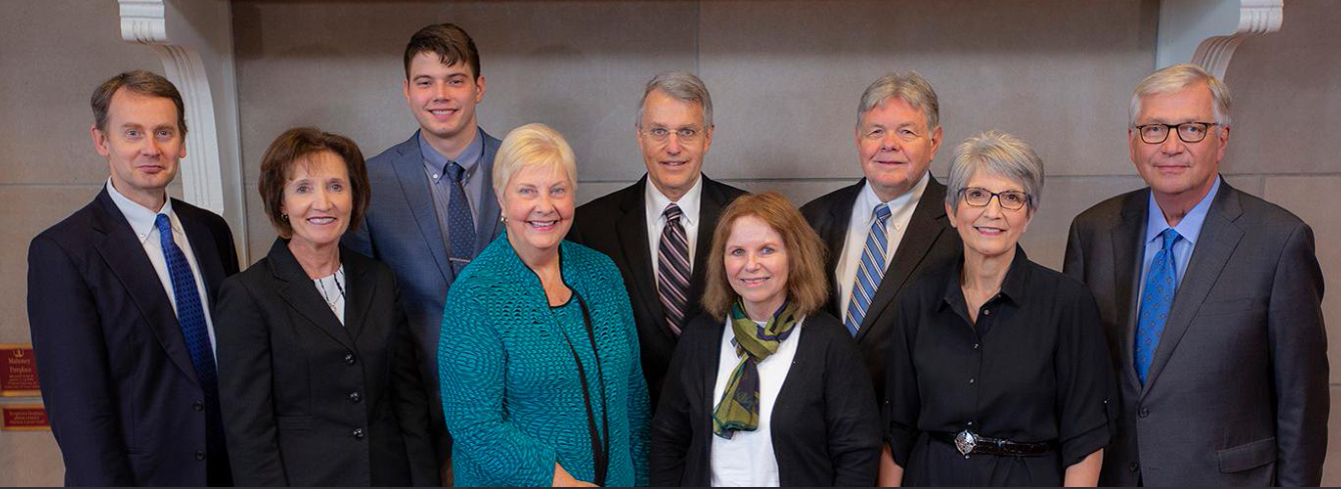
With virtually no public discussion and no opportunity for independent analysis of the complicated financials, the Iowa Board of Regents on December 10 approved a plan to lease the University of Iowa’s utilities for 50 years in exchange for an up-front payment of $1.165 billion.
Governor Kim Reynolds hailed the “historic day for higher education in Iowa.” In an official news release, Regents President Michael Richards praised what he called an “open, inclusive process leading to this agreement.”
Orwellian spin won’t fool anyone. A government board charged with managing public institutions should not have committed the university to such a far-reaching and costly deal without a full airing of the risks and benefits.

Dan Guild examines what presidential contests since 1980 tell us about the impact of the Iowa caucus results on the New Hampshire primary. -promoted by Laura Belin
Candidates are spending millions of dollars in Iowa right now. But do the Iowa caucuses matter? The state doesn’t have many Democratic National Committee delegates and is not that representative of the larger Democratic electorate.
My prediction: if the Iowa caucus results are in line with what current polling suggests, Iowa will matter a lot.
It’s hard to stand out in a historically crowded presidential field, especially when the candidates largely agree on on many issues that matter to Democratic voters.
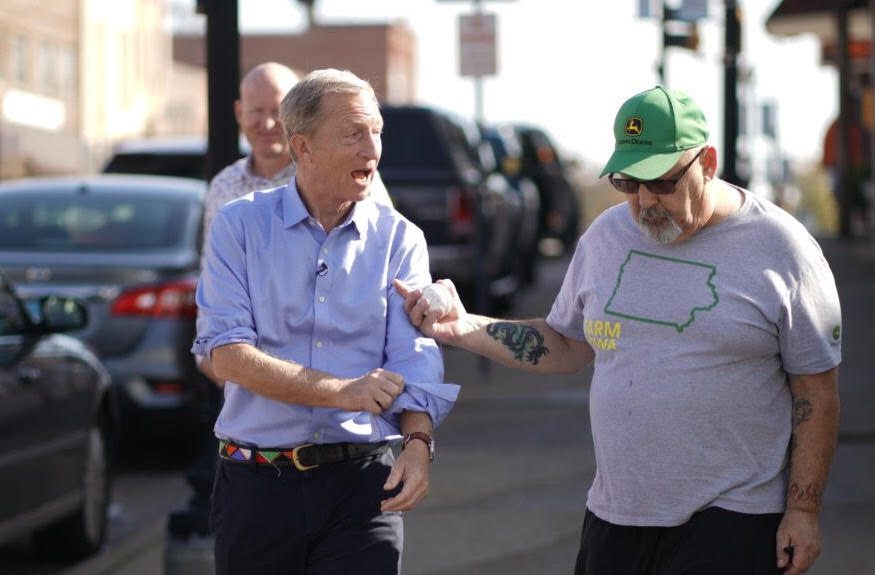
Tom Steyer is the only candidate seeking to establish a “national referendum” to enact some federal policies through 50-state ballot initiatives.
He has made term limits for members of Congress–twelve years total in the U.S. House and Senate–a central part of his political reform agenda. (Andrew Yang also supports term limits but has focused his campaign message elsewhere.)
While several candidates seeking the Democratic nomination have expressed support for impeaching President Donald Trump, no one has highlighted impeachment in more stump speeches and campaign advertisements than Steyer.
Bleeding Heartland interviewed Steyer about those proposals in Des Moines on December 6.

The Iowa Public Employees’ Retirement System (IPERS) posted a job listing for a new chief executive officer on December 9. Staff confirmed longtime CEO Donna Mueller will retire when her current term ends on April 30, 2020.
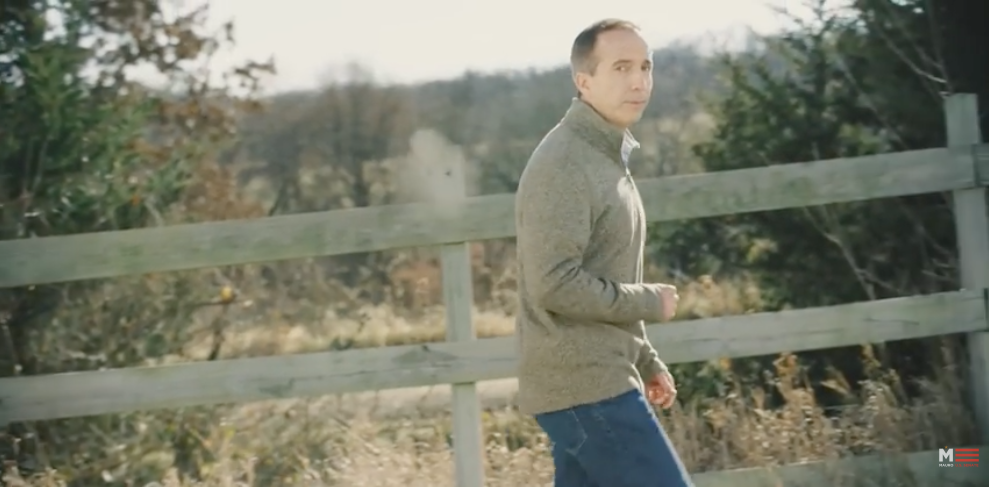
Eddie Mauro was looking for a fight as he became the first Iowa Democratic U.S. Senate candidate to run television commercials this cycle.

U.S. Senator Joni Ernst introduced a potential major donor to one of her campaign’s fundraisers, who later asked that person for a “an investment of $50,000” in a dark money group backing Ernst’s re-election, Brian Slodysko reported for the Associated Press on December 6.
Slodysko’s scoop uncovered what may be illegal coordination between the Ernst campaign and the Iowa Values group, which can accept unlimited contributions without disclosing donors.
It wasn’t the first time Ernst’s campaign ventured into a gray area.
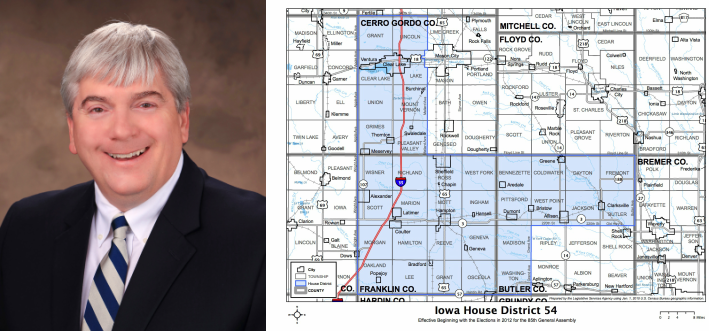
Iowa House district 54 shouldn’t be on the map of competitive 2020 state legislative races. Democrats haven’t fielded a candidate in the district outgoing House Speaker Linda Upmeyer is vacating in any of the last four elections.
However, Republicans are no longer guaranteed to keep this seat in the GOP column.
Clear Lake City Council member Bennett Smith announced on December 5 that he may run for the Iowa House as an independent. Although it’s been nearly a century since anyone with no party affiliation has won an Iowa legislative race, Smith would be a credible candidate.
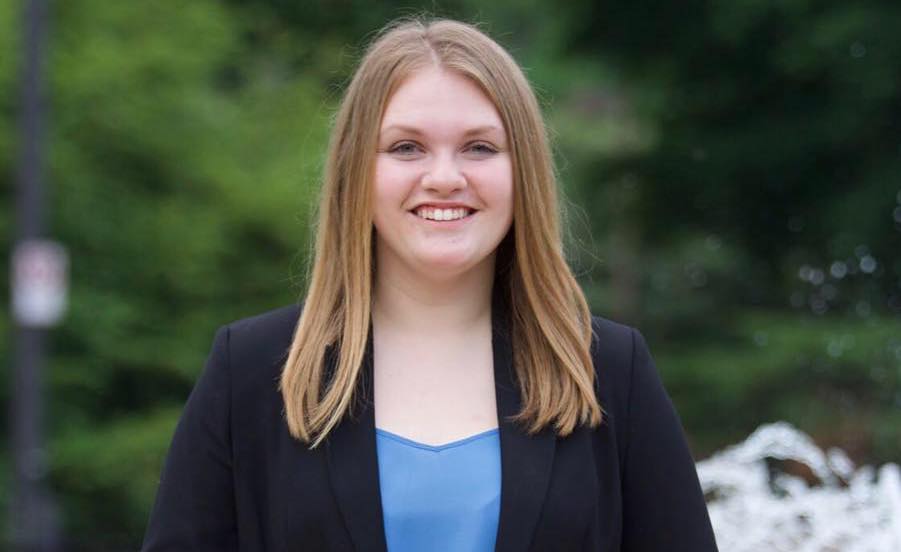
Rachel Junck‘s victory in the Ames City Council Ward 4 runoff election on December 3 was historic in two ways. The 20-year-old engineering major is the youngest second-youngest woman elected to any office in Iowa* and the first female Iowa State University student to win a seat on the council of our state’s seventh-largest city.
The outcome in Ames was also in line with a recent trend: candidates with strong ties in business circles have not performed as well in local elections in larger Iowa communities.
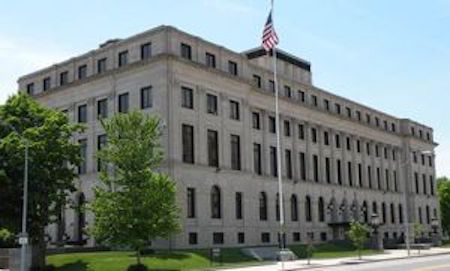
The state of Iowa cannot enforce the latest attempt to discourage and criminalize undercover reporting at livestock facilities. U.S. District Court Senior Judge James Gritzner on December 2 granted a request for a preliminary injunction against a law enacted in March, which prohibits “agricultural production facility trespass.”
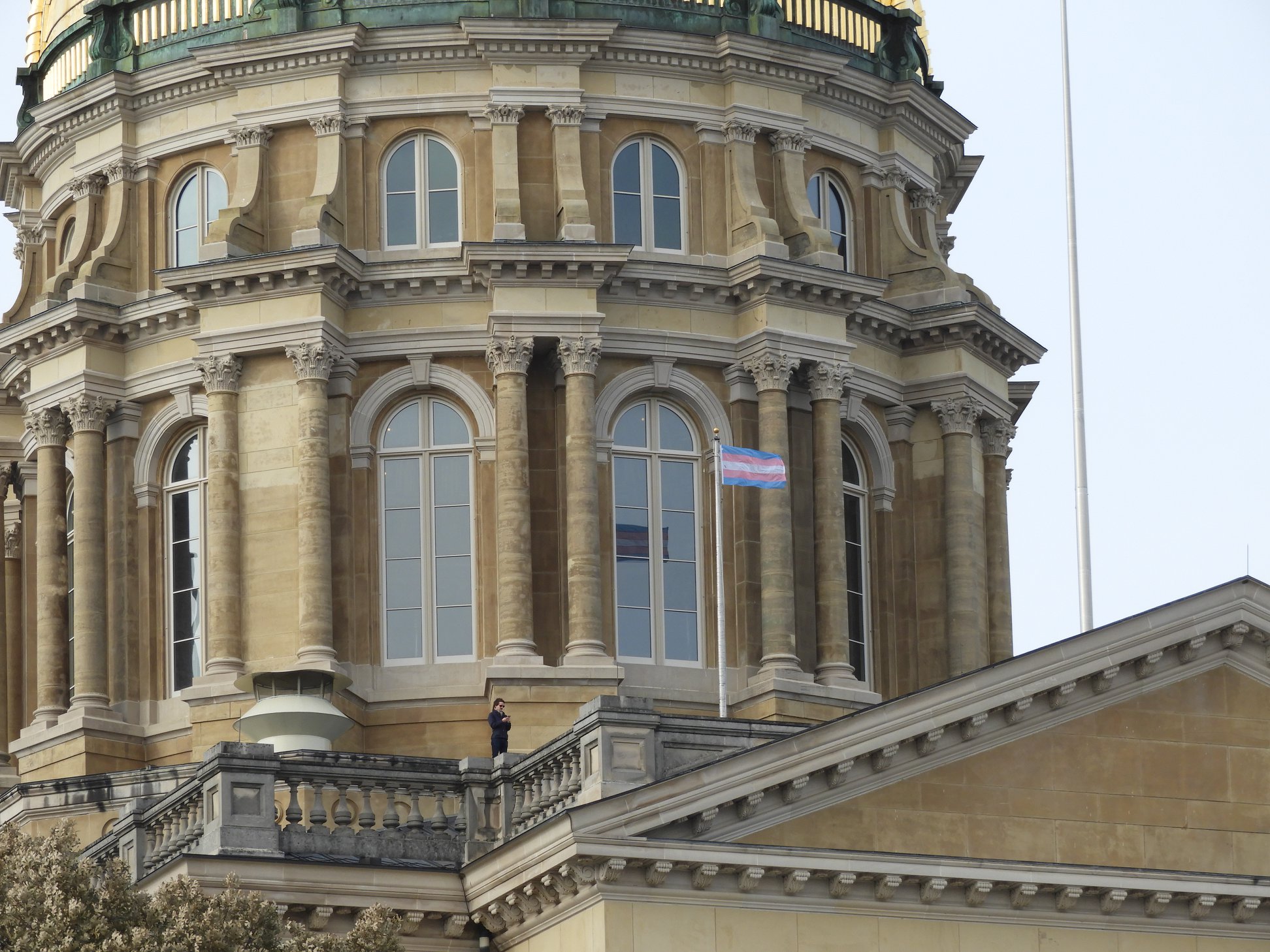
State employees “did not follow the process in place” when they recently approved a request to fly the transgender pride flag above the Capitol building, Iowa Department of Administrative Services spokesperson Tami Wiencek told Bleeding Heartland.
Bleeding Heartland was first to report in June that the Hy-Vee corporation’s political action committee gave $25,000 to the Republican Party of Iowa prior to a fundraiser headlined by President Donald Trump and held at the corporation’s West Des Moines corporate venue. It was the PAC’s largest single recorded contribution.
That story by Gwen Hope received significant public comment online and prompted a press release in which Hy-Vee PAC’s executive director Mary Beth Hart asserted that the donation was “an important opportunity for our CEO to directly provide information about pharmacy-related issues […] to the President and his staff while they were in town.” While the contribution could have been designed to seek political favors from high-ranking Republicans, it also covered most of the Iowa GOP’s rental cost to use Hy-Vee’s facility.
In light of that revelation, some local Democratic groups distanced themselves from the grocery store chain, while others asked the company for contributions to balance the corporation’s Republican-heavy donation history.

Shoppers in the U.S. spent an estimated $160 billion on gift cards in 2018, up from around $90 billion a decade earlier. The holiday season is the peak time for those purchases.
State Treasurer Michael Fitzgerald has warned that much of the value will go to waste. Years ago, his office had a tool to help Iowans recoup the cost of unused gift cards. But state legislators had a different idea.
While testifying before the U.S. House Intelligence Committee on November 21, former National Security Council official Fiona Hill urged Congressional Republicans not to “promote politically driven falsehoods that so clearly advance Russian interests.” She was referring to the idea that “Russia and its security services did not conduct a campaign against our country—and that perhaps, somehow, for some reason, Ukraine did.” Hill added, “This is a fictional narrative that has been perpetrated and propagated by the Russian security services themselves.”
Meanwhile, “American intelligence officials informed senators and their aides in recent weeks that Russia had engaged in a yearslong campaign to essentially frame Ukraine as responsible for Moscow’s own hacking of the 2016 election,” Julian E. Barnes and Matthew Rosenberg reported for the New York Times on November 22, citing three officials familiar with the classified briefing.
Nevertheless, U.S. Senator Chuck Grassley persisted.
As evidence mounts that President Donald Trump abused his power by pressuring Ukraine to boost his domestic political prospects, Grassley has advanced the narrative that Ukrainian government officials interfered in the 2016 election to support Hillary Clinton and undermine Trump.
Ten months after the Des Moines Register revealed that “Iowa’s flawed felon list has been disqualifying legitimate voters for years,” and five months after voting rights advocates warned that “Iowa’s voter list maintenance practices are arbitrary and unlawful,” Secretary of State Paul Pate announced an ambitious plan to clean up the felon database.
“The new steps to ensure the system’s accuracy include a manual review of all 90,000 files,” a November 20 news release announced. The goal is to complete the task before next year’s general election.
Several unanswered questions remain about the plan.
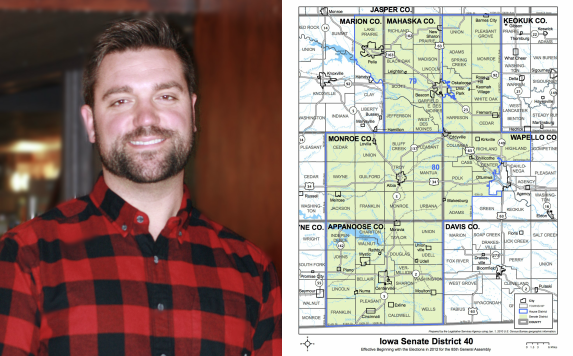
An under-reported Iowa politics story this year has been strong Democratic recruiting for the 2020 state Senate races. Even though recapturing the Iowa Senate is likely to take at least two election cycles, given the current 32-18 Republican majority, Democrats have declared candidates in five out of six Senate seats the party lost in 2016.*
Other Democrats are actively campaigning in three Senate districts that were only nominally contested in 2016.**
As of this week, Democrats also have a challenger in an Iowa Senate district that is so heavily Republican the party did not field a candidate for the last election.
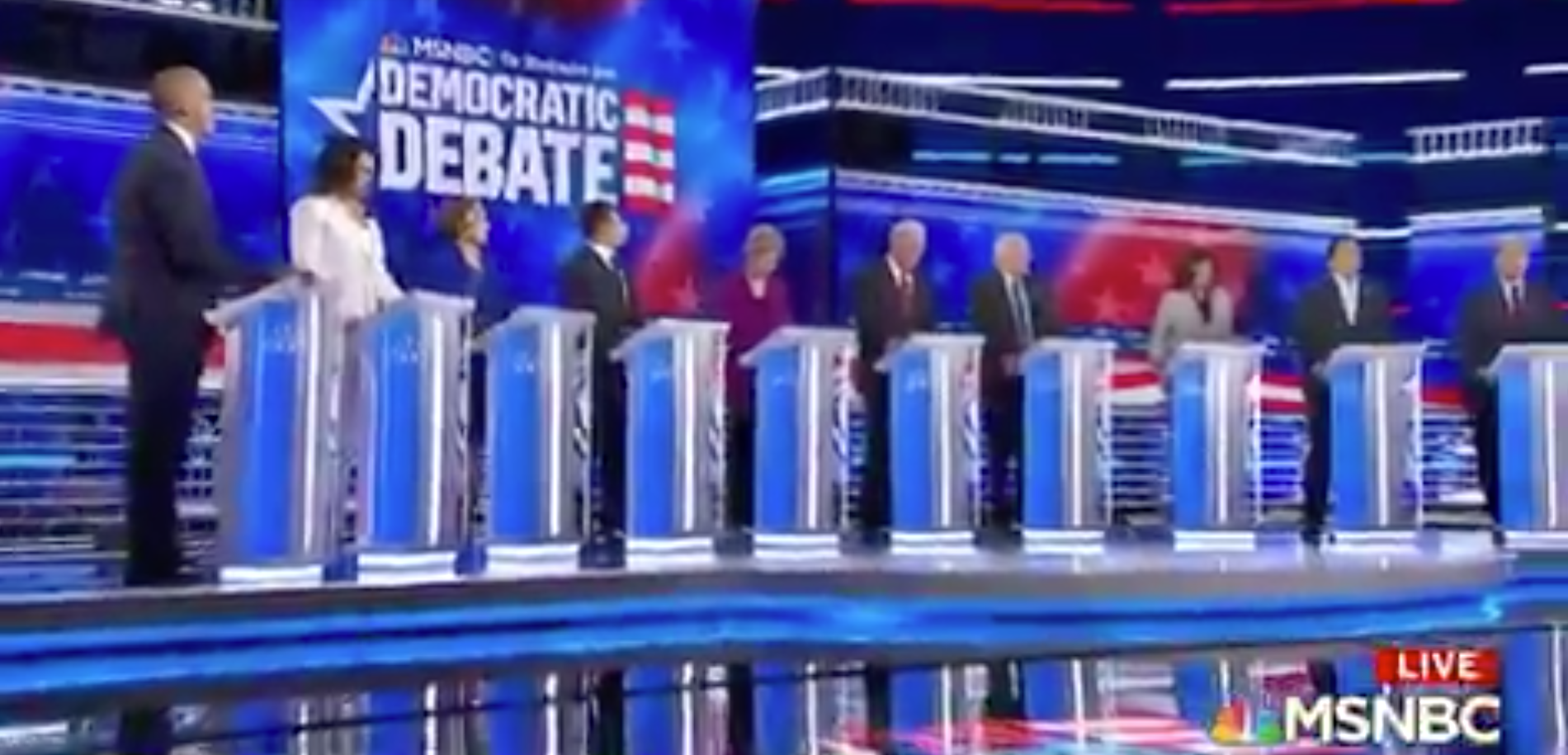
With four presidential contenders packed closely together at the top of the field and a majority of Democratic voters not yet committed to a candidate, televised debates could make or break several campaigns between now and the February 3 Iowa caucuses. As Dan Guild discussed here, debates have fueled breakouts for some lower-polling candidates in past election cycles.
If you missed the fifth Democratic debate on November 20, you can read the full transcript here. My thoughts on the evening in Atlanta:

Three cities in Iowa received the highest possible score for “inclusive municipal laws, policies, and services” for LGBTQ people in the latest report by a leading national advocacy group.

The latest Iowa poll by Selzer & Co for the Des Moines Register, CNN, and Mediacom did what November Des Moines Register polls often do: shake up perceptions of the presidential race.
Buttigieg’s historic rise (I will show how historic in a minute) is stunning. While I am skeptical he is really ahead of everyone else by 9 points–another poll released on November 17 showed him 1 point behind both Bernie Sanders and Joe Biden–the idea that he leads and is well over 20 is believable. But the horse numbers underestimate what Buttigieg has accomplished. He is the best-liked candidate as well as the one being considered by the most voters.